SAVE Act Stalls in Senate as Republicans Fall Short of 60 Votes Needed to Pass Voter ID Bill
The citizenship documentation requirement sailed through the House but cannot overcome a Democratic filibuster — and election officials warn it would disenfranchise millions before the 2026 midterms.
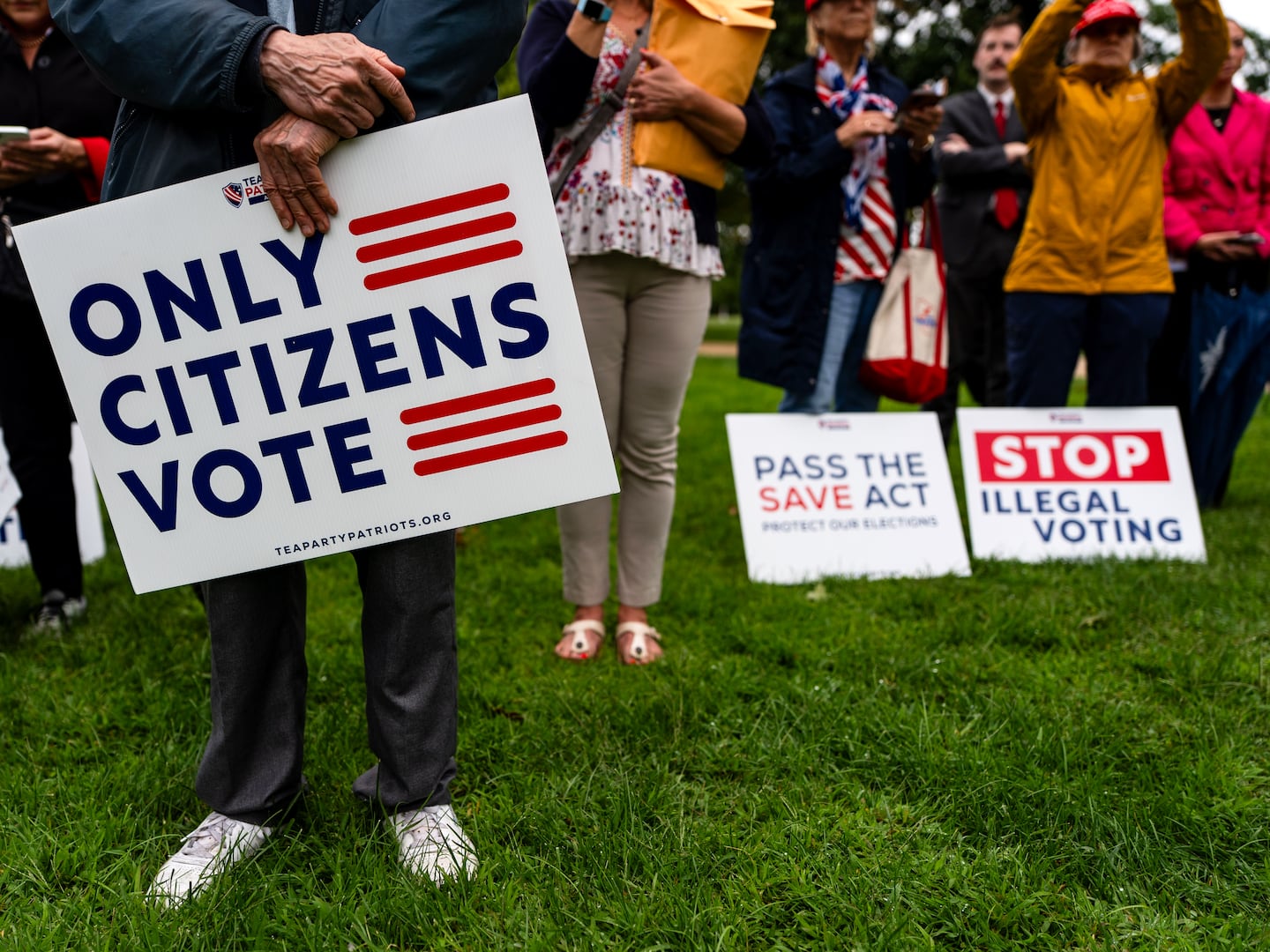
The SAVE America Act — the most sweeping federal voter identification legislation in a generation — has stalled in the U.S. Senate, unable to overcome the 60-vote threshold required to break a Democratic filibuster, as Republicans struggle to find the seven Democratic votes they need to advance the bill. The measure, which would require documentary proof of U.S. citizenship to register to vote and a photo ID to cast ballots in federal elections, passed the House 218-213 in February but has run into a wall in the upper chamber, with the Senate adjourning for a planned recess through April 13 without scheduling a final vote.
The Safeguard American Voter Eligibility Act was championed by President Trump, who called it essential to preventing noncitizen voting — a phenomenon for which little documented evidence exists at meaningful scale. In the 2026 election cycle, election officials have identified only a handful of confirmed noncitizen voter registrations, even as states that already require citizenship documentation, like Kansas, have found themselves turning away tens of thousands of eligible voters who lack the required paperwork. A University of Maryland survey found that 9 percent of voting-age citizens do not have easy access to a document that proves their citizenship, a problem disproportionately affecting low-income Americans, the elderly, and racial minorities.
Senate Majority Leader John Thune of South Dakota has repeatedly declined to pursue a change to filibuster rules to pass the bill with a simple 51-vote majority, telling colleagues there is "plenty of reason" not to pursue such a change given the current vote math. Sen. Susan Collins of Maine became the fiftieth Republican to back the bill, giving it enough GOP support to pass a simple-majority vote — but Thune needs ten senators total to cross the aisle to clear the 60-vote bar. Sen. Lisa Murkowski of Alaska voted against proceeding to the bill, adding to its political difficulties.
Opponents argue the bill would effectively disenfranchise millions of eligible Americans before the 2026 midterm elections. Election officials across the country have warned that the law would impose enormous administrative burdens with insufficient time and funding for implementation. In Kansas, after the state adopted similar citizenship documentation requirements in 2013, 31,089 eligible voters were turned away — equivalent to 12 percent of all registration attempts — while only 39 confirmed noncitizen registrations were found in the previous 14 years. Civil rights groups note the disparity between the law's theoretical justification and its practical effects.
The bill has also run into complications tied to the Department of Homeland Security funding negotiations. Progress on a final vote has been hindered by entangled negotiations over DHS appropriations that have consumed legislative bandwidth alongside the Iran war and the ongoing Epstein controversy. The Connecticut Citizen Action Group and multiple similar organizations have filed formal legal challenges preemptively, arguing the citizenship documentation requirement has no basis in the Constitution's Article I elections clause and would impose a poll tax-like burden on lawful voters.
The bill's fate in the Senate leaves Trump in a familiar position: advancing politically popular messaging on immigration and elections while facing the structural limits of a legislative process that does not bend easily to presidential pressure. For Democrats, blocking the SAVE Act is a top organizational priority ahead of the midterms, with voting rights groups mobilizing around the issue in ways that party strategists say could significantly boost turnout in competitive districts. Whether Congress returns from recess next week with a deal to force the bill forward — or formally sets it aside — will be one of the first legislative tests of the spring session.