The U.S. Bombed Southern Iran Overnight
Tehran Says a Wedding Was Hit and Fired Back at Bases in Four Countries.
Iranian officials say American strikes killed civilians at a wedding celebration in Sirik county and wounded dozens more. Within hours the Revolutionary Guard launched missiles and drones at U.S. positions in Iraq, Jordan, Kuwait and the Emirates.

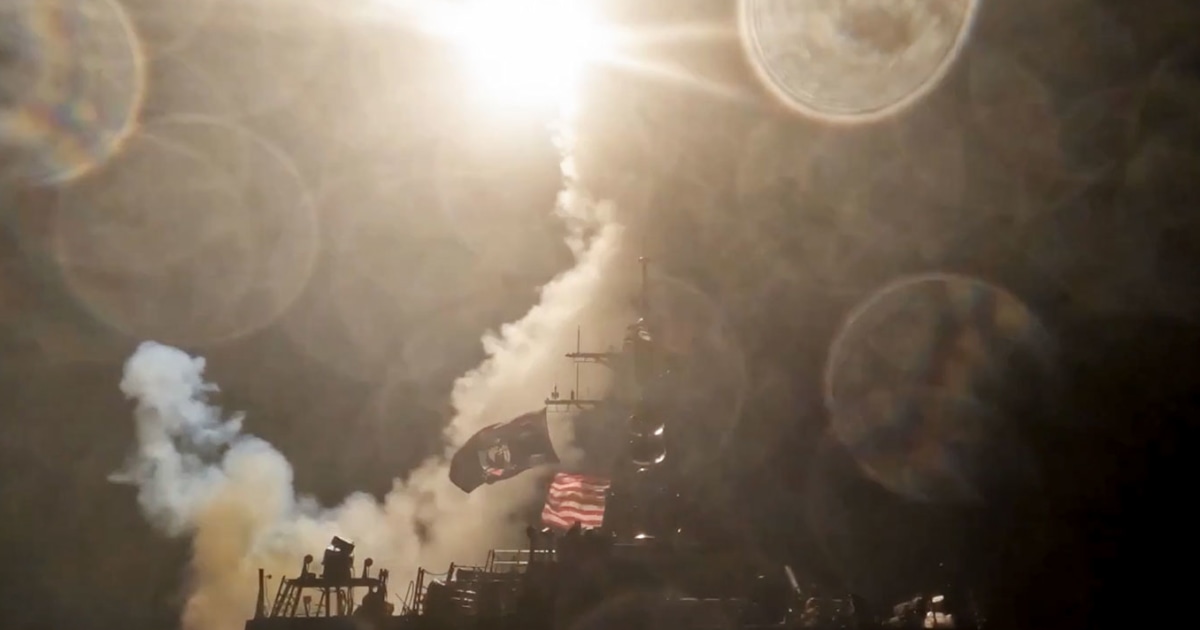
American warplanes and missiles struck targets across southern Iran early Wednesday, and Iranian officials say one of them landed on a house in the middle of a wedding celebration.
The strike hit a residence in Kuhestak, in Sirik county on the Gulf of Oman coast, in the pre-dawn hours. Iran's Foreign Ministry said civilians including children were killed and called the attack "brutal." The governor of Sirik county said 63 people were wounded, and that about 50 of them were women and children. Iranian state media put the nationwide death toll from the overnight wave at 11. The Iranian Red Crescent Society sent a letter to the International Criminal Court asking prosecutors to investigate the strike on the wedding venue. A Foreign Ministry spokesman framed the whole campaign around it: "The truth of this unlawful war of choice," he said, "is in Sirik, where a wedding ceremony was brutally bombed."
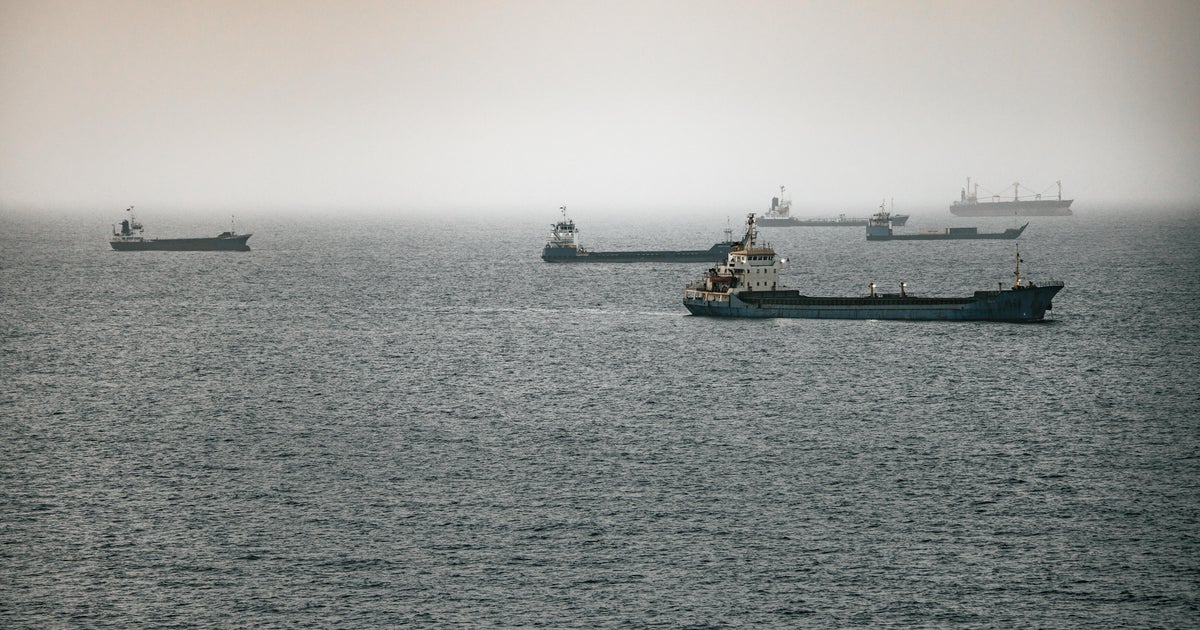
U.S. Central Command disputed the account. A spokesperson said the command was aware of the reports but noted they "originated from Iranian state media," and U.S. officials said the overnight targets were Iranian air defense batteries, radar installations and maritime assets along the coast. President Donald Trump said the strikes were retaliation for Iranian attempts to lay sea mines near the Strait of Hormuz and for weekend attacks on American service members, and he warned that the next round would be heavier.
Iran answered within hours. The Islamic Revolutionary Guard Corps said it carried out a combined missile and drone attack on American facilities in Erbil province in northern Iraq, claiming it destroyed repair centers, warehouses and surveillance systems. It also said it hit the Ali Al Salem air base in Kuwait and the al-Dhafra and al-Minhad bases in the United Arab Emirates, along with U.S. assets in Jordan and Bahrain. Kuwaiti authorities reported a fire in a residential complex after intercepting incoming drones. Iranian commanders claimed a large number of American casualties at the base in Jordan. U.S. officials said there were none.
The military exchange is running alongside an economic one. Treasury Secretary Scott Bessent said new sanctions on an Iranian bank were likely this week, with the department also targeting aircraft leasing companies and entities tied to the Revolutionary Guard. Bessent said allied governments had signed on to a plan to "economically asphyxiate" the Iranian economy. The administration has also approved what officials describe as a tanker-for-tanker policy, seizing two Iranian government tankers in response to Iranian interference with commercial shipping.
Allied patience is not unlimited. At the G20, several governments told American counterparts they were unhappy with what the war has done to energy prices and shipping insurance in the Gulf. France announced that the U.N. Security Council will vote this month on renewing the panel that monitors Iran sanctions. Meanwhile Russian President Vladimir Putin, speaking Tuesday, pledged continued support for Tehran, and a Financial Times investigation reported that a covert Russian program has been helping Iran develop supersonic cruise missiles since 2023.