Six Things to Watch on Election Night, From Texas Latinos to Detroit's Wayne County
NPR's Domenico Montanaro says Indiana and Kentucky House races in the 6 p.m. hour offer the first clues about turnout, and Democrats need Black voters in Michigan.
With control of Congress at stake, NPR's Domenico Montanaro has laid out six signals that could show early Tuesday night which party is headed for a strong night. The first results arrive in the 6 p.m. ET hour from Indiana and Kentucky, with most Florida House races reporting at 7 p.m. and statewide Florida contests unlikely to be called before 8 p.m.
The early tell, Montanaro writes, is a handful of House seats: Indiana's 5th, Kentucky's 6th and Florida's 22nd and 27th. The first two are Republican-held and more competitive than they were at the start of the cycle. If they are close or tipping to Democrats, it could signal low Republican turnout and a bigger Democratic wave. Florida's 22nd is held by a Democrat but was redrawn to favor Republicans, and Donald Trump won the heavily Latino 27th by double digits, making it a gauge of how that group votes.
Second is independents. In the Trump era, Republicans have done well when they win at least 46 percent of independent voters and lost when they have not, Montanaro writes. Third is Black turnout in Michigan, where the Senate race between Democrat Abdul El-Sayed and Republican Mike Rogers could decide the chamber. If Republicans flip Michigan, Democrats would need to win five Republican-held seats rather than four. Democrats have generally needed 68 percent or more in Wayne County, home to Detroit, to carry the state; Elissa Slotkin won it with 63 percent in 2024 by running up the score in the suburbs.
Fourth is the margin among voters 18 to 29. Their turnout falls from 43 percent in presidential years to 21 percent in midterms, but Democrats generally do well when they win the group by more than 20 points. In 2022 they won it by 28 points and still lost the House while gaining a Senate seat.
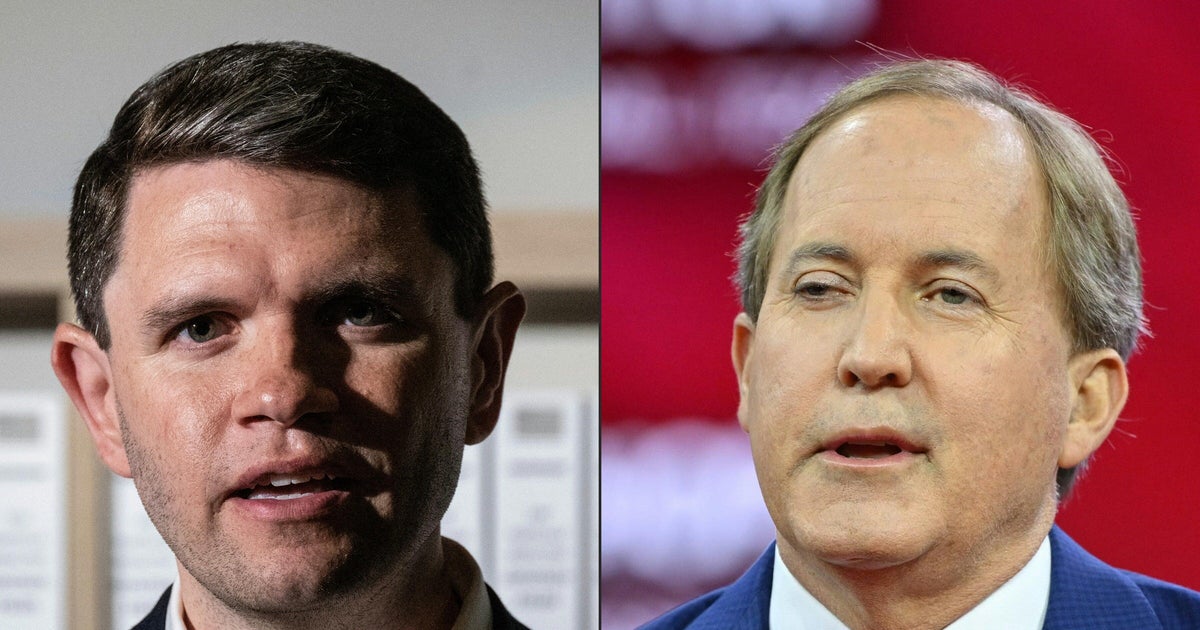
Fifth is Texas, where Democrat James Talarico is within the margin of error in polling averages. No Democrat has won statewide there since 1994. Montanaro says to watch the gap between Gov. Greg Abbott's and Attorney General Ken Paxton's vote totals. In 2018, Ted Cruz got about 400,000 fewer votes than Abbott yet still won by more than 200,000. Talarico also needs to beat Beto O'Rourke's 2018 showing among Latinos, who were 26 percent of the electorate and gave O'Rourke 64 percent, and win big in South Texas counties such as Hidalgo, Webb, Cameron and Nueces.
Sixth is party identification. The share of voters calling themselves Democrats fell to 31 percent in 2024, the lowest in the series, and Democrats will probably need a number well above that. The latest NPR poll found Democrats among the most enthusiastic, and 53 percent of likely voters strongly disapprove of Trump's job performance. Montanaro also points to Michigan's Senate race and the state's 7th Congressional District, where progressive Democrats are running in purple territory, as early tests of the party's ideological direction ahead of the 2028 presidential primary.