Grocery Prices Jump Most in Nearly Four Years as Iran War Drives Food Costs Higher
"Food at home" category rose 0.7% in April after warnings that Iran conflict would drive up U.S. food prices through higher energy and transportation costs.
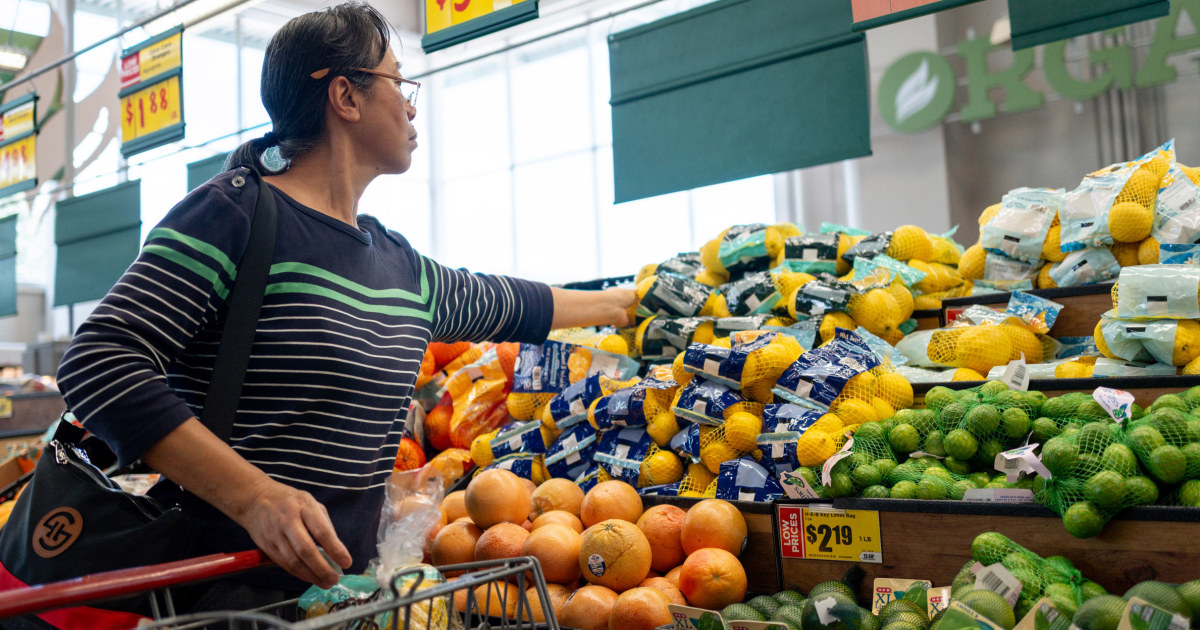
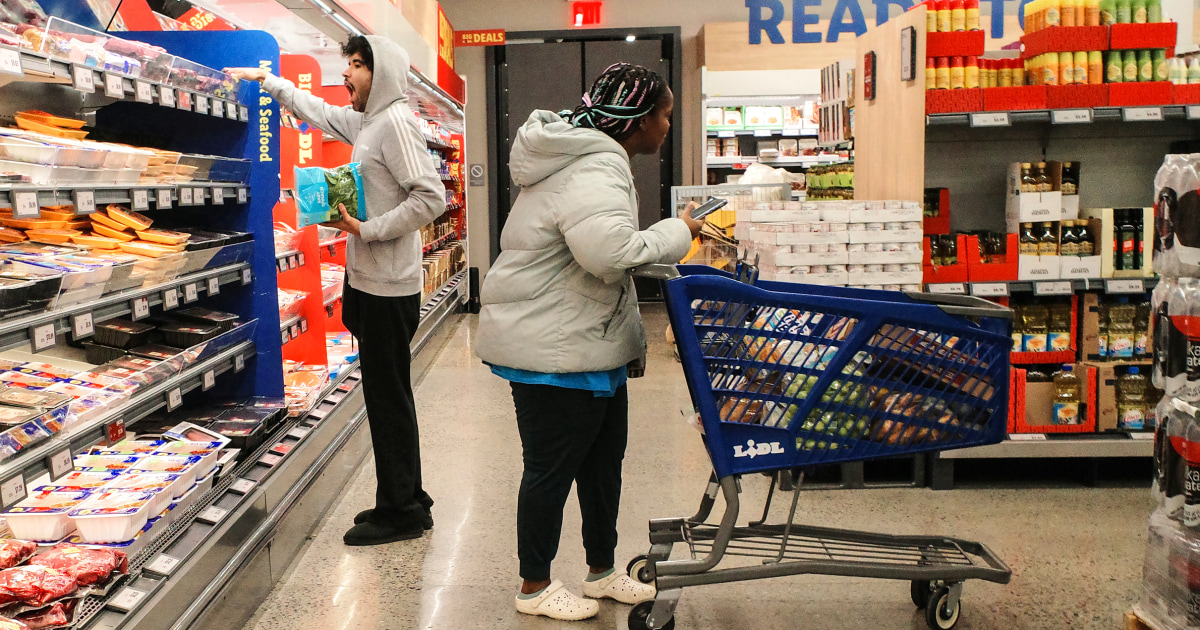
Grocery prices surged in April at the fastest pace in nearly four years, confirming economists' warnings that the Iran war would create significant ripple effects throughout the U.S. food system. Data released by the Bureau of Labor Statistics showed that "food at home" prices, which track grocery store purchases, increased 0.7% during the month, marking the steepest single-month increase since May 2022. The sharp rise reflects the cascading impact of higher energy costs on farming, food processing, and transportation networks that move products from farms to supermarket shelves across the country.
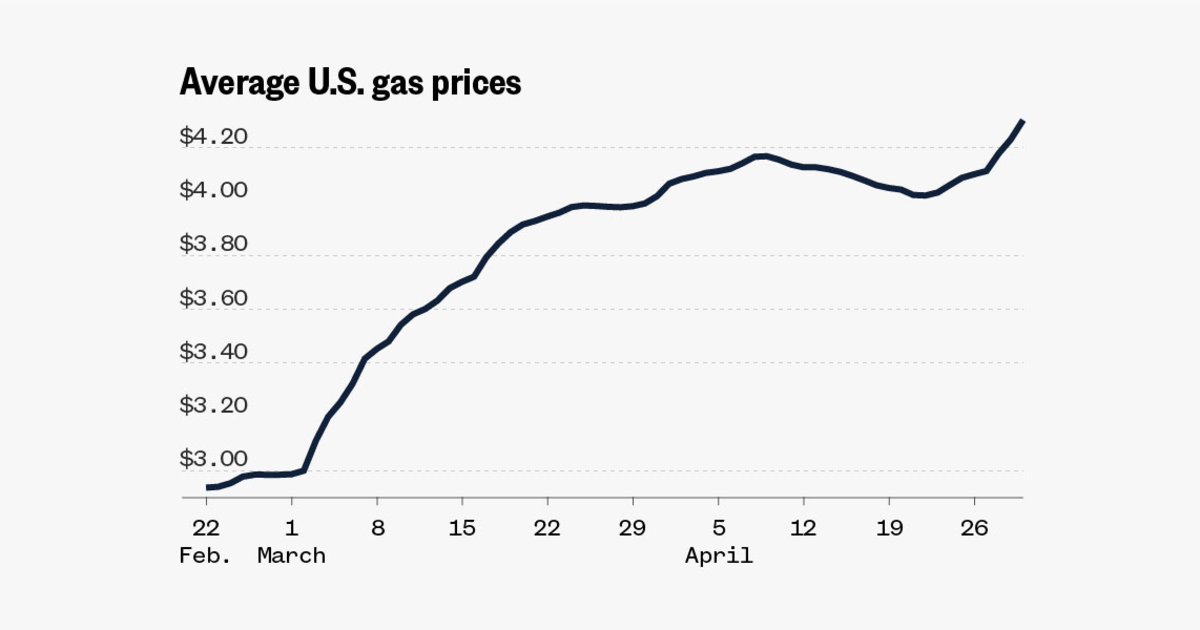
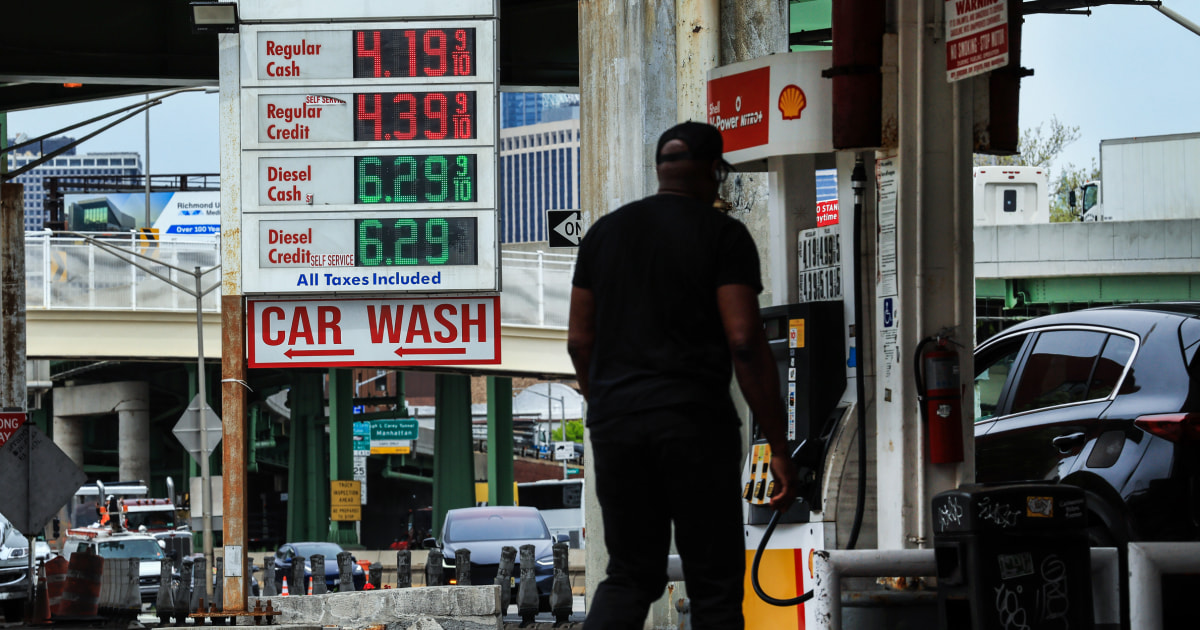
The price acceleration comes as the Iran conflict has driven up oil and gasoline costs, creating additional expenses for every stage of the food supply chain. Farmers face higher costs for diesel fuel needed to operate tractors and irrigation systems, while food processors must absorb increased energy bills for refrigeration and manufacturing operations. Transportation companies that move food products across long distances have seen their operating costs rise substantially due to higher diesel prices, expenses that are ultimately passed on to consumers through higher grocery prices.
Economists had predicted that food price inflation would accelerate as the Iran war continued, but the magnitude of April's increase exceeded many forecasts. The 0.7% monthly gain translates to an annualized rate of more than 8%, well above the Federal Reserve's inflation targets and significantly higher than the modest food price increases seen in recent months. Industry analysts warn that the full impact of energy cost increases may not yet be reflected in grocery prices, suggesting additional food inflation could be ahead.
The grocery price surge affects household budgets most severely for lower-income families, who typically spend a higher percentage of their income on food compared to wealthier households. Consumer advocacy groups have expressed concern that rising food costs could force families to reduce nutritional quality or quantity of their purchases, potentially creating food security issues. The situation is particularly challenging for families already struggling with housing costs and other essential expenses.
Retail industry executives report that suppliers have been implementing multiple price increases throughout the supply chain, with some companies announcing plans for additional adjustments in coming months. Major grocery chains have indicated they expect continued pressure on food prices as long as energy costs remain elevated due to the Iran conflict. The situation has prompted some congressional lawmakers to call for investigations into potential price gouging, though industry representatives maintain that increases reflect legitimate cost pressures rather than opportunistic pricing.