Trump's Approval Rating Plummets to Historic Low as Iran War Economic Impact Spreads
President faces mounting political backlash as conflict's costs ripple through American households, driving up prices on everyday goods including condoms.

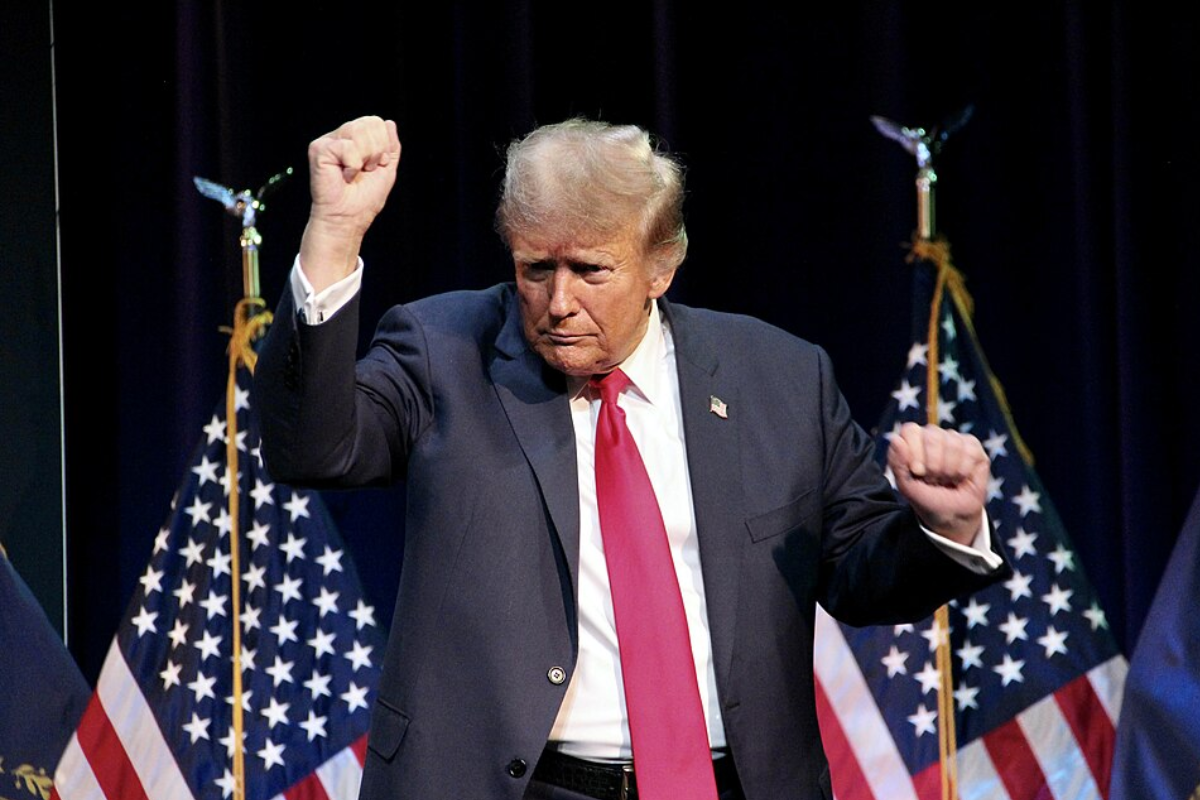
President Donald Trump's approval rating has fallen to its lowest point since taking office, as the ongoing Iran conflict continues to extract a heavy toll on the American economy and household budgets. The war's far-reaching economic consequences have begun affecting unexpected sectors of consumer goods, with even basic items like condoms seeing price increases due to supply chain disruptions and material shortages caused by the conflict.
The economic pressures from the prolonged military engagement in the Middle East have created a cascade of cost increases that are now reaching American consumers in their daily lives. Supply chain experts point to the war's impact on global shipping routes, particularly through the volatile Strait of Hormuz, as a key factor driving up transportation costs for goods ranging from medical supplies to consumer products. These increased costs are being passed directly to consumers, creating additional financial strain on families already dealing with inflation concerns.
Political analysts suggest that the president's declining approval numbers reflect growing public frustration with both the war's duration and its mounting domestic costs. The conflict, which initially enjoyed broader public support, has now stretched on longer than many Americans anticipated, with no clear resolution in sight. The administration has struggled to articulate a clear exit strategy while simultaneously managing the complex diplomatic and military challenges in the region.
The timing of this approval rating decline could prove particularly challenging for Trump's political future, as it comes during a period when Republican leadership in Congress has been pushing for continued military funding. Some GOP lawmakers have begun expressing private concerns about the sustainability of current military spending levels, particularly as constituents face rising costs at home. The administration has yet to provide detailed projections for when military operations might conclude or when associated costs might begin to decrease.
As the war enters what many observers describe as a critical phase, Trump faces the difficult task of balancing national security objectives with growing domestic political pressures. The president's ability to maintain public support for the conflict while addressing rising consumer costs will likely prove crucial for both the war effort's sustainability and his own political standing in the months ahead.