Surging Gas Prices Shake American Households as War Impact Deepens
Rising fuel costs linked to the Iranian conflict are creating new economic pressures for families across the United States.

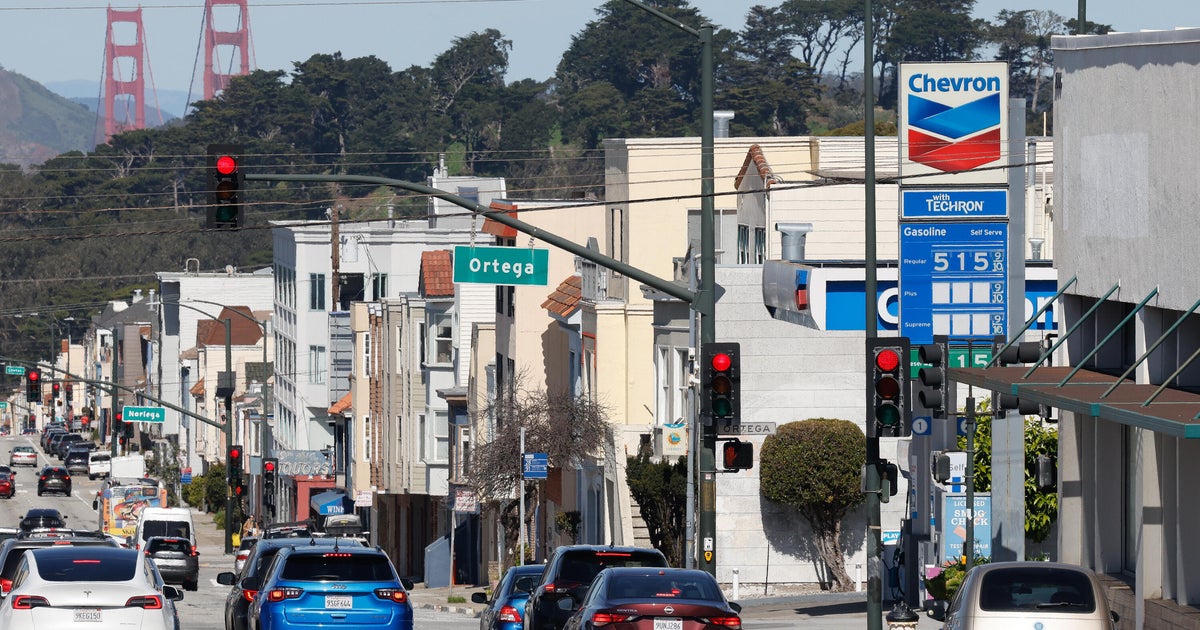
Gas prices have surged dramatically across the United States as the ongoing war in Iran continues to disrupt global energy markets, creating significant economic strain for American families and businesses. The conflict has led to widespread concerns about fuel supply chains and energy security, contributing to price volatility that has become a major domestic political issue. The rising costs at the pump are forcing many households to reconsider their spending habits and transportation choices.
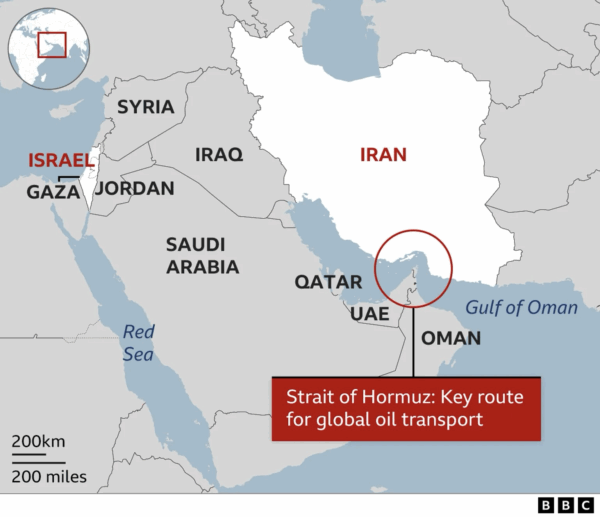
The Iranian war has created uncertainty in global oil markets, with traders pricing in risks related to potential supply disruptions and geopolitical instability in one of the world's most critical energy-producing regions. This uncertainty has translated directly into higher costs for American consumers, who are experiencing some of the steepest gas price increases in recent years. The situation has become particularly challenging for working families who depend on personal vehicles for their daily commutes and essential activities.
Regional variations in gas prices have become more pronounced as different areas of the country experience varying levels of supply chain disruption. Some states are seeing particularly dramatic increases, while others have been somewhat insulated from the worst impacts. These disparities have created additional economic pressures and highlighted the complex nature of energy distribution networks across the United States.
The rising gas prices have emerged as a significant political challenge for the current administration, with opposition leaders pointing to the costs as evidence of failed energy policies. The situation has reignited debates about domestic energy production, strategic petroleum reserves, and America's relationship with international energy markets. Political analysts suggest that gas prices could become a defining issue in upcoming elections if the increases continue.
Economists warn that sustained high gas prices could have broader implications for the American economy, potentially contributing to inflation pressures and reduced consumer spending in other sectors. The interconnected nature of transportation costs means that higher fuel prices often translate into increased costs for goods and services throughout the economy, creating ripple effects that extend far beyond the gas pump.