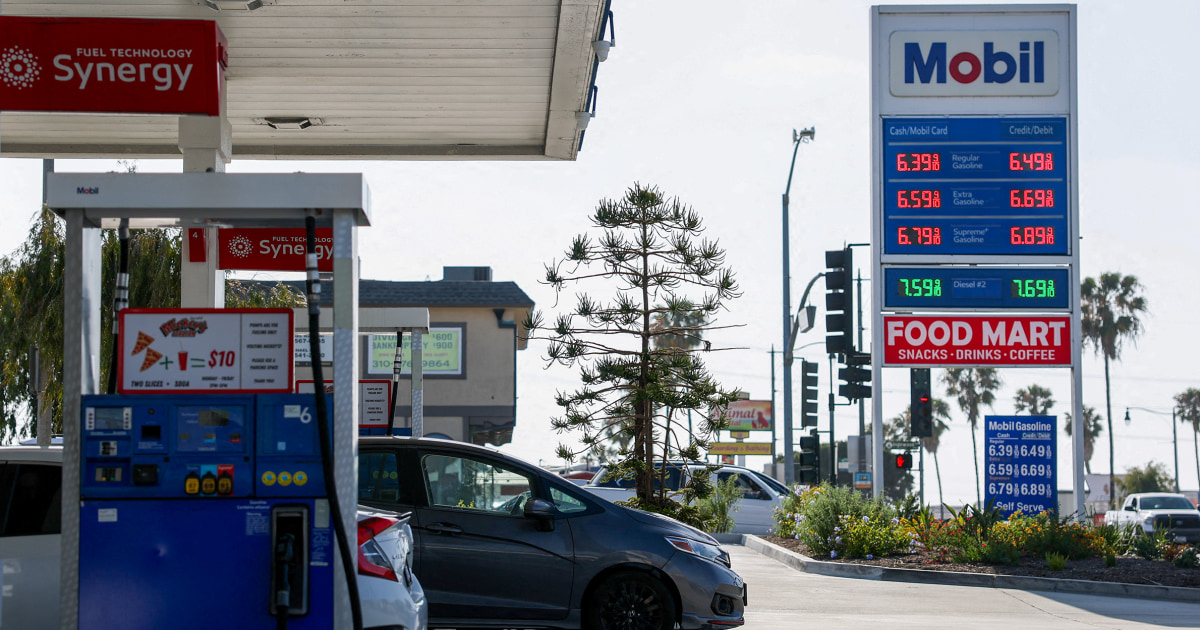
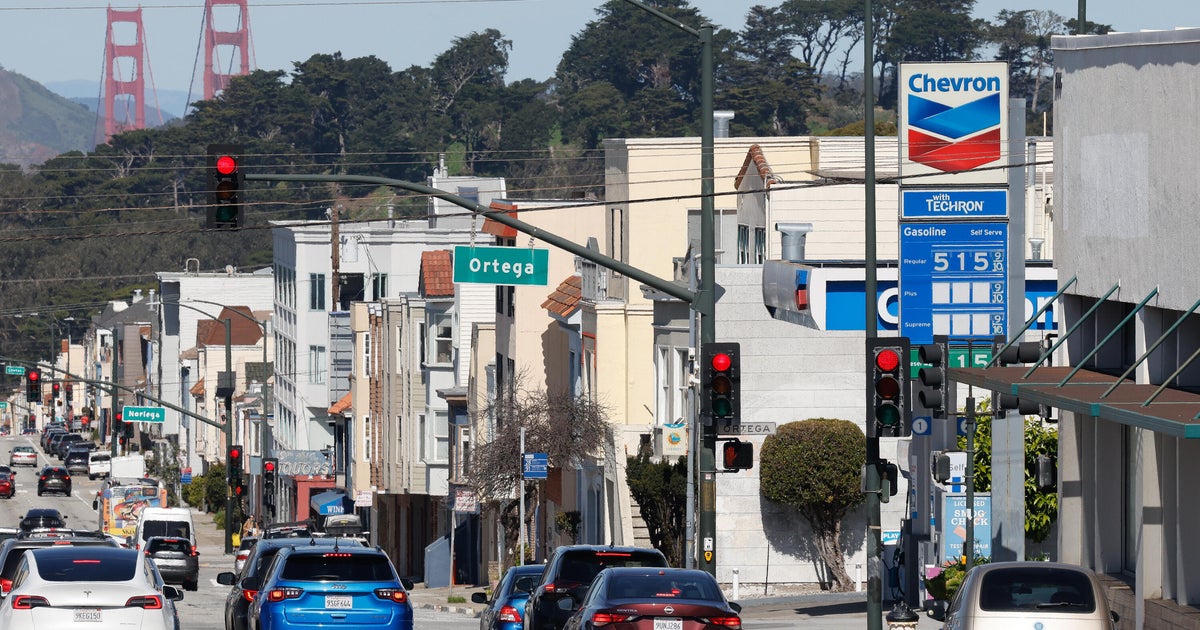
Gas Prices Expected to Remain Elevated Despite Strait of Hormuz Reopening
Energy experts warn that restoring normal oil production and shipping will take months, keeping fuel costs high for consumers.
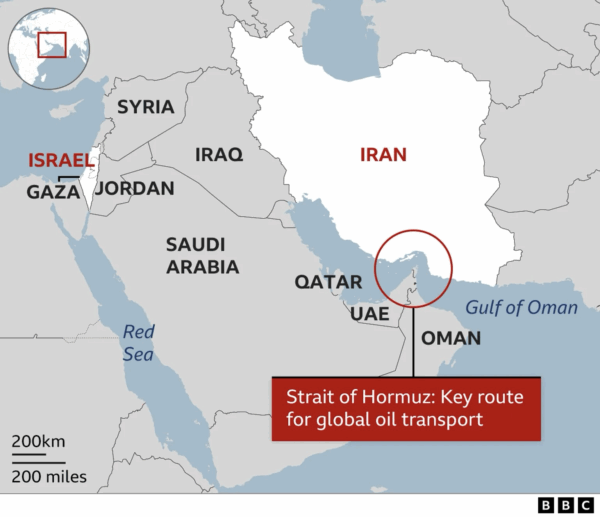
American consumers should not expect immediate relief at gas pumps even if the Strait of Hormuz fully reopens following the recent ceasefire between the United States and Iran. Energy industry experts warn that the complex process of restoring normal oil production and shipping operations will require months of careful coordination, meaning elevated fuel prices are likely to persist well into the summer driving season.
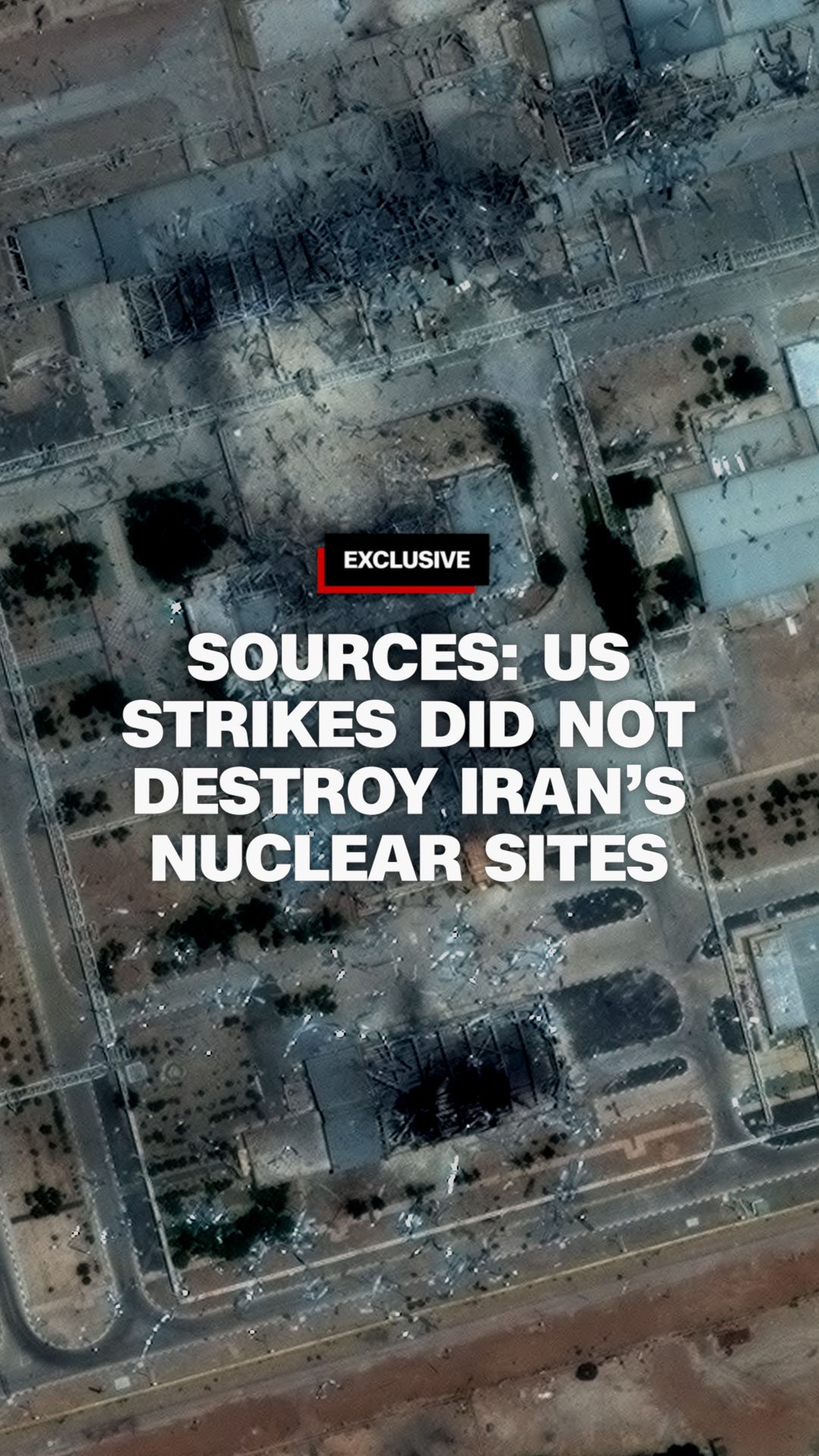
The five-week conflict effectively shut down one of the world's most critical energy chokepoints, disrupting the flow of approximately 20% of global oil supplies. While some oil wells can be reactivated within days or weeks, the broader energy infrastructure requires extensive safety checks, coordination between multiple countries, and the gradual resumption of shipping operations that were suspended during the hostilities.
Industry analysts emphasize that bringing the Gulf's energy system back to pre-war levels involves far more than simply turning on oil taps. Shipping companies must restore confidence in the safety of the waterway, insurance rates need to normalize, and the complex logistics of coordinating tanker schedules across multiple nations must be rebuilt from scratch. These operational challenges create inherent delays that will keep supply constraints in place for the foreseeable future.
The economic impact extends beyond just crude oil prices to affect refined gasoline, diesel, and heating oil markets across the United States. Refineries that adjusted their operations during the conflict will need time to return to optimal production levels, while the strategic petroleum reserve releases that helped cushion some price impacts are now being gradually scaled back as market conditions stabilize.
Consumers who have endured weeks of sharply higher fuel costs will likely face continued financial pressure as the energy markets slowly normalize. The gradual nature of this recovery process means that while prices may begin to decline from their current peaks, they are expected to remain significantly above pre-conflict levels through at least the third quarter of 2026. This extended period of elevated energy costs will continue to influence inflation expectations and consumer spending patterns across multiple sectors of the economy.