Gas Prices Hit $4 Per Gallon as Iran Conflict Drives 35% Surge Since February
Drivers across America face significant pain at the pump as Persian Gulf oil supply disruptions push fuel costs to highest levels since 2022.

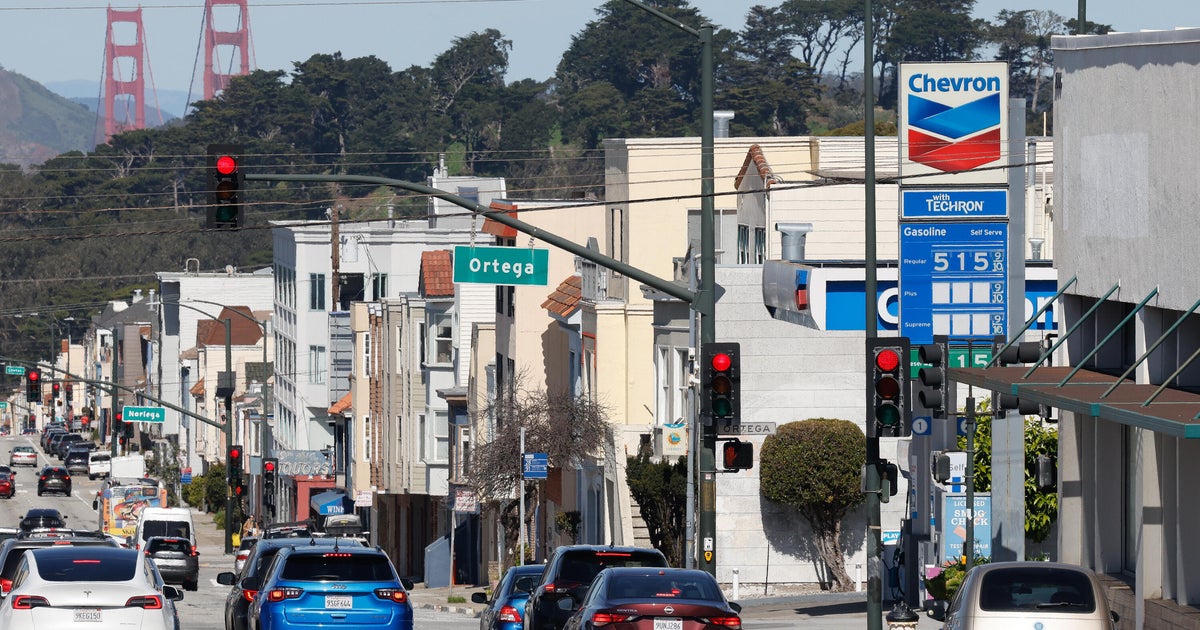
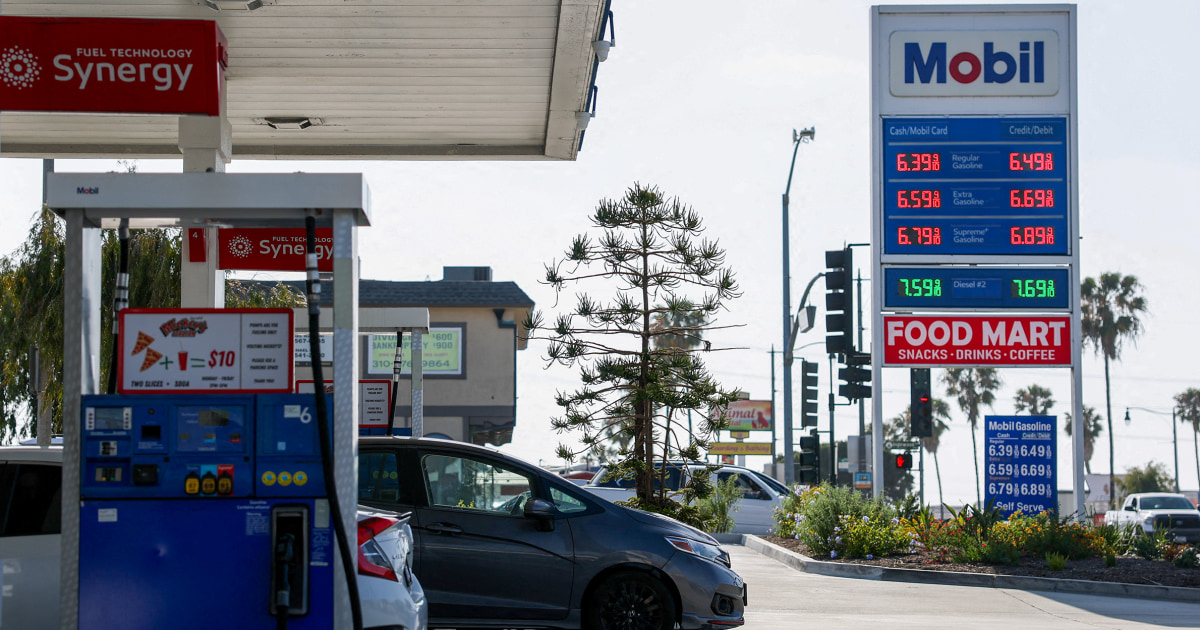
American drivers are confronting sticker shock at gas stations nationwide as the average price of gasoline reached $4 per gallon on Tuesday, marking the first time prices have crossed that threshold since mid-2022. The dramatic price increase represents approximately a 35 percent surge since the Iran conflict began on February 28, 2026, creating significant economic pressure on households and businesses across the country.
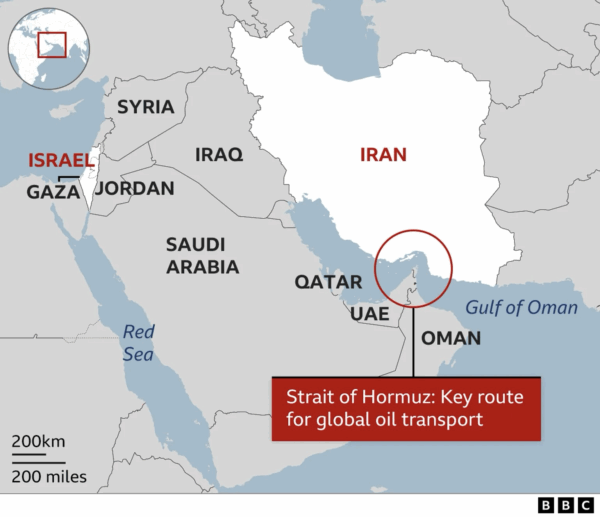
The sharp rise in fuel costs stems directly from the ongoing military confrontation between the United States, Israel, and Iran, which has effectively shut down Persian Gulf oil exports. Iranian responses to U.S.-Israeli attacks have targeted critical energy infrastructure, while naval blockades and military operations have made shipping through the strategically vital Strait of Hormuz extremely dangerous. This disruption has removed millions of barrels of daily oil production from global markets, forcing prices to surge worldwide.
For ordinary Americans, the price spike translates into real economic hardship. A typical family filling a 15-gallon tank now pays approximately $60, compared to roughly $44 just one month ago. Commercial transportation companies, delivery services, and ride-sharing operators are beginning to pass increased fuel costs onto consumers through higher prices and surcharges. Airlines have already announced significant fare increases for domestic and international routes, citing jet fuel costs that have risen in parallel with gasoline prices.
The economic implications extend far beyond individual consumers. Small businesses that rely on transportation and delivery are facing severe margin pressure, while logistics companies are implementing fuel surcharges that ultimately increase the cost of goods throughout the economy. Agricultural producers, particularly those operating large machinery for spring planting, are calculating significantly higher operating expenses that could translate into food price increases later in the year.
President Trump faces mounting political pressure over the gas price surge, with approval ratings beginning to show the strain of sustained high energy costs. Historical analysis suggests that presidents typically see their approval ratings correlate strongly with gasoline prices, though some political scientists argue this relationship may be weakening as the economy becomes less dependent on traditional energy consumption. The administration has explored releasing oil from the Strategic Petroleum Reserve, but officials acknowledge that such measures would provide only temporary relief while the underlying supply disruption continues.