U.S. Inflation Surges to 3.8% in April, the Hottest Reading Since 2023, as Iran War Drives Gasoline Up 28% From a Year Ago
The Consumer Price Index jumped 0.6% on the month — well above the 0.4% Wall Street had penciled in — as energy costs accounted for more than 40% of the headline gain.

U.S. consumer prices climbed at their fastest annual pace in nearly three years in April, the Bureau of Labor Statistics reported Tuesday, as the oil shock unleashed by the war with Iran continued to ripple through the economy and forced economists to abandon their last remaining bets on Federal Reserve rate cuts in 2026. The Consumer Price Index rose 0.6 percent on the month and 3.8 percent on the year, both above the 0.4 percent and 3.7 percent expected by economists surveyed by Reuters, and the highest 12-month reading since May 2023.
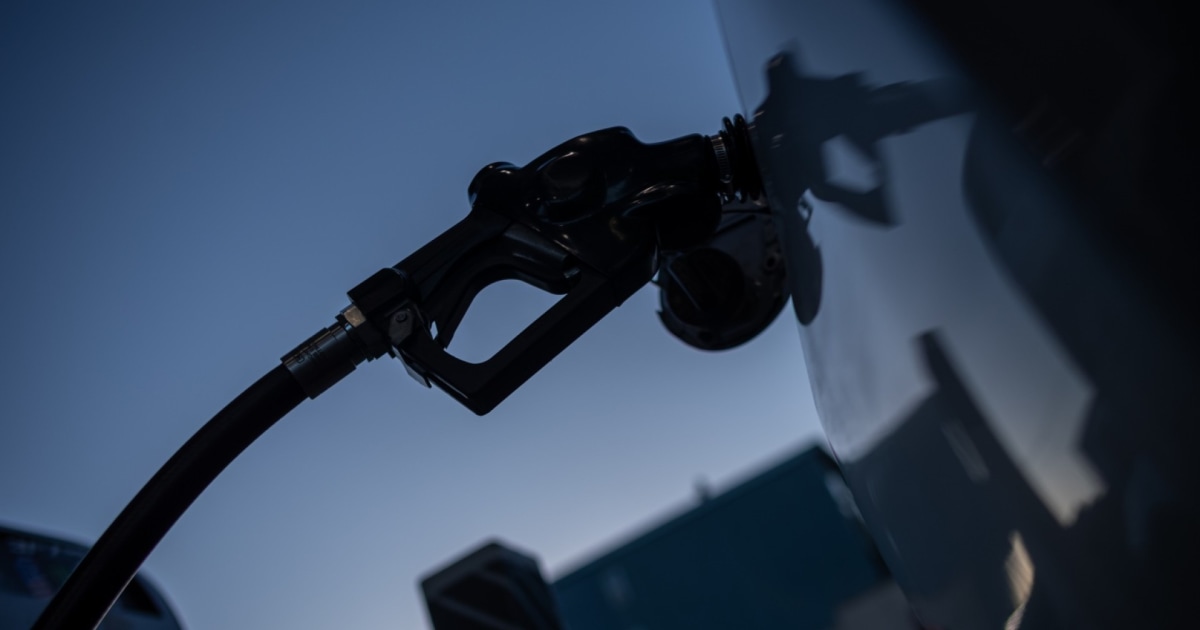
Energy was again the engine of the surge. The energy index rose 3.8 percent in April alone and accounted for more than 40 percent of the headline gain, with the gasoline subindex up 6.1 percent on the month and a stunning 28.4 percent on the year. AAA's national pump average crossed $4.50 a gallon Tuesday, up from $2.98 the week the U.S.-Iran war began in late February, after President Trump rejected Tehran's latest ceasefire proposal Monday and warned the truce was "on life support." Brent crude settled at $102.18 a barrel, its highest close since the early days of the conflict, and the U.S. dollar index slipped to a three-week low against the euro and yen.
Core inflation, which strips out the volatile food and energy components and is the Fed's preferred lens on underlying price pressures, climbed 0.4 percent on the month and 2.8 percent on the year, the largest monthly increase since January 2025 and a sign that the energy shock is bleeding into broader services. Shelter costs, which had moderated in recent months, rose 0.6 percent — a one-tick reacceleration that economists at JPMorgan and Goldman Sachs flagged in research notes as the most troubling signal in the report. Used-car prices jumped 1.2 percent, airline fares 4.7 percent, and home and auto insurance, both highly sensitive to fuel costs, rose 1.1 percent and 0.9 percent respectively.
The bond market sold off immediately on the release. The benchmark 10-year Treasury yield jumped 11 basis points to 4.62 percent, the largest single-day move since the war began, while the policy-sensitive 2-year yield rose 14 basis points to 4.41 percent. Fed funds futures now price in zero probability of a rate cut at the Federal Open Market Committee's June 16-17 meeting and just a 19 percent chance of one cut at the July 28-29 meeting, down from 64 percent before the report. JPMorgan chief economist Michael Feroli wrote that "the next Fed move is now more likely to be a hike than a cut," reversing the bank's house view from March.
Treasury Secretary Scott Bessent told CNBC the inflation surge was "entirely an Iran story" and reiterated that the administration is preparing to release roughly 30 million barrels from the Strategic Petroleum Reserve before Memorial Day weekend. President Trump on Tuesday again floated suspending the 18.4-cent federal gasoline tax through Labor Day, although Senate Majority Leader John Thune said any such suspension would require Congress to find offsetting cuts. The Cleveland Fed's nowcast model is projecting a further 3.9 percent annual print for May, which would mark the first back-to-back monthly accelerations of headline inflation since the post-pandemic surge of 2022.