Gas Prices Hit Record Monthly Jump as Iran War Pushes Inflation to Highest Level in Two Years
Consumer Price Index surged 0.9% in March, the biggest monthly increase since the peak of post-pandemic inflation crisis.

Consumer prices jumped 0.9% in March, marking the steepest monthly increase since June 2022 and pushing inflation to its highest level in two years as the war with Iran sent gasoline prices spiraling across the United States. The Consumer Price Index surge far exceeded economists' expectations and represented the most dramatic single-month price acceleration since the peak of the post-pandemic inflation crisis. Energy costs led the broad-based increase, with gasoline prices experiencing their biggest monthly percentage jump in decades amid ongoing tensions in the Middle East.
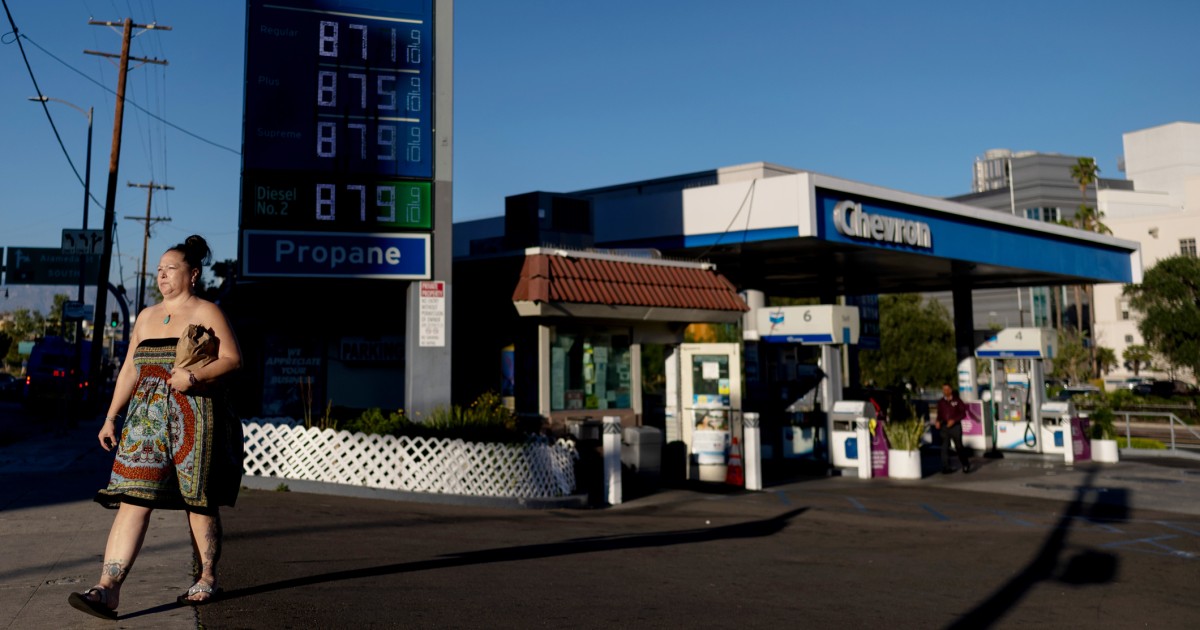
The war's impact on global oil markets has created a cascading effect throughout the American economy, with fuel price increases driving up costs for transportation, food distribution, and manufacturing. Gas stations across the country have reported daily price adjustments as crude oil futures remain volatile due to supply disruption fears and geopolitical uncertainty. The average price at the pump has climbed steadily since the conflict began, with some regions seeing increases of more than $1 per gallon in recent weeks.
The inflation surge poses significant challenges for both consumers and policymakers, as higher prices strain household budgets already pressured by elevated costs for housing and other essentials. Federal Reserve officials have been closely monitoring the situation, as sustained energy price increases could complicate monetary policy decisions and potentially derail progress made in reducing inflation over the past year. The central bank had been considering rate cuts before the conflict erupted, but the March inflation reading has forced a reassessment of that timeline.
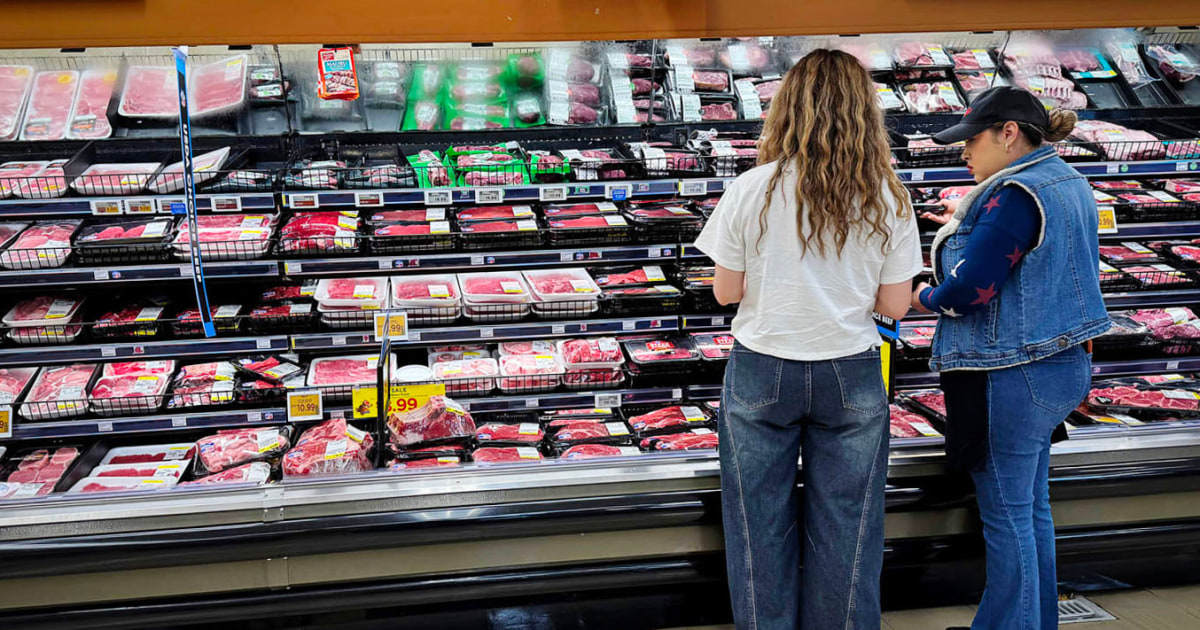
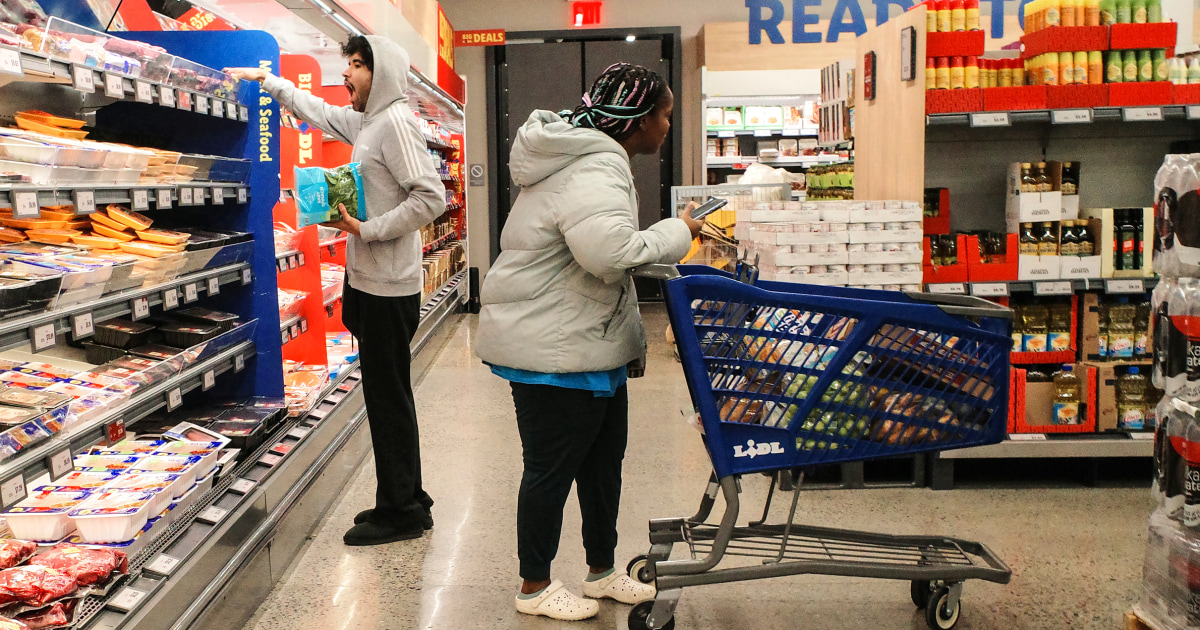
Consumer spending patterns are already showing signs of adjustment as Americans face what economists are calling the biggest monthly price shock in nearly four years. Retail sales data suggests shoppers are becoming more selective about discretionary purchases, while essential spending on food and transportation consumes a larger share of household income. The broad-based nature of the price increases, extending beyond energy to housing, food, and services, indicates the inflation pressure is becoming more entrenched across the economy.
The March inflation report underscores how quickly geopolitical events can derail economic progress and reshape policy discussions. With the war's duration and intensity remaining uncertain, economists warn that sustained high energy prices could trigger a more persistent inflation cycle, potentially forcing the Federal Reserve to maintain higher interest rates longer than previously anticipated. The combination of supply chain disruptions and energy market volatility created by the Iran conflict has effectively reset inflation expectations and complicated the central bank's path toward price stability.