Inflation Surges to 3.8% in April as Iran War Drives Energy Costs Higher
President Trump declares the cease-fire on "life support" as investors take cautious approach to rising oil prices and economic uncertainty from ongoing conflict.

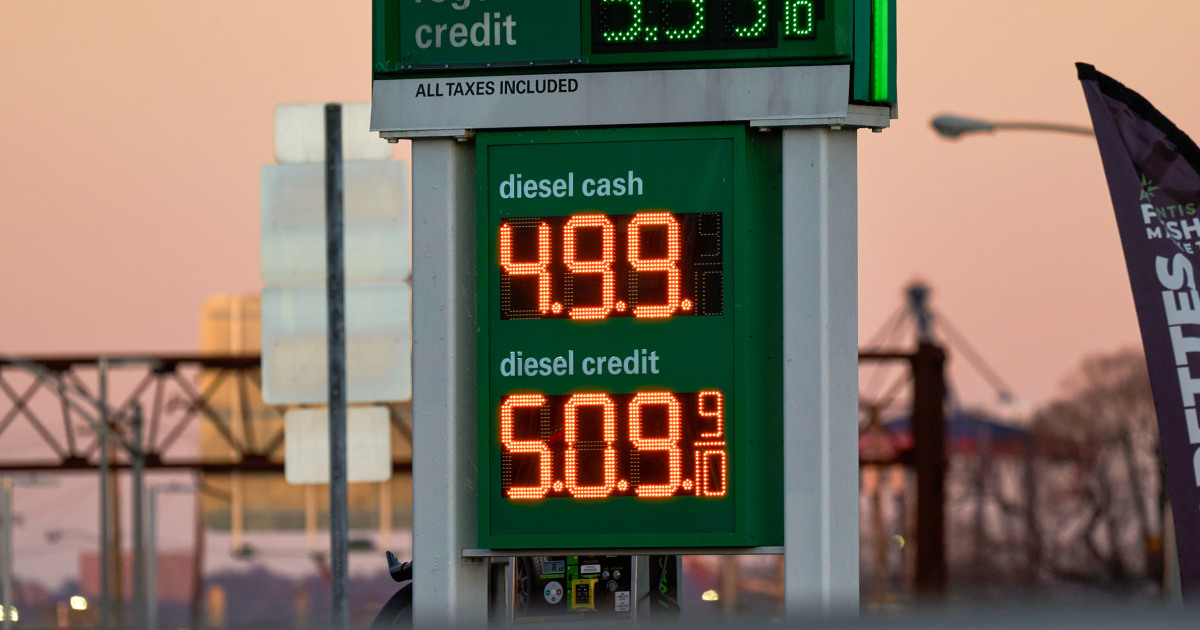
Inflation jumped to 3.8% in April, reaching its highest level in nearly three years as the ongoing conflict with Iran continues to drive energy costs higher across the American economy. The surge represents a significant acceleration from previous months and reflects the broader economic impacts of geopolitical instability in the Middle East. Oil prices have risen sharply as military tensions escalate, creating ripple effects throughout supply chains and contributing to increased costs for transportation, manufacturing, and consumer goods.
President Trump has described the current cease-fire arrangements as being on "life support," signaling that diplomatic efforts to contain the conflict may be failing. The deteriorating situation has created uncertainty among investors and consumers, who are increasingly concerned about the potential for prolonged military engagement and its economic consequences. Energy markets have responded with particular sensitivity to developments in the conflict, as Iran's strategic position in global oil production makes any disruption to regional stability a significant factor in commodity pricing.
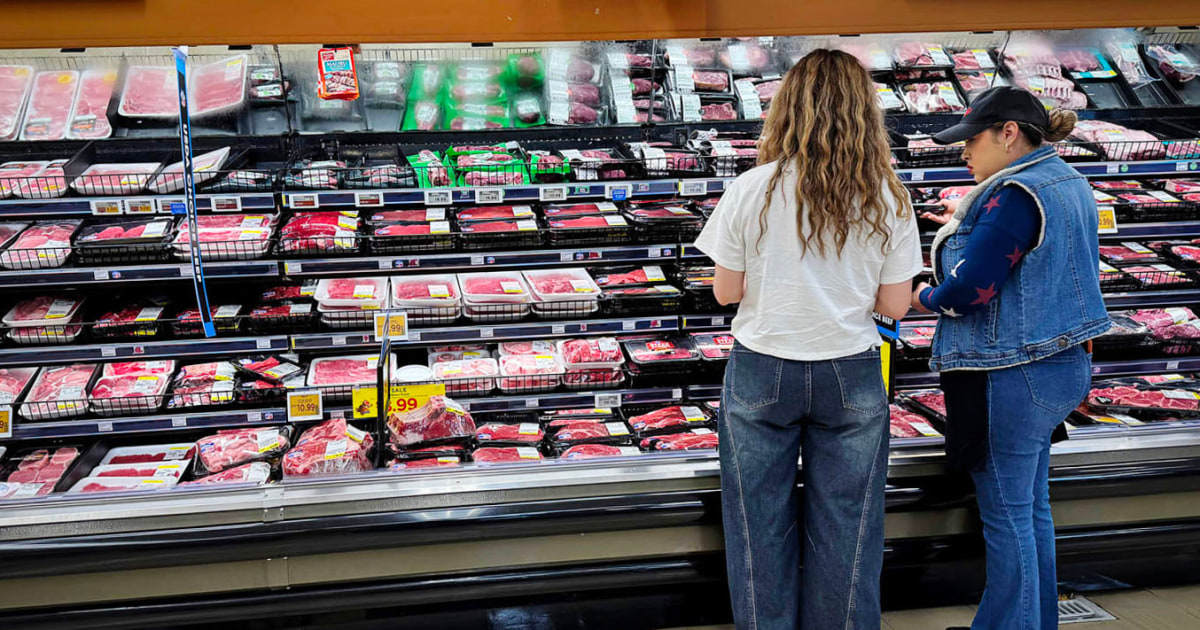
The inflationary pressure extends beyond direct energy costs to affect a wide range of economic sectors. Transportation companies are passing along higher fuel costs to customers, while manufacturers face increased expenses for shipping raw materials and finished goods. Retailers are beginning to adjust pricing to account for these higher operational costs, creating a cascade effect that ultimately reaches consumers through higher prices for everyday goods and services.
Investors have adopted a cautious approach as the economic effects of the war become more apparent, with many portfolio managers reducing risk exposure and moving toward more defensive investment strategies. The combination of rising inflation and geopolitical uncertainty has created a challenging environment for monetary policy, as Federal Reserve officials must balance concerns about price stability against the potential economic disruption from military conflict. Market analysts suggest that sustained oil price increases could force more aggressive policy responses if inflationary pressures continue to build.
The April inflation reading has intensified debates about the economic costs of military engagement and the trade-offs between foreign policy objectives and domestic economic stability. Some economists warn that prolonged conflict could push inflation significantly higher, potentially requiring more dramatic policy interventions to maintain price stability. The current trajectory suggests that American families may face continued pressure from rising prices, particularly for gasoline and other energy-dependent goods, as the situation in Iran remains unresolved.