US Consumer Sentiment Crashes to All-Time Low of 47.6 as Iran War Drives Inflation Panic
The University of Michigan's index shattered its 75-year record floor as one-year inflation expectations surged to 4.8%, the largest single-month jump in survey history.
American consumer confidence collapsed to the lowest level ever recorded in the 75-year history of the University of Michigan's Survey of Consumers, with the preliminary April reading plunging to 47.6 — shattering the previous all-time low of 50 set during the peak of Biden-era inflation in June 2022 and eclipsing the nadir of 51.7 set during the 1980 energy crisis. The nearly 11% single-month drop, from 53.3 in March to 47.6 in April, was driven overwhelmingly by the US-Iran war and its cascading effects on energy prices, inflation expectations, and financial markets.
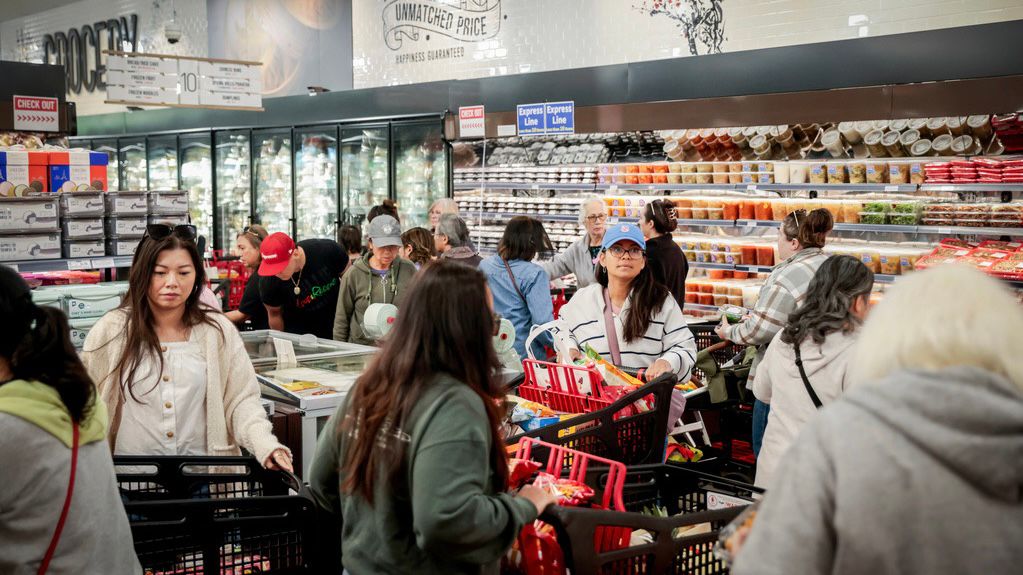
The survey, released Friday by the university, found that American households across every demographic group — every age bracket, income level, and political affiliation — registered significant deterioration in both their current assessments of economic conditions and their outlook for the future. Fully 90% of respondents cited global instability as a primary concern for their long-term financial security, and open-ended comments showed that many consumers explicitly blamed the Iran conflict for the deterioration in their economic circumstances. The index now sits 9% below its level from a year ago and tracks below every prior trough recorded by the survey in its entire postwar history.
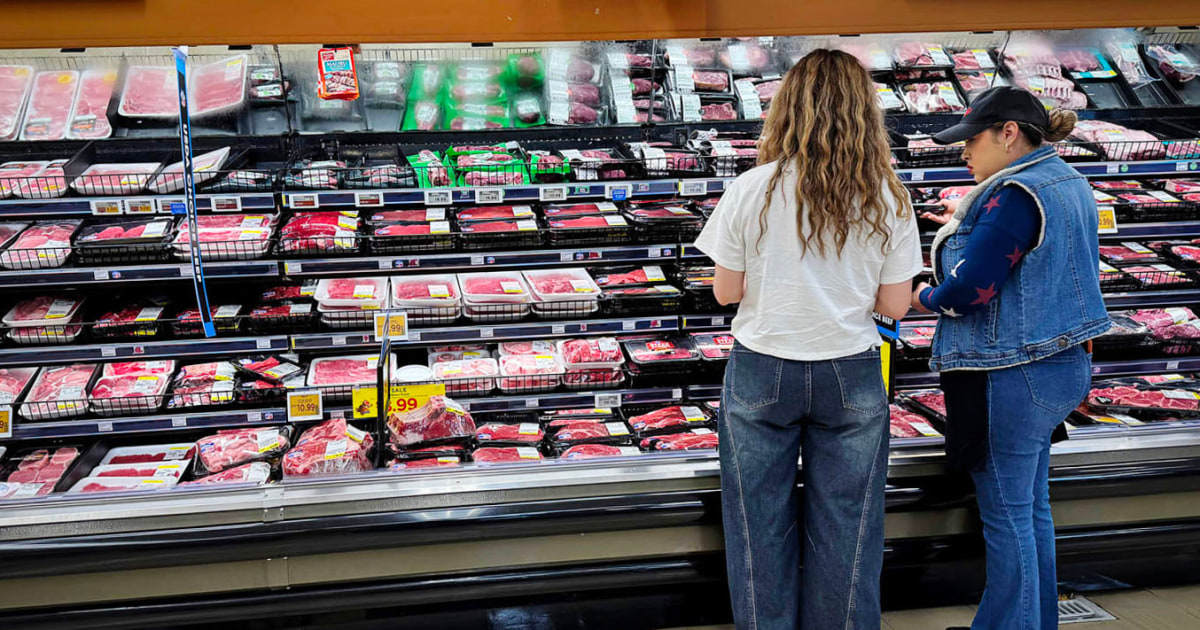
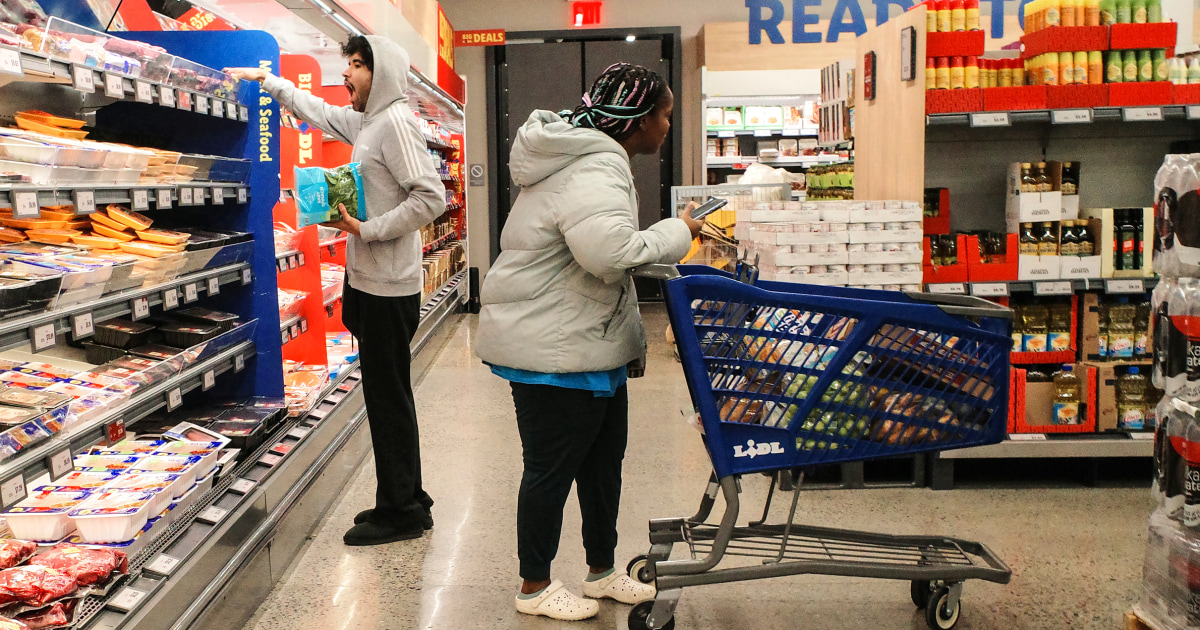
The most alarming component of the report may be the surge in inflation expectations. One-year ahead inflation expectations leaped to 4.8% in April, up a full percentage point from 3.8% in March — the largest single-month jump in the survey's history. Longer-run inflation expectations, which the Federal Reserve watches closely as an indicator of whether price pressures are becoming entrenched, also ticked higher to 3.4%, from 3.2%. The spike reflects the dramatic rise in gasoline prices since the Iran conflict began February 28, with prices at the pump surging nearly 40% over six weeks to reach $4.16 per gallon nationally, and oil prices spiking as Iran's blockade of the Strait of Hormuz cut off roughly 20% of global oil supply.
The Federal Reserve, already navigating a delicate balancing act between slowing growth and persistent inflation from last year's tariffs, now faces a potentially worse predicament. Fed Chair Jerome Powell had been signaling patience on rate cuts while monitoring inflation's trajectory. The combination of a supply shock from the Hormuz disruption and a demand shock from collapsing consumer confidence puts the central bank in an impossible position: lowering rates could inflame already-elevated inflation expectations, while holding or raising rates could tip an economy already contending with war-driven energy costs into recession. Goldman Sachs recently revised its recession probability for 2026 upward to 35%.
The collapse in sentiment represents a sharp reversal from late 2024, when the index stood at a relatively healthy 72.5 following the resolution of the post-pandemic inflation wave. Economists note that the speed and breadth of this deterioration is historically unusual — past sentiment crashes of this magnitude were typically associated with financial crises or severe recessions, not wars that the United States had chosen to initiate. The financial markets reacted with a volatile week, with the S&P 500 down roughly 8% since the Iran conflict began, though the index has partially recovered from its steepest declines as energy prices briefly moderated during the ceasefire period. With no peace deal in sight after the failed Islamabad talks, economists warned that further deterioration in consumer confidence — and the spending that underpins much of the US economy — appears likely in the months ahead.