Gas Prices Surge Toward $5 Per Gallon as Iran War Pressures Energy Markets
National averages climb amid Middle East conflict while one state suspends gas tax and Trump administration considers federal relief measures.
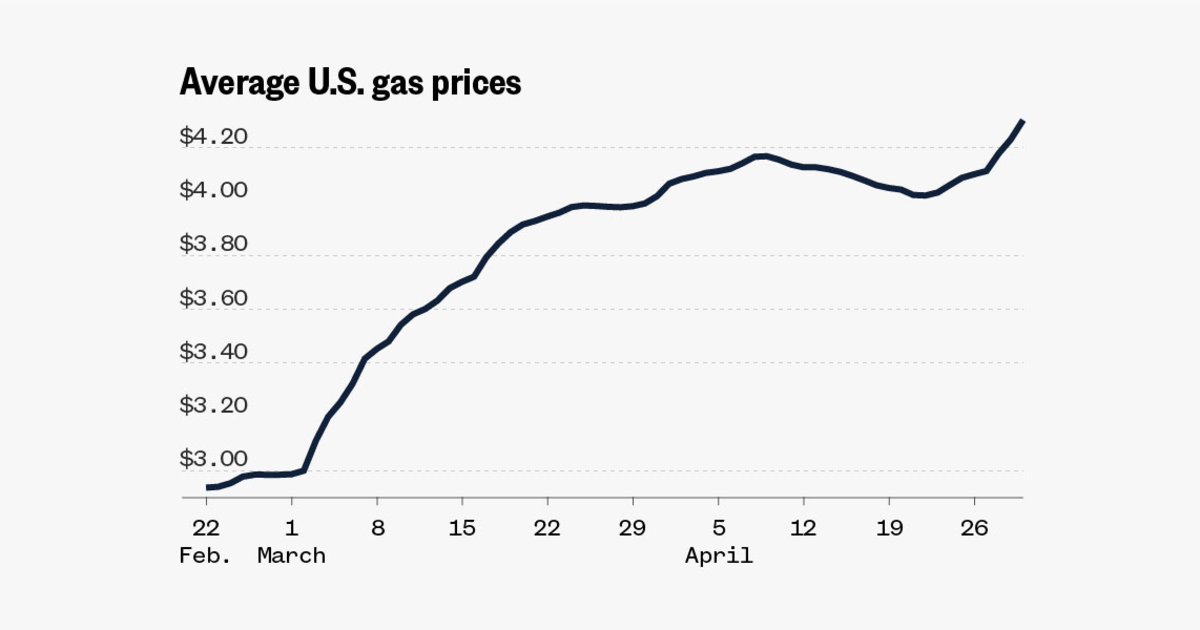
Gasoline prices across the United States are approaching $5 per gallon as ongoing military tensions with Iran continue to disrupt global energy markets and strain American consumers' budgets. The price surge has prompted at least one state to suspend its gasoline tax entirely, while President Donald Trump and his Cabinet are actively discussing the possibility of implementing similar relief measures at the federal level.
The dramatic price increases reflect the volatile nature of energy markets during periods of international conflict, particularly involving major oil-producing regions like the Middle East. Iran's significant role in global oil production and its strategic position controlling key shipping routes has made the ongoing military situation a major factor in determining fuel costs for American drivers.
Regional variations in price increases have become particularly pronounced, with some areas of the country experiencing more severe impacts than others depending on their proximity to refineries, transportation networks, and local tax structures. NBC News analysis of average gas price data from AAA shows that the extent of price increases during the Iran conflict varies significantly based on geographic location.
The Trump administration's consideration of federal gas tax relief would represent a significant policy response to the energy crisis. Such measures have been implemented during previous periods of extreme price volatility, though they require careful consideration of their impact on federal highway funding and other transportation infrastructure programs that depend on gasoline tax revenue.
Senator Josh Hawley of Missouri has separately indicated his support for broader financial restrictions on federal officials, including a stock trading ban that would apply to presidents and other high-ranking government officials. While not directly related to the gas price crisis, Hawley's comments reflect growing congressional concern about potential conflicts of interest during times of economic uncertainty and market volatility that could affect energy-related investments.