Gas Prices Surge Toward $5 Amid Iran War as Regional Variations Create Patchwork Impact
NBC News analysis reveals dramatic county-by-county differences in fuel cost increases, with some states suspending gas taxes for relief.
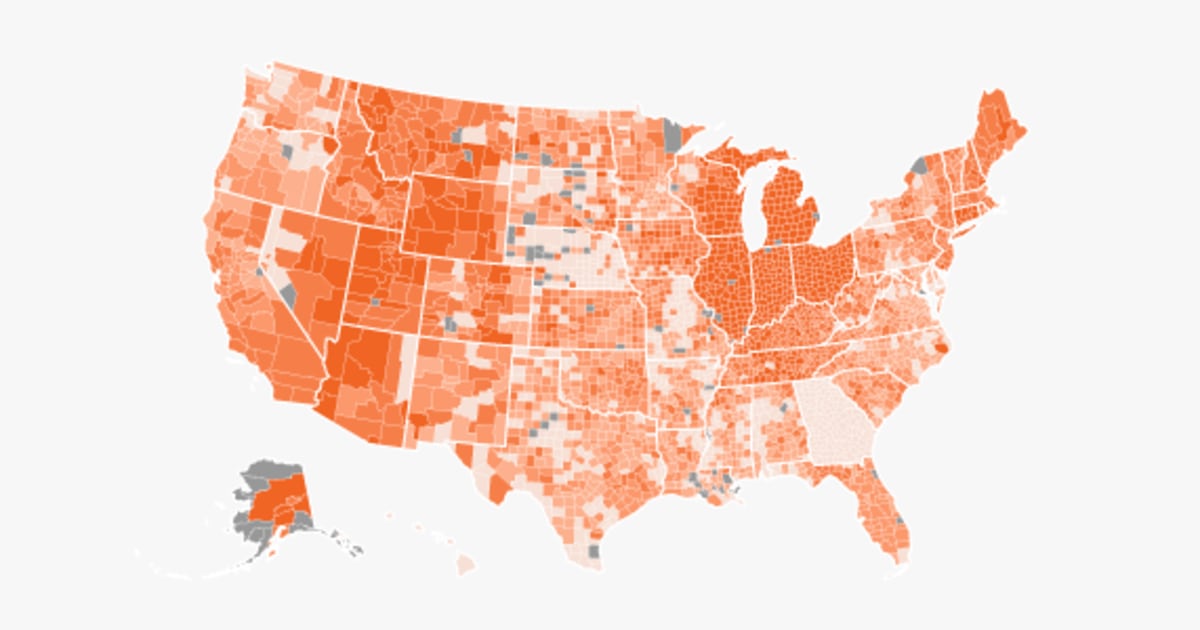
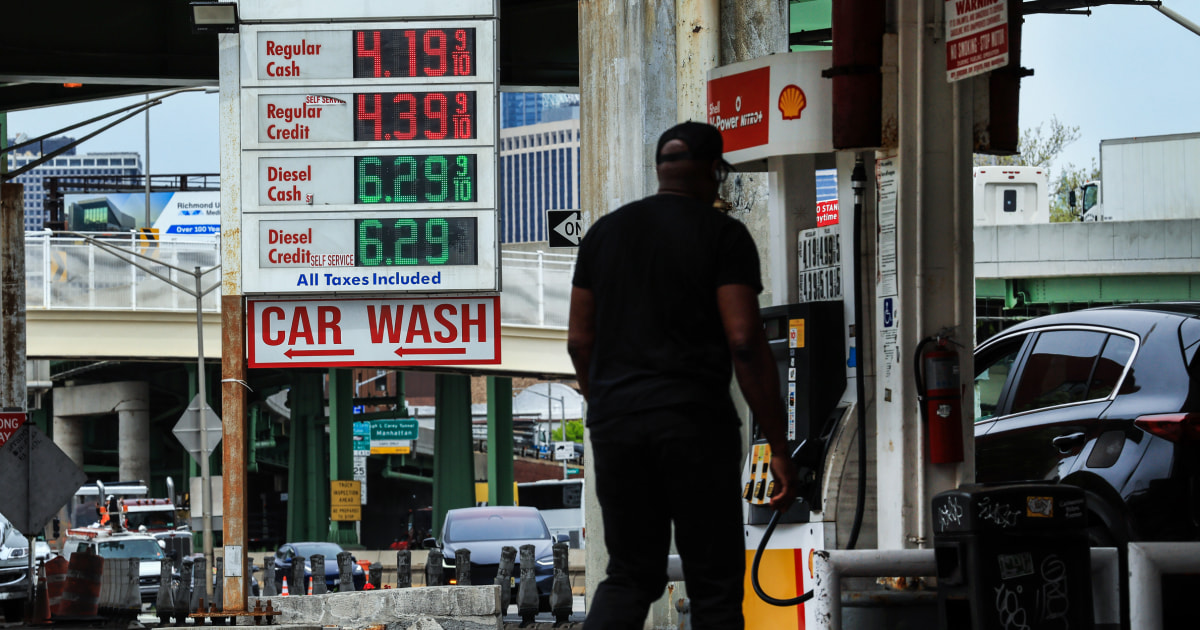
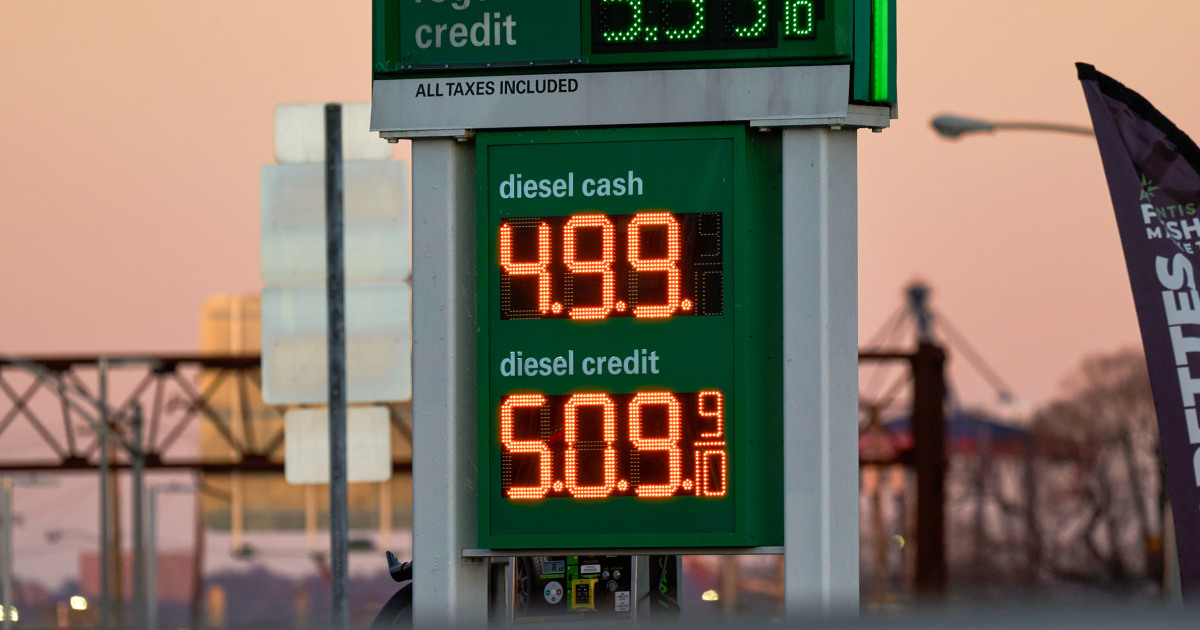
National gas price averages are climbing toward $5 per gallon as the ongoing Iran conflict continues to disrupt global energy markets, but the impact varies dramatically across different regions of the United States, according to an NBC News analysis of AAA pricing data. The geographic patchwork of price increases reflects complex factors including local tax structures, refinery capacity, and supply chain logistics that determine how international crises translate into costs at the pump.
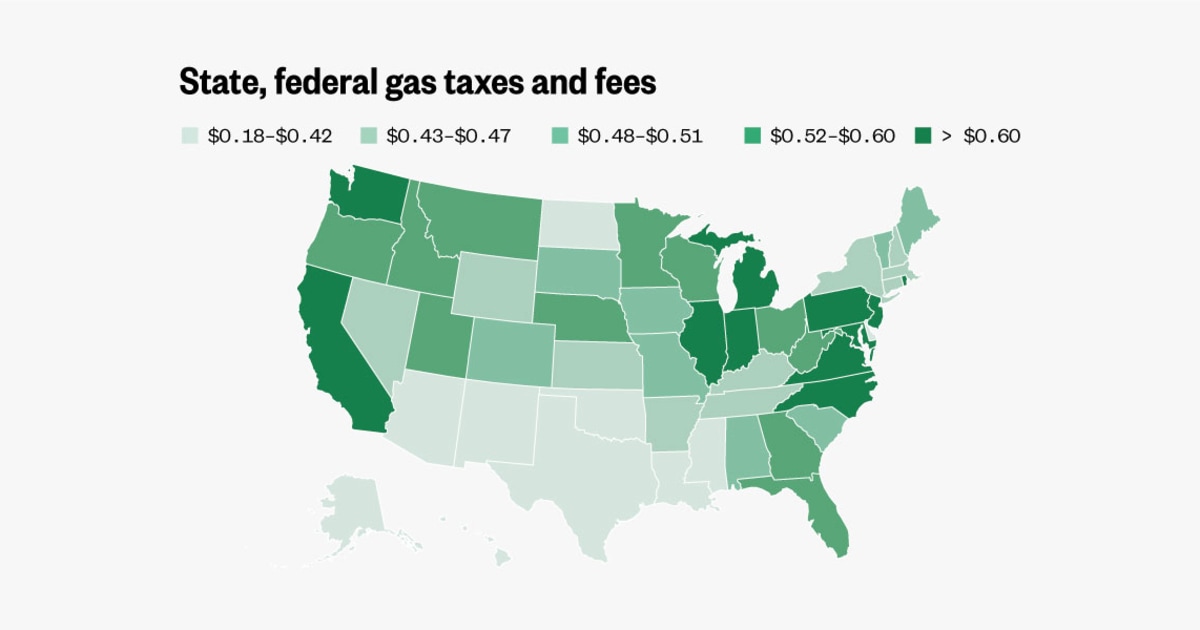
Some states have already taken emergency action to provide consumer relief, with at least one state suspending its gas tax entirely as prices continue their upward trajectory. President Trump and his Cabinet members have publicly discussed the possibility of suspending federal gas taxes nationwide, though no concrete timeline has been established for such a move. The federal gas tax currently adds 18.4 cents per gallon to consumer costs, while state taxes vary significantly across jurisdictions.
The Iran war's impact on energy markets extends beyond simple supply disruptions, as investors and traders react to ongoing geopolitical uncertainty by bidding up crude oil prices. Recent drone attacks against U.S. allies in the Gulf region have intensified these concerns, with President Trump warning that the "clock is ticking" for Iran to accept diplomatic terms or face renewed military action. The rhetoric has contributed to market volatility that affects fuel costs nationwide.
County-level analysis reveals striking disparities in how the crisis affects American consumers. Rural areas often face higher prices due to transportation costs and limited competition, while urban markets with multiple refineries may see more modest increases. Regional factors such as proximity to ports, pipeline infrastructure, and local refining capacity create significant variations in how international oil price fluctuations translate into retail gasoline costs.
The economic implications extend far beyond individual household budgets, affecting transportation-dependent industries, logistics companies, and consumer spending patterns. Higher fuel costs typically ripple through the broader economy by increasing shipping expenses and reducing disposable income for other purchases. With national elections approaching, gas prices have become a major political issue as voters directly experience the economic consequences of foreign policy decisions and international conflicts in their daily lives.