Trump Finalizes Weaker Fuel Economy Rules: 34.9 MPG by 2031, Down From 50.4
The administration says the rollback will cut about $1,300 from new-car prices, while critics warn drivers will pay more at the pump with gasoline near $4.50.
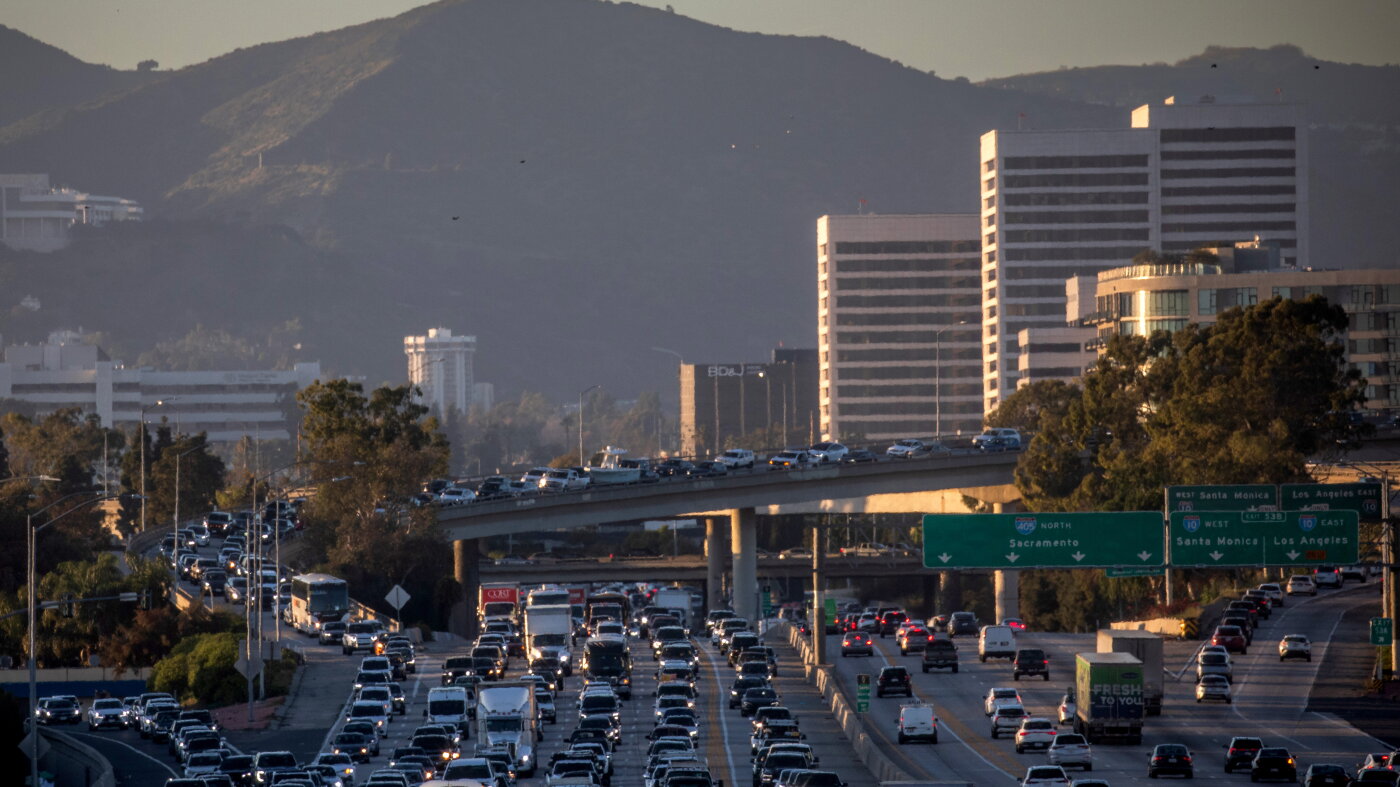
The Trump administration on Monday finalized a rule that scales back how fuel efficient American carmakers must make their fleets, replacing Biden-era targets with a far lower bar.
Under the revised Corporate Average Fuel Economy standards, carmakers must improve their new passenger car and truck fleets by up to 1% a year, aiming for an average of 34.9 miles per gallon in model year 2031. The Biden-era rules required annual gains of 2% and a fleetwide average of 50.4 miles per gallon by that year. The administration's proposal earlier this month had put the target near 34.5.
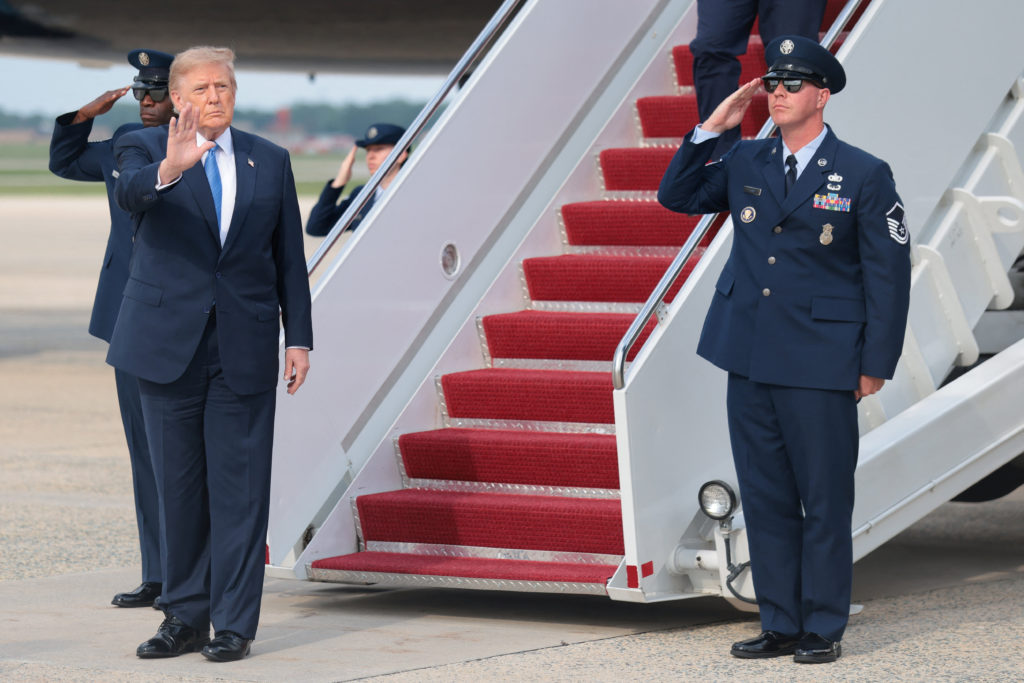
The stated rationale is affordability. Officials argue that fuel-efficiency technology is expensive and has pushed up vehicle prices, and they estimate that scaling back the standards will shave about $1,300 off the sticker price of a new car. "This administration is delivering relief to families and reviving the beating heart of American manufacturing," Transportation Secretary Sean Duffy said in a statement. President Trump wrote on Truth Social over the weekend that the new standards "will take the waste out of building cars in America," which he said means lower prices.
The final rule from the National Highway Traffic Safety Administration also ends the ability of automakers to trade credits with one another for building electric vehicles. That system let companies buy credits from EV makers to offset selling less efficient vehicles, and Republicans had long criticized it.
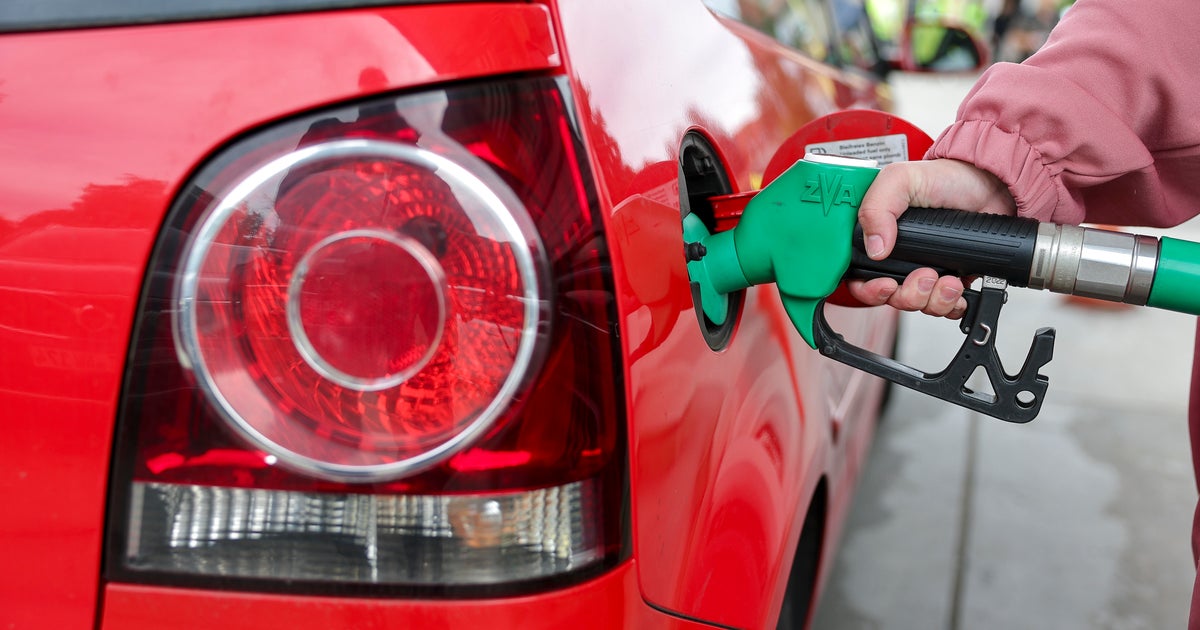
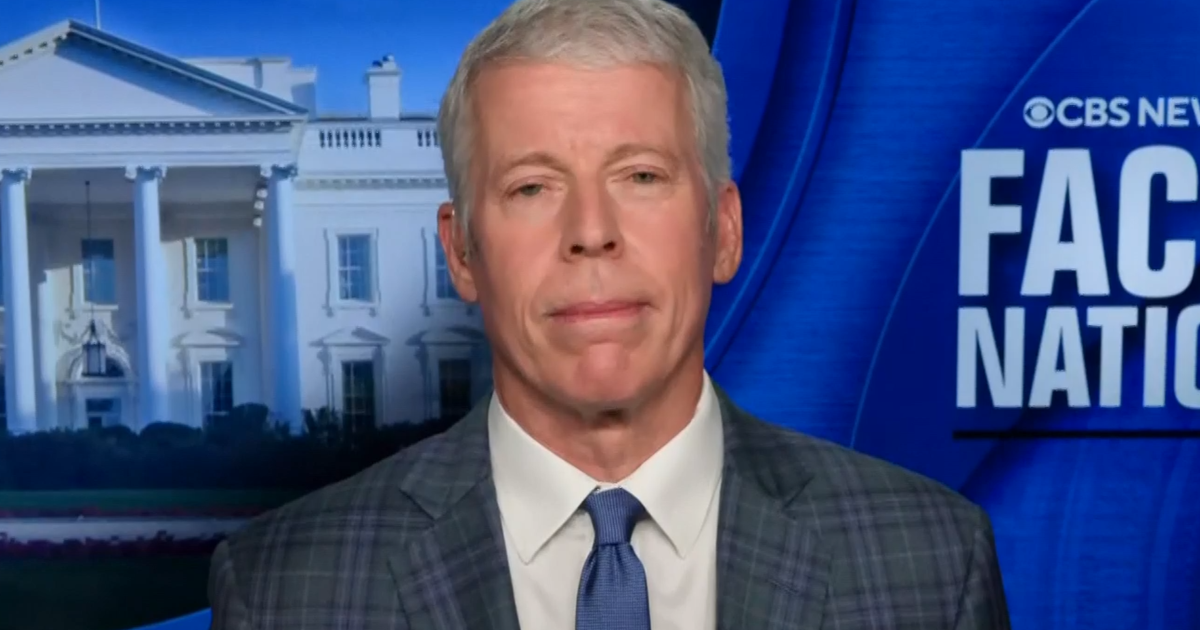
Critics say the timing is poor. According to AAA, the national average price for gasoline is close to $4.50 a gallon, and diesel is hovering near $6.50, just short of last week's record. Dan Becker, director of the Safe Climate Transport Campaign at the Center for Biological Diversity, said the rollback "would increase gasoline usage and pollution, costing consumers at the pump and at the doctor's office." He said Trump is "tanking sensible mileage standards at the worst possible time for consumers."
Sue Helper, an economist at Case Western Reserve University who studies the auto industry, said the change will hurt over the long run. "It's very bad in the long term, because it slows progress," she said, arguing that it gives American automakers less practice building the cars that buyers at home and abroad will want. U.S. carmakers sell in foreign markets that may have stricter emissions rules, and a future administration could rewrite the standards again.
The rule is the latest in a string of moves undoing Biden-era climate policy, including cutting the federal tax credit for electric vehicle buyers, delaying federal money for a national EV charging program and striking down the waivers that let California set stricter pollution rules. It also finishes a process that began in July of last year, when the One Big Beautiful Bill Act eliminated the penalties for missing the standards, and continued when the White House proposed scaling them back in December.
Congress created the standards in 1975 in response to the oil embargo shock, hoping to reduce dependence on Middle East supply. The United States is now the world's largest oil producer, and the debate has shifted toward climate and cost.