Bike Lanes and Speed Cameras Vanish From the Federal Government's List of Proven Safety Fixes
The Federal Highway Administration quietly removed five strategies from its 'Proven Safety Countermeasures' as the Transportation Department wages a campaign against what Secretary Sean Duffy calls 'DEI bike lanes.'
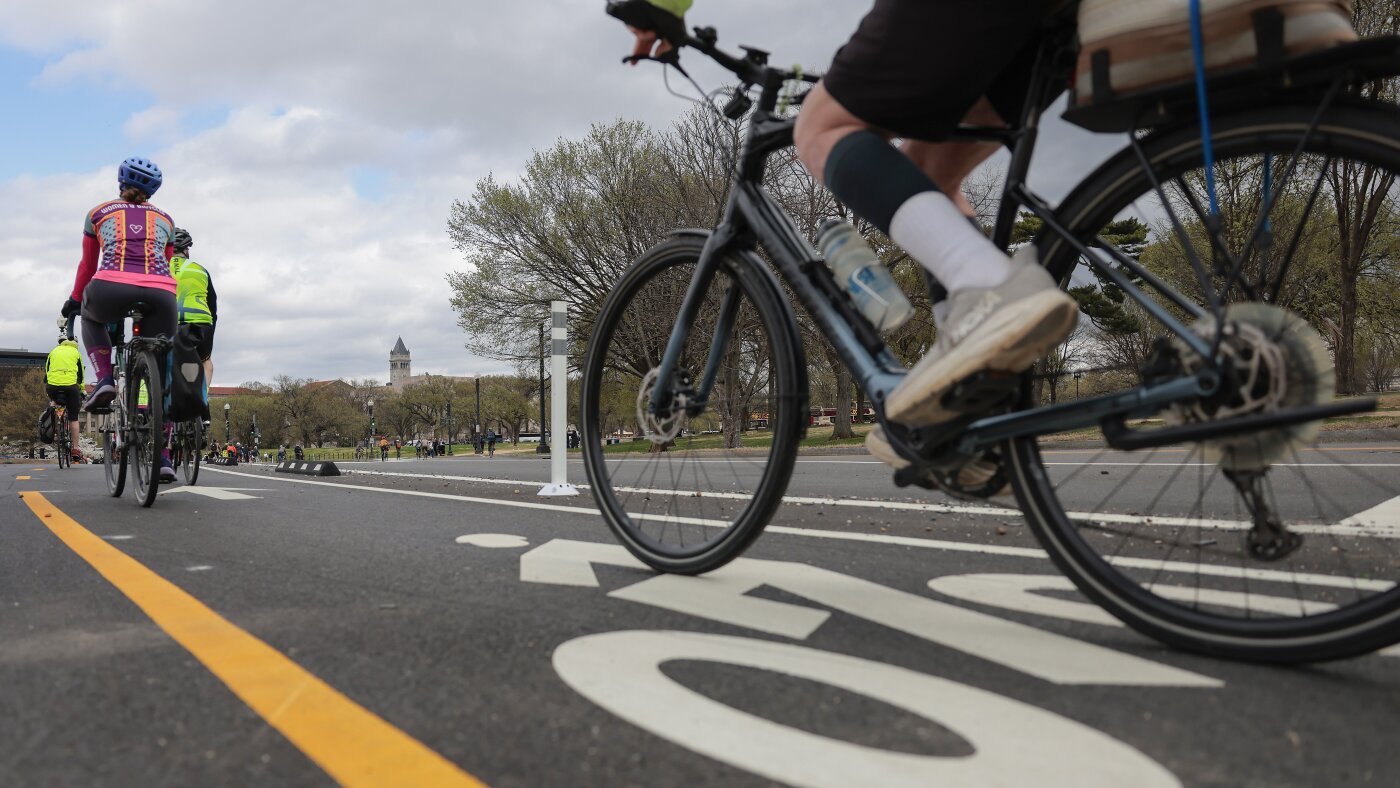
The Federal Highway Administration has quietly stripped bike lanes, speed cameras and several other measures from its official list of "Proven Safety Countermeasures," a catalog of strategies the federal government has long endorsed as effective ways to reduce crashes and save lives.
By last weekend, bike lanes and four other strategies had disappeared from the agency's website, according to a review of the changes. The FHWA said the revisions are part of a broader effort to ensure its safety recommendations "align with current DOT policies and the administration's priorities." The move drew swift criticism from transportation-safety advocates, who noted that the federal government itself had repeatedly acknowledged, in its own research, that bicycle lanes make roads safer for everyone.
The deletions come amid a wider campaign by the Department of Transportation against what Transportation Secretary Sean Duffy has derided as "DEI bike lanes," part of an effort to redirect federal transportation policy toward cars and highways and away from what the administration casts as ideologically driven urban planning. Duffy has previously signaled that projects favoring cyclists and pedestrians over drivers would face tougher scrutiny for federal support.
Safety experts warn that removing the strategies from the list sends a damaging signal to state and local governments that rely on the federal catalog as a technical benchmark when designing streets. The "Proven Safety Countermeasures" have carried a kind of federal seal of approval, giving local officials cover to install protected bike lanes or automated speed enforcement in the face of political opposition. Without that endorsement, advocates fear some jurisdictions will abandon projects that reduce fatalities.
Importantly, the list does not itself dictate how the federal government distributes money, so the immediate practical effect on funding is limited. But critics argue the symbolic weight is significant at a moment when U.S. roadway deaths — including a sharp rise in pedestrian and cyclist fatalities over the past decade — remain stubbornly high. Speed cameras, in particular, have been shown in numerous studies to cut dangerous speeding and reduce severe crashes.
The changes fit a pattern in which the administration has revised or removed technical guidance across federal agencies to reflect its policy preferences. Transportation researchers said the deletions amount to disregarding the government's own evidence base, calling the reversal a triumph of politics over data. The FHWA said its review is ongoing and that additional updates to its safety guidance could follow in the coming months.