Senate Passes College Sports Overhaul 77-22, Sending NCAA Bill to an Uncertain House
The Protect College Sports Act would write athlete pay, one free transfer and five years of eligibility into federal law. Critics led by Sen. Cory Booker say it strips athletes of their right to sue.
The Senate on Monday passed a sweeping bill that would put college athletics under a single federal rulebook for the first time, approving the Protect College Sports Act by a vote of 77 to 22 after weeks of debate that split Democrats.
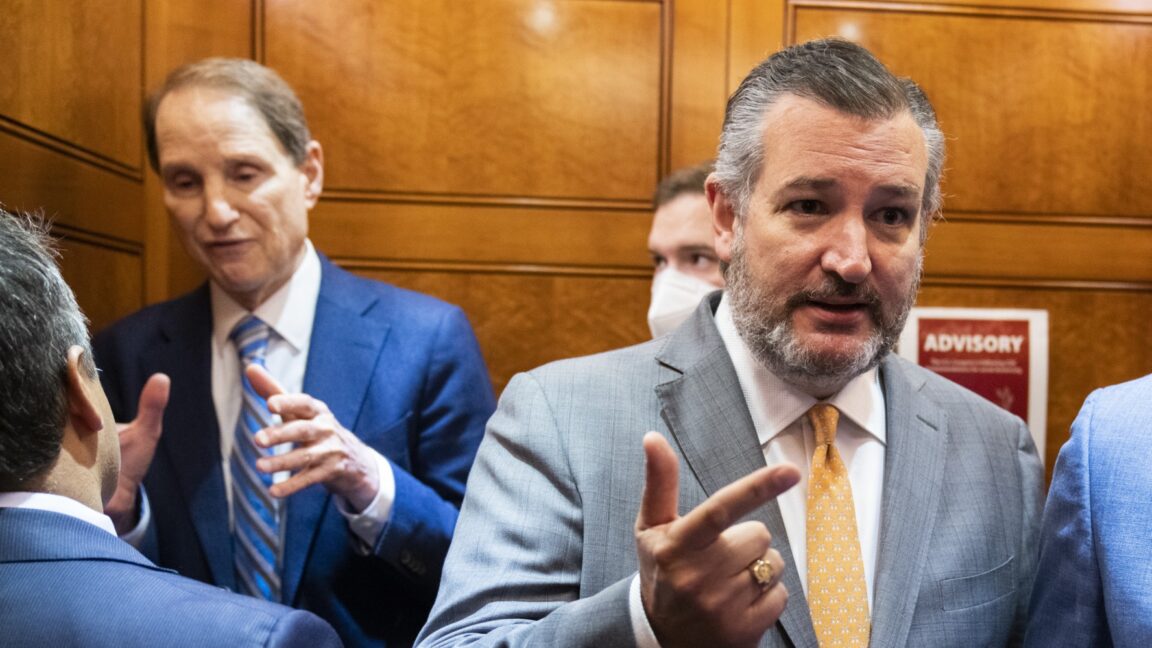
The bill, sponsored by Republican Sen. Ted Cruz of Texas with Democratic Sen. Maria Cantwell of Washington as its lead Democratic backer, sets national rules on transfers, eligibility and name, image and likeness pay. It now goes to the House, which is not scheduled to vote on any legislation until after the November midterm elections.
"The system we have today is unsustainable, plain and simple," Cruz said on the Senate floor. "Students are transferring three and four times, pros are trying to play ball against college kids, conflicting court decisions have created a fragmented system, one that no one intended." He said the bill is meant to stop the "uncontrollable bidding wars" that he warned could push schools to drop less lucrative sports.
The legislation adopts the revenue-sharing model from the landmark settlement that last year allowed schools to pay athletes directly, about $21.6 million per school for the 2026-27 year, plus an athlete retention fund of another $22.5 million per institution. It gives athletes one transfer without losing eligibility and a five-year window to play. It creates a federal right to earn NIL money that replaces the patchwork of state laws, caps agent fees at 5%, and guarantees scholarships for 10 years after an athlete's eligibility ends, so players can finish their degrees. Athletes could not lose a scholarship over an injury or poor performance. The bill also lets conferences negotiate TV deals as a group but bars them from growing past 19 teams, and it sets up an athlete commission to study questions like collective bargaining.
The NCAA thanked Cruz, Cantwell and Sens. Eric Schmitt and Chris Coons for "their bipartisan effort to protect this uniquely American tradition." The Big Ten and SEC conferences support the bill, and so does the White House. Senate Majority Leader John Thune called it the product of years of work with coaches, athletic directors and athletes.
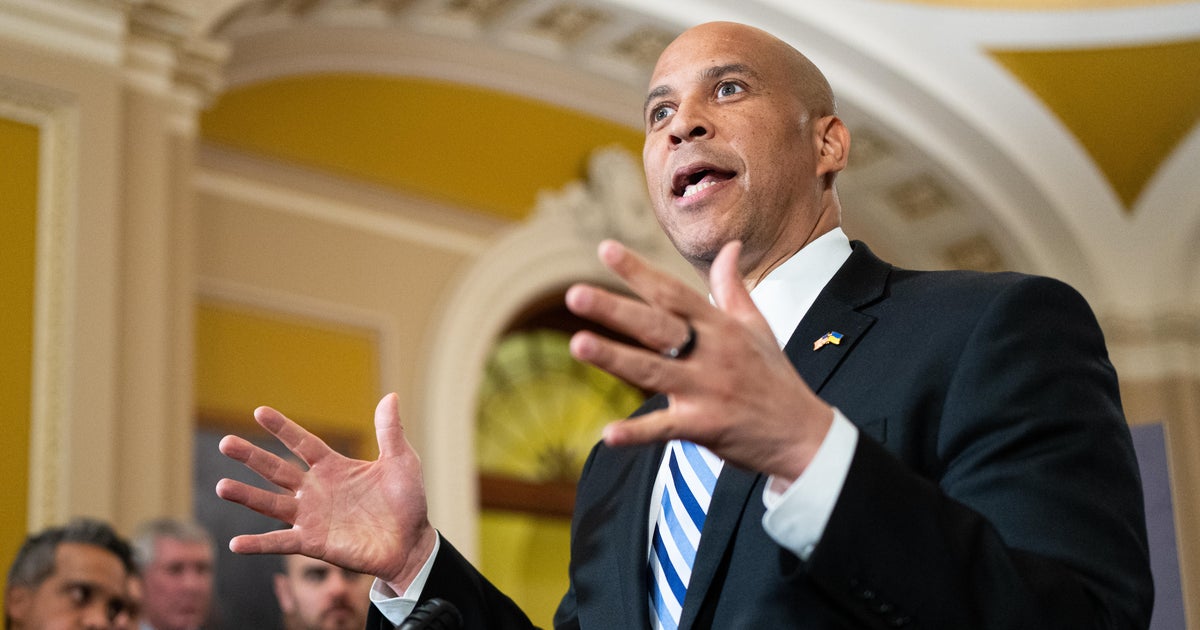
Opponents argue the bill hands the NCAA legal protection it could not win in court. Sen. Cory Booker of New Jersey, a former Stanford football player, said on the floor that he watched his own image appear in a Madden video game for years without being paid. "What this bill actually does is it takes away rights for them to legally challenge anything that the cartel of the NCAA does," Booker said. The Congressional Black Caucus said the bill "has failed to meaningfully incorporate the perspectives of Black athletes, Black coaches, Black agents, HBCUs, or the Congressional Black Caucus." Sen. Chris Murphy of Connecticut warned it protects an exploitative system.
Cantwell pushed back, noting that the settlement allowing direct athlete pay could eventually expire. "Us recognizing that money and recognizing the revenue sharing rights is a historic first," she said.
Some senators also questioned the timing, with the chamber about to leave Washington until after the midterms and voters focused on the cost of living. Senate Republican leaders had promised the bill's sponsors a vote after the August recess. CBS News' parent company, Paramount Skydance, has disclosed paying for lobbying on the legislation.