Ted Cruz and Ron Wyden Unite on Bipartisan JAWBONE Act to Fight Government Censorship
The unlikely political alliance aims to prevent federal agencies from pressuring private companies to suppress speech.
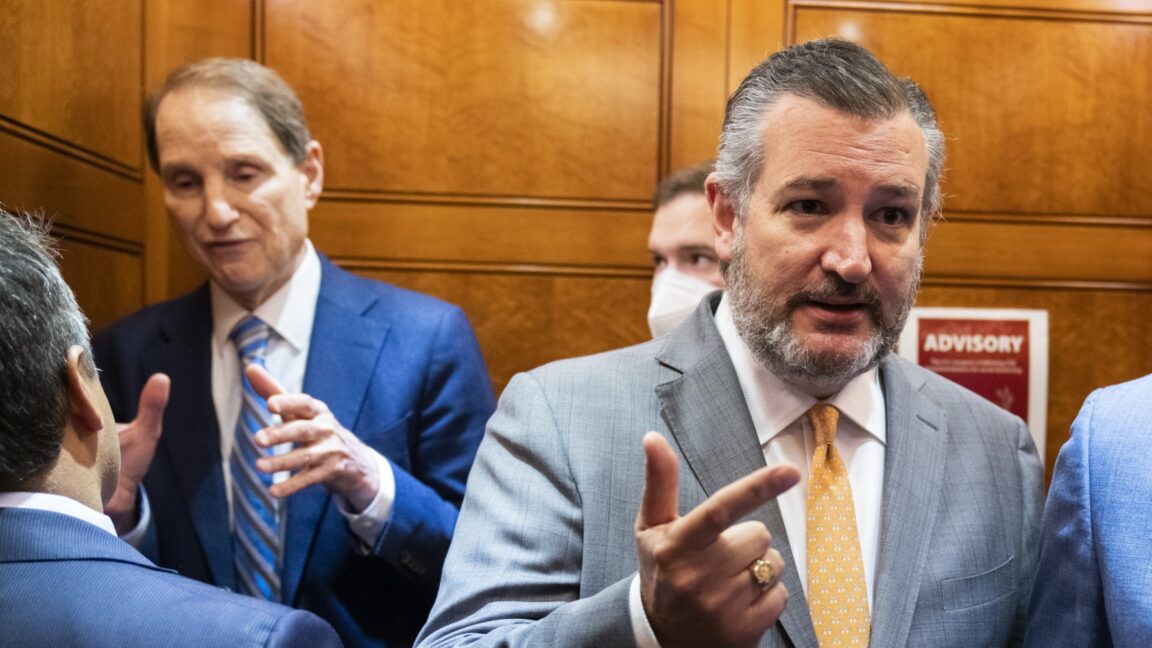
Senators Ted Cruz and Ron Wyden, representing opposite ends of the political spectrum, have joined forces to introduce the bipartisan JAWBONE Act, legislation designed to combat government censorship by preventing federal agencies from pressuring private companies to suppress speech. The unlikely alliance between the conservative Texas Republican and liberal Oregon Democrat reflects growing concern across party lines about government overreach in content moderation and free speech issues.
The JAWBONE Act specifically targets what lawmakers describe as "jawboning," a practice where government officials use informal pressure, threats, or coercion to influence private companies' content decisions without formal legal authority. The legislation would establish clear legal boundaries preventing federal agencies from using their regulatory power or other government leverage to encourage social media platforms, news organizations, or other private entities to remove, restrict, or suppress lawful speech.
Cruz and Wyden's collaboration represents a rare moment of bipartisan cooperation on technology policy, as both senators have expressed concerns about government influence over private platforms, albeit from different perspectives. Cruz has focused on alleged liberal bias in content moderation, while Wyden has emphasized protecting civil liberties and preventing government surveillance overreach. Their shared concern about government pressure on private companies has created common ground for legislative action.
The proposed legislation comes amid increasing scrutiny of the relationship between government agencies and social media platforms, particularly following revelations about federal requests for content removal during the pandemic and other politically sensitive periods. The bill would provide legal recourse for companies that face government pressure and establish penalties for federal officials who exceed their authority in attempting to influence private content decisions.
If enacted, the JAWBONE Act could significantly alter how federal agencies interact with private companies regarding speech and content issues. The legislation faces an uncertain path in Congress, where partisan divisions on technology policy remain deep despite this bipartisan effort. However, the Cruz-Wyden partnership signals potential for broader coalitions on digital rights issues, as concerns about government overreach increasingly transcend traditional party lines in the evolving landscape of online speech and platform governance.