Trump Says the U.S. Now Controls 65 Billion Barrels of Venezuelan Oil. He Did Not Say Who Owns the Company
The president called it 'THE BIGGEST OIL DEAL IN WORLD HISTORY' in a social media post, seven months after U.S. forces seized Nicolás Maduro. The announcement named no operator, no fields and no price.
President Donald Trump announced Friday that the United States has entered an agreement giving it control of more than 65 billion barrels of Venezuela's proven oil reserves, describing the arrangement in a social media post as "THE BIGGEST OIL DEAL IN WORLD HISTORY!"
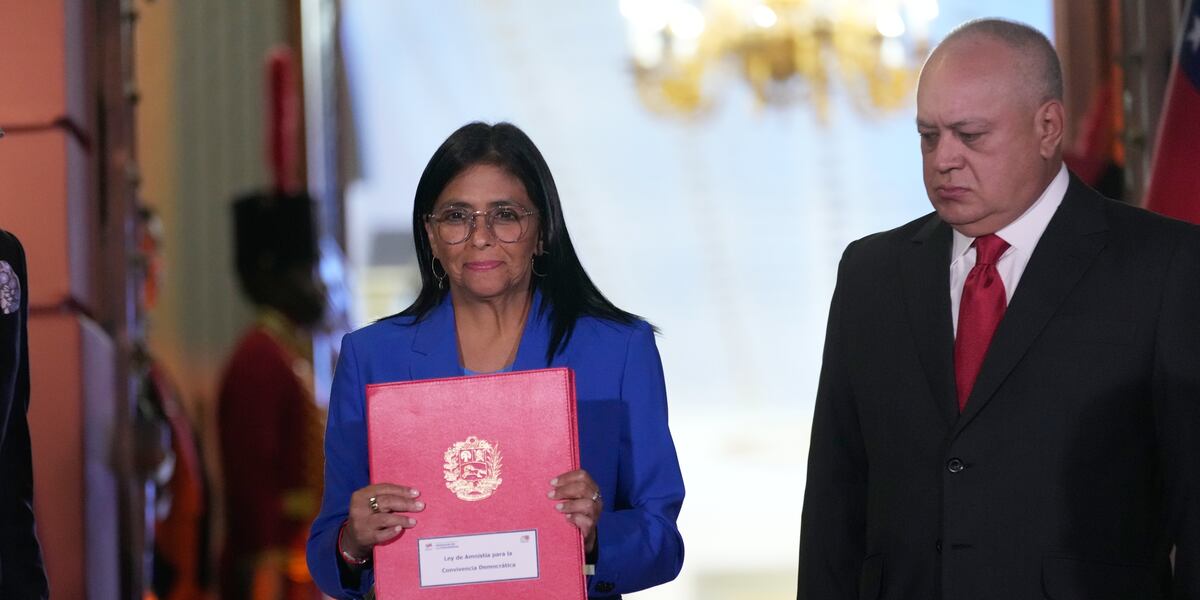
Trump said Secretary of State Marco Rubio and Defense Secretary Pete Hegseth negotiated the agreement with Venezuela's interim president, Delcy Rodríguez, and that it came "at no cost to the American Taxpayer." According to the president's account, the deal covers the development of 17 oil fields, gives the United States a 55% effective share of output through a newly created private company, and grants that company 100-year rights to develop the fields. Trump said the arrangement "will substantially lower gas prices for all Americans."
What the announcement did not include was the structure of the agreement, the name of the private operator that would run the company, which of Venezuela's fields are covered, or any mechanism explaining how the U.S. government would exercise majority control over reserves that sit inside another sovereign country. Trump said the deal could attract $100 billion in investment into Venezuela's oil industry and generate more than $209 billion in tax revenue for Caracas over its life, figures the White House has not documented publicly.
Venezuela holds roughly 303 billion barrels of proven crude reserves — about 17% of the world's total, the largest of any country. It pumps close to 1% of global supply. The gap is a matter of hardware, not geology: decades of underinvestment, sanctions and the departure of foreign operators left the state oil company's refineries, pipelines and heavy-crude upgraders in poor condition. The Orinoco Belt crude that makes up most of those reserves is thick, sour and expensive to process, which is why 65 billion barrels on paper does not translate into barrels at a U.S. pump on any near timeline.
The announcement lands seven months after a January military operation in which U.S. forces captured Venezuelan President Nicolás Maduro and flew him to the United States, where he faces federal narcoterrorism and drug-trafficking charges. Rodríguez, who had served as vice president, has run the government in the interim. A federal judge in New York set Maduro's trial for June 2027.
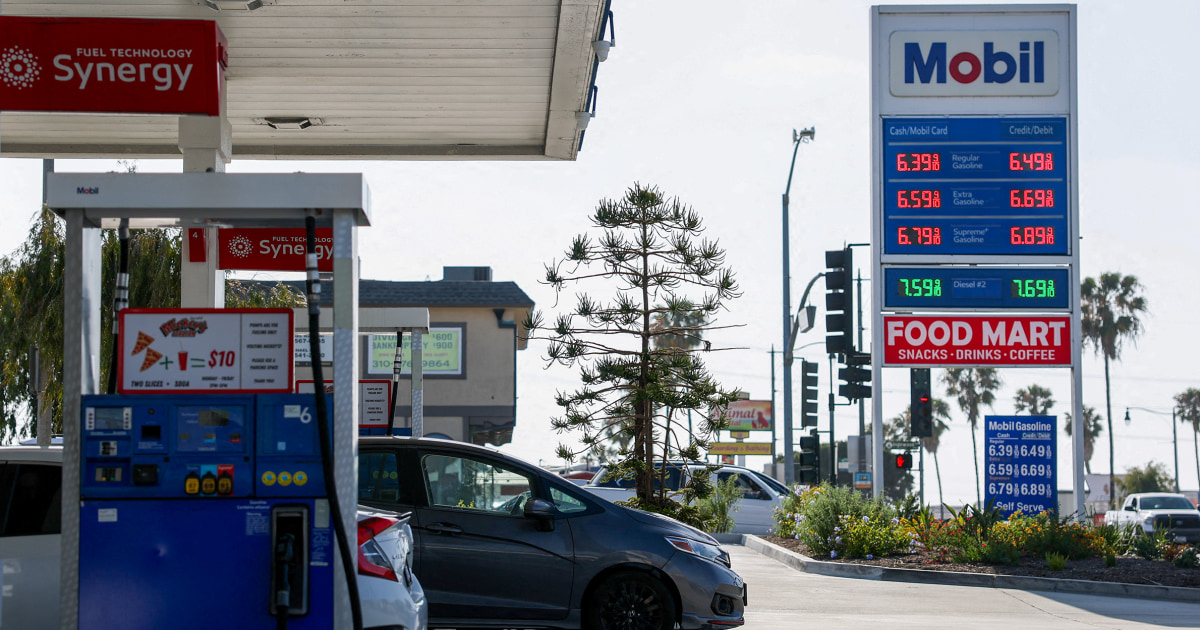
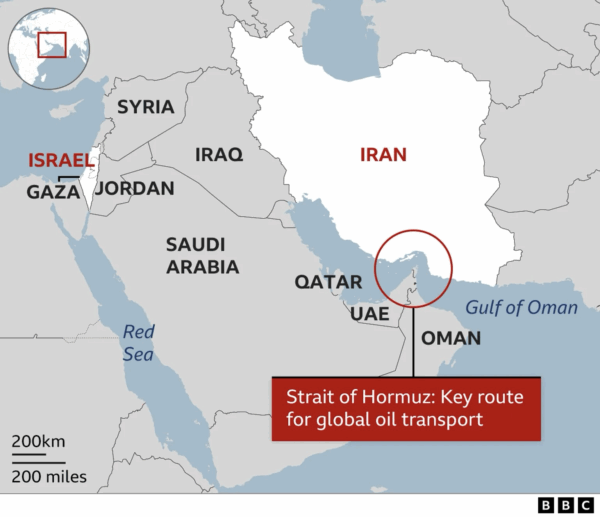
It also lands in the middle of a domestic energy squeeze. The United States is six months into an armed conflict with Iran that has closed the Strait of Hormuz to normal traffic, and the Strategic Petroleum Reserve has been drawn down to below 300 million barrels — a decline of more than 100 million barrels since the start of 2026. Inflation data released this month showed gasoline still running roughly a quarter more expensive than a year earlier, and Federal Reserve Chair Kevin Warsh warned Friday that the central bank would have "work to do" if price pressure does not fade.
Trump has argued for years that Venezuela owes the United States compensation for oil assets nationalized under former President Hugo Chávez, when foreign majors including ConocoPhillips and ExxonMobil were forced out of Orinoco projects. Those companies spent more than a decade in international arbitration over the seizures. Neither the White House nor the State Department released a text of Friday's agreement, and Rodríguez's government did not immediately confirm the terms Trump described.