Gas Prices Surge to $4.39 Per Gallon in Biggest Jump Since Iran Ceasefire
The national average rises in the largest one-day increase recorded since the April 7 ceasefire announcement, signaling renewed market volatility.
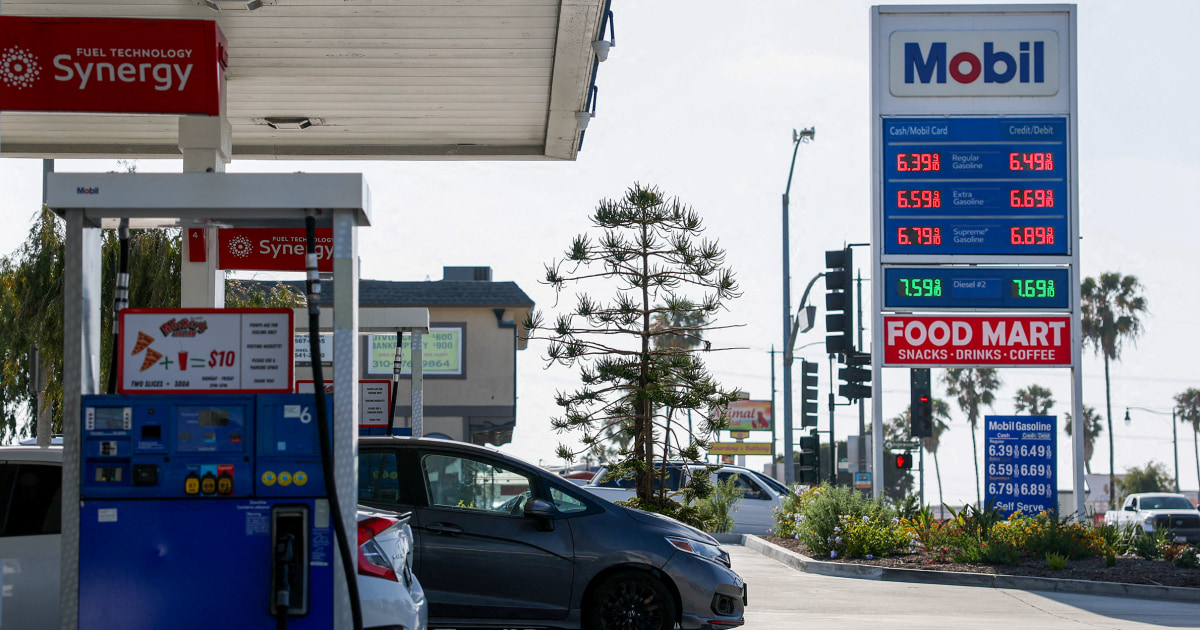
Gasoline prices across the United States jumped dramatically to reach a national average of $4.39 per gallon, marking the biggest single-day increase since a ceasefire with Iran was announced on April 7. The sharp rise reflects renewed volatility in energy markets as geopolitical tensions continue to impact global oil supplies and domestic fuel costs, despite previous hopes that the ceasefire would bring sustained price relief.
The sudden price spike caught many consumers off guard, particularly those who had grown accustomed to relatively stable prices in recent weeks following the ceasefire announcement. Gas stations in major metropolitan areas reported long lines as drivers rushed to fill their tanks before prices could climb even higher. Some regions experienced even steeper increases, with certain areas seeing prices approach or exceed $5.00 per gallon.
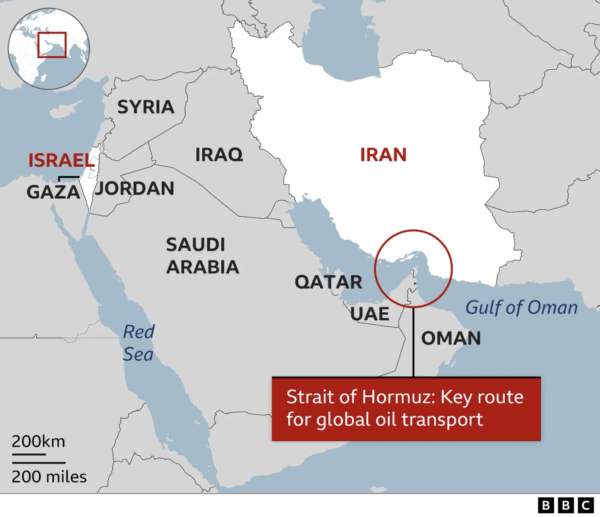
Energy market analysts attribute the price surge to several converging factors, including uncertainty about the durability of the Iran ceasefire, ongoing supply chain disruptions, and seasonal demand patterns that typically drive prices higher during spring and summer months. The Iran conflict had previously caused significant disruptions to global oil markets, and recent developments suggest that energy traders remain nervous about the potential for renewed hostilities.
The price increase comes at a particularly challenging time for American consumers, who are already dealing with broader inflationary pressures across multiple sectors of the economy. Transportation costs represent a significant portion of household budgets, and the sudden jump in gasoline prices is likely to ripple through the economy, affecting everything from commuting costs to the price of goods that depend on trucking for delivery.
Industry experts warn that the situation remains highly fluid, with prices potentially subject to further volatility depending on developments in the Middle East and global oil markets. The Biden administration had previously released strategic petroleum reserves to help stabilize prices, but officials have indicated that those reserves are now at historically low levels, limiting the government's ability to intervene directly in fuel markets. Consumer advocacy groups are calling for increased oversight of oil company pricing practices amid concerns about potential price manipulation during periods of market uncertainty.