Oil Prices Plunge 15% as Markets Rally on Trump Iran Ceasefire Announcement
Dramatic reversal from Tuesday's $117 peak sends energy futures tumbling while stock futures surge on diplomatic breakthrough.
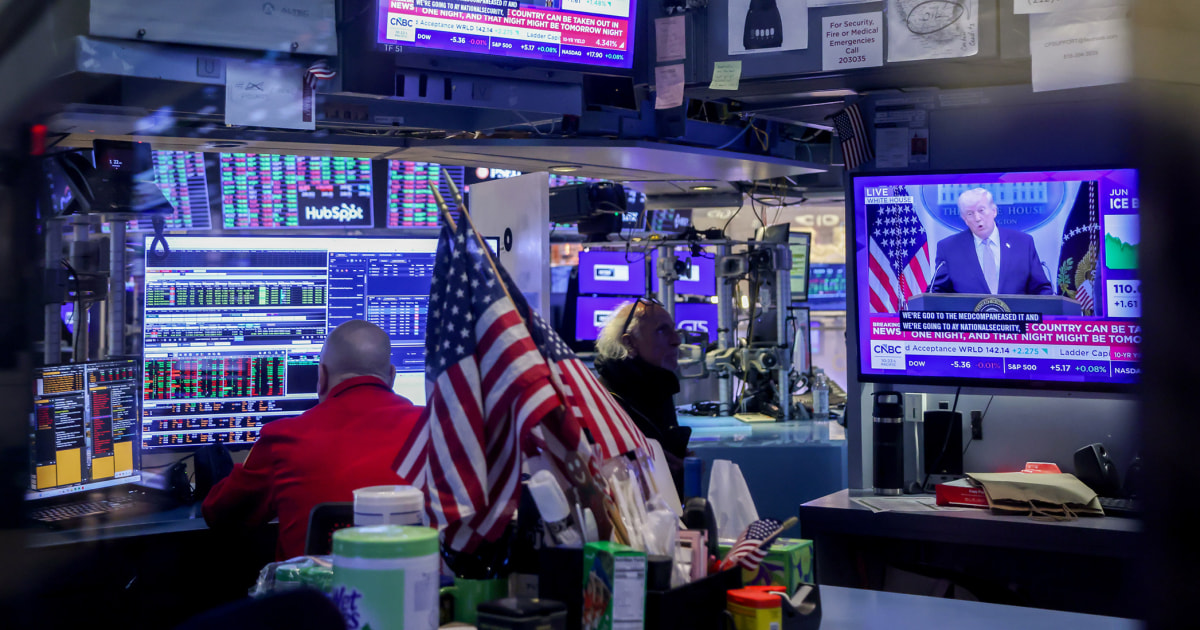
Oil prices plummeted by roughly 15 percent Monday after President Trump announced a two-week ceasefire with Iran, triggering a massive relief rally in global financial markets that had been under extreme stress since the US-Iran conflict began disrupting shipping through the Strait of Hormuz nearly six weeks ago.
West Texas Intermediate crude, the US benchmark, fell from above $112 per barrel earlier in the day to approximately $96 per barrel following the ceasefire announcement — a single-session drop of approximately $16, among the largest daily declines in crude oil prices in recent years. Brent crude, the international benchmark, saw a similarly dramatic fall. The moves erased much of the war premium that had accumulated in oil markets since February, when American and Israeli forces began strikes on Iran and Iran retaliated by using mines and naval assets to restrict tanker traffic through the Strait of Hormuz, the narrow waterway through which approximately 20 percent of the world's oil and natural gas passes.
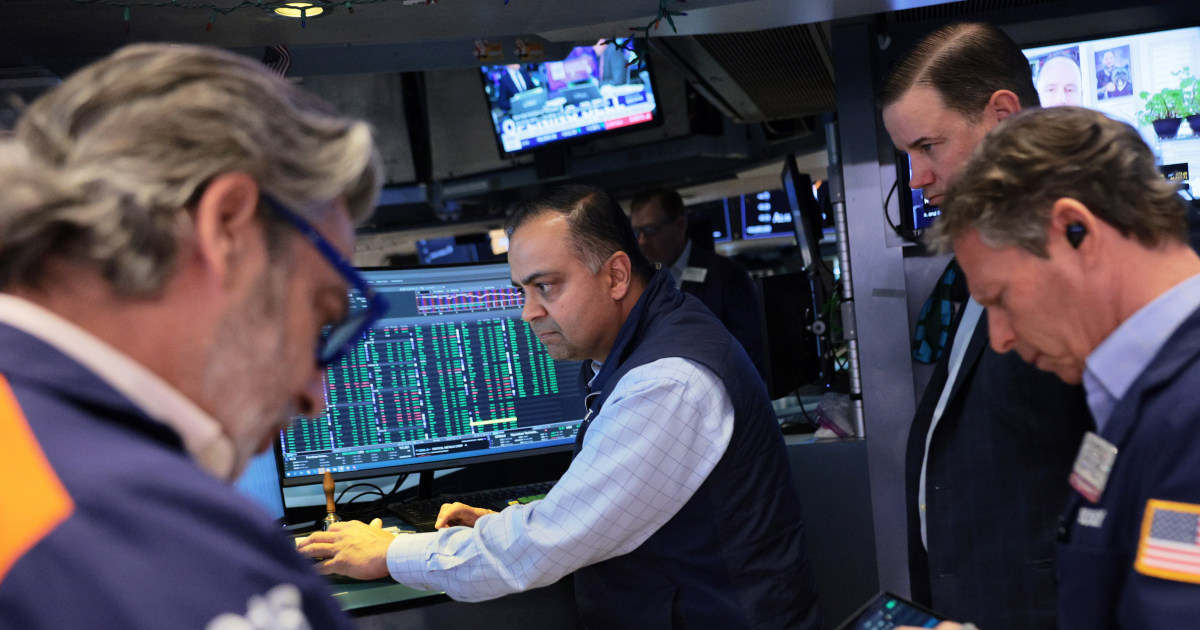
Equity markets surged in tandem with the oil price drop. The S&P 500 jumped more than two percent in after-hours trading following the ceasefire announcement. Airline stocks, which had been hammered by elevated jet fuel costs, were among the biggest gainers. Energy sector stocks pulled back sharply as crude prices fell, with oil majors including ExxonMobil and Chevron giving up gains accumulated during the conflict period. Gold prices, which had risen to record highs as a war safe haven, fell modestly.
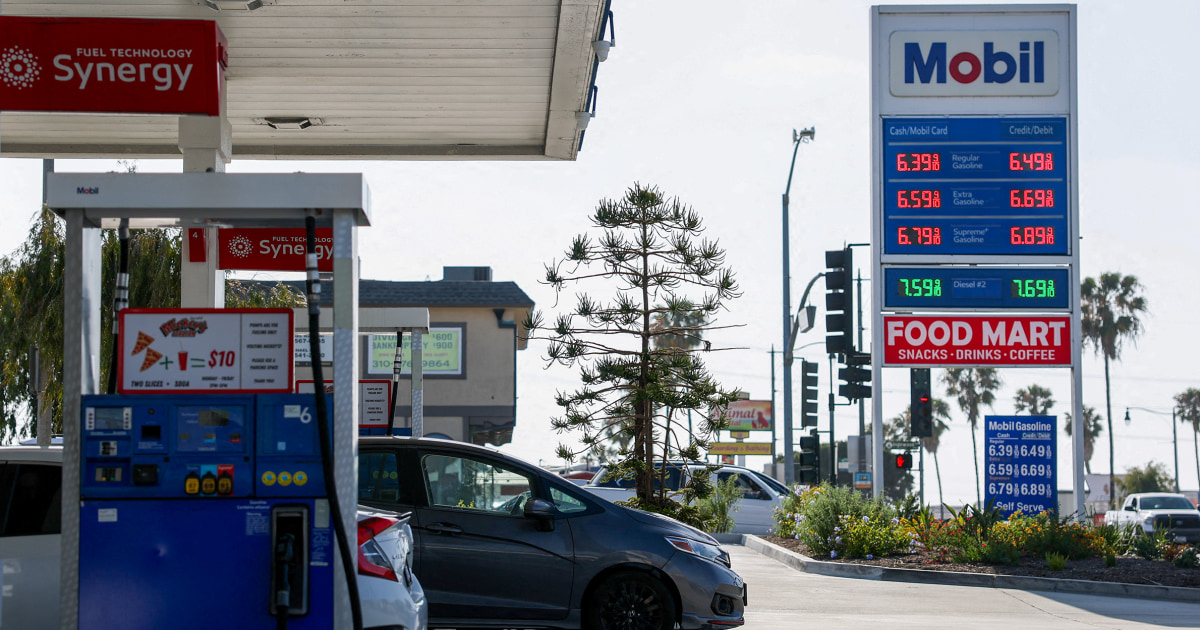
The US Energy Information Administration had, earlier in the day, raised its forecast for gasoline prices, projecting they would peak at $4.30 per gallon this month before the ceasefire was announced. Futures markets immediately began pricing in lower prices at the pump, though analysts cautioned that pump prices typically lag crude movements by one to two weeks. With the Strait of Hormuz expected to reopen to full commercial traffic as part of the ceasefire terms, the most severe supply disruption fears eased quickly.
Currency markets reflected the same shift. The US dollar weakened against most major currencies as global risk appetite returned, while the Iranian rial strengthened. The Saudi riyal and UAE dirham held steady as Gulf sovereign wealth funds, which had been reviewing exposure to US assets during the conflict's most intense phase, signaled they would maintain existing investment positions.
Analysts cautioned that the ceasefire is only two weeks long, and that peace talks in Islamabad beginning Friday face formidable obstacles. Iran's core demands — withdrawal of US forces, sanctions relief, and permanent guarantees over the Strait of Hormuz — remain far from any agreed settlement. "Oil markets are celebrating a pause, not a peace," said one senior energy markets strategist. "If those talks fail, we're right back where we were this morning." The IMF, which had earlier warned that the Iran conflict would cause "higher prices and slower growth" globally, said it would need to revise its forecasts once the durability of the ceasefire became clearer.