For the First Time Since the Pandemic, the World Is About to Burn Less Oil — and a Glut Is Coming
The International Energy Agency says the Iran war has destroyed demand faster than it has choked supply, cutting 2026 global oil consumption by roughly a million barrels a day and setting up a surplus in 2027.

For the first time since the depths of the COVID-19 pandemic in 2020, the world is on track to consume less oil this year than last — a striking reversal that the International Energy Agency attributes to the economic fallout of the war between the United States and Iran.
In its latest monthly Oil Market Report, the IEA said global oil demand is now set to decline by about 1 million barrels per day year-on-year in 2026, slashing its outlook by roughly 700,000 barrels a day from just a month earlier. It is a rare forecast of an outright annual contraction in oil use, an event that has historically accompanied only severe global shocks. The agency said the drop reflects the combined weight of elevated fuel prices and shortages of refined products, evidence that the conflict has morphed from a simple supply disruption into a broader episode of demand destruction.
Paradoxically, the war has left crude prices lower, not higher, than before it began. North Sea Dated, a key global benchmark, plunged by about $31 a barrel over the course of the month to roughly $68 by early July — its lowest level since January and around $2 below pre-war prices. With demand weakening faster than production, the IEA now expects the global oil market to flip from shortage to surplus by year-end and to carry a substantial glut into 2027.
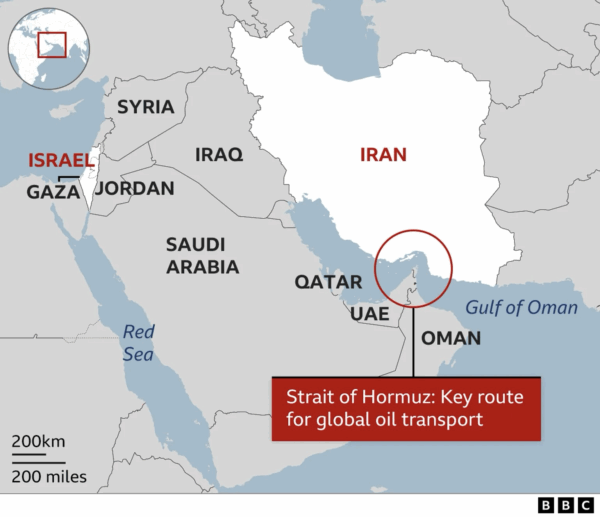
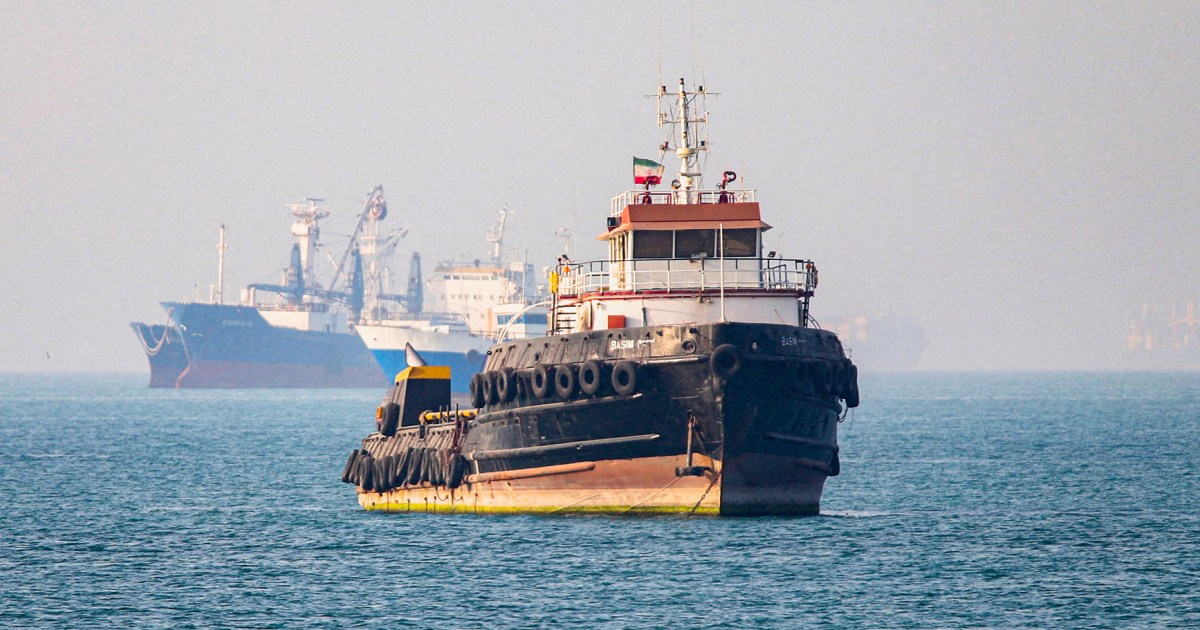
That outlook, however, rests on a fragile assumption: that a ceasefire holds and the Strait of Hormuz, the chokepoint through which a fifth of the world's oil flows, gradually reopens to normal traffic. Recent events have made that far from certain. A fresh escalation in hostilities on July 7 and 8 — including attacks on shipping and a slowdown of traffic through the strait to a trickle — clouds the forecast and could upend the agency's expectation of a coming surplus.
The report captures the peculiar economics of an energy market whipsawed by geopolitics. Traders had braced for a supply shock and soaring prices when the fighting intensified; instead, the damage to consumers, refiners and the broader global economy has been severe enough to sap appetite for fuel, dragging demand down even as barrels remain harder to move through the region.
For policymakers and energy-importing economies, the numbers are a double-edged sword. Cheaper oil offers some relief from inflation, but a demand slump driven by war-fueled economic pain is hardly a healthy foundation. And with the Hormuz outlook hanging on a truce that keeps fraying, the IEA warned that its own forecast could be rewritten by the next round of strikes.