Nine Months Into a Ceasefire, Israel Now Controls Nearly 70% of Gaza — and the Line Keeps Moving
A satellite analysis finds the Israeli military has expanded from roughly half the territory to almost 70% since the October truce, squeezing two million Palestinians into a shrinking western strip.

Nine months after a U.S.-brokered ceasefire was supposed to freeze the war in Gaza, the Israeli military now controls close to 70% of the territory, according to a satellite analysis of the maps that aid groups are required to follow — a steady, largely quiet expansion that has redrawn the map of the enclave without a formal resumption of full-scale fighting.
When the truce took effect in October, Israeli forces held roughly half of Gaza along what became known as the "yellow line," the boundary separating Israeli-controlled ground from areas administered by Hamas. In the months since, that line has crept deeper and deeper into the strip. Analysts tracking the shifting perimeter say control grew to about 60% and has now reached nearly 70%, including neighborhoods such as al-Shujaiya on the eastern edge of Gaza City.
The consequence is a dramatic compression of civilian life. Roughly two million Palestinians are now squeezed into the remaining western sliver of Gaza along the Mediterranean coast, an area that keeps contracting as the military widens buffer zones and issues new evacuation instructions. Aid organizations say they must constantly redraw their own operational maps to match the Israeli lines, complicating the delivery of food, water and medical supplies to a population already battered by more than a year of war.
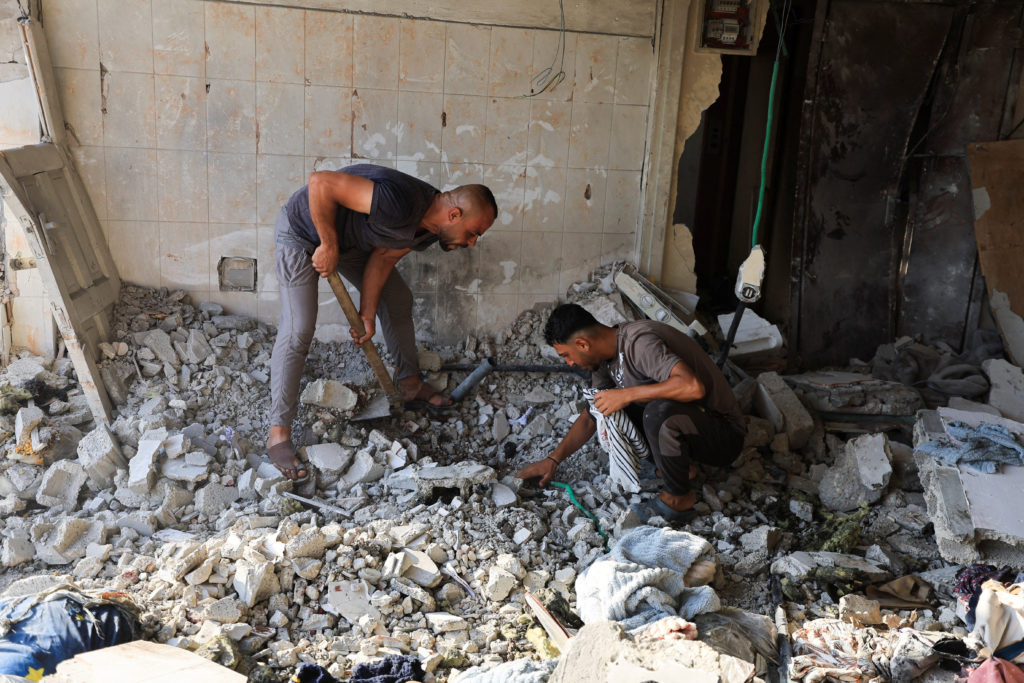
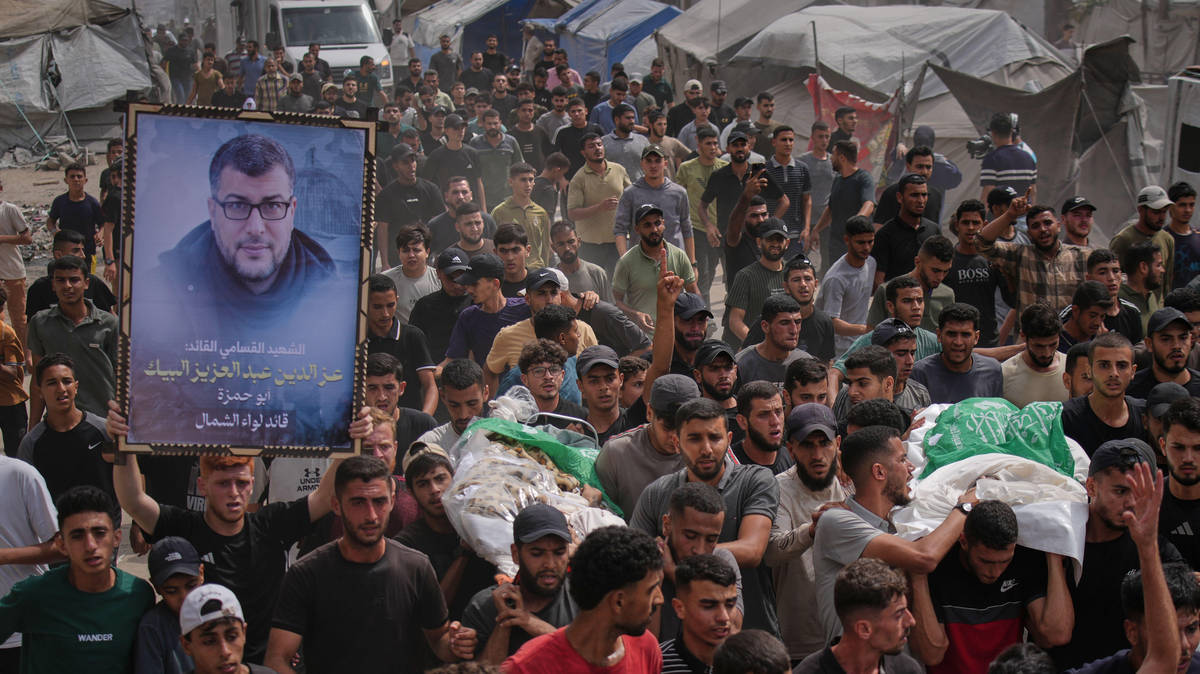
The expansion has come at a human cost even under the banner of a ceasefire. The United Nations humanitarian office says around 200 Palestinians have been killed by Israeli forces since the truce began, many of them in areas close to the military's advancing lines, where the boundaries of what is permitted are blurred and shifting. Residents describe a landscape of rubble and improvised shelters, with families displaced again and again as the safe zone shrinks around them.
Israeli officials have justified the deeper push as necessary to dismantle militant infrastructure and protect Israeli communities, and they point to the continued presence of armed factions inside Gaza. But the creeping annexation of ground under cover of a formal ceasefire has alarmed humanitarian workers and diplomats, who warn that a truce in name is masking a slow-motion transformation of the territory on the ground.
The situation underscores how fragile and ambiguous the current arrangement remains. Fighting has not fully reignited, but the trajectory — more territory under Israeli control, less space for civilians, and a boundary that only moves in one direction — raises hard questions about what the ceasefire is actually preserving, and for whom.