Venezuela Cut Israel Off in 2009 Over Gaza
After an Earthquake and a Toppled Government, the Consulates Are Reopening.
Foreign ministers Gideon Saar and Felix Plasencia agreed Tuesday to a coordination channel that restores consular services between the two countries for the first time since Hugo Chavez severed ties.

Israel and Venezuela announced on Tuesday that they have agreed to restore consular relations, ending a 17-year freeze that began when Hugo Chavez expelled Israel's ambassador from Caracas in January 2009 in protest of Israeli military operations in Gaza. The agreement was reached after weeks of talks between Israeli Foreign Minister Gideon Saar and Venezuelan Foreign Minister Felix Plasencia, and establishes what both governments described as an official coordination channel allowing each country to provide consular services to its citizens in the other.
This is not the restoration of full diplomatic relations, and neither side claimed it was. There is no exchange of ambassadors and no reopening of embassies. What the arrangement does is comparatively narrow and comparatively immediate: it lets Venezuelans in Israel and Israelis in Venezuela handle passports, documents, notarizations, and the ordinary administrative machinery of citizenship without routing everything through a third country, which is how both populations have coped since 2009.
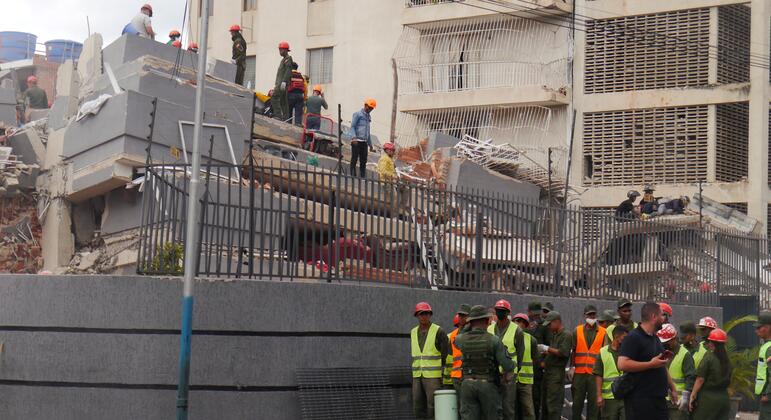
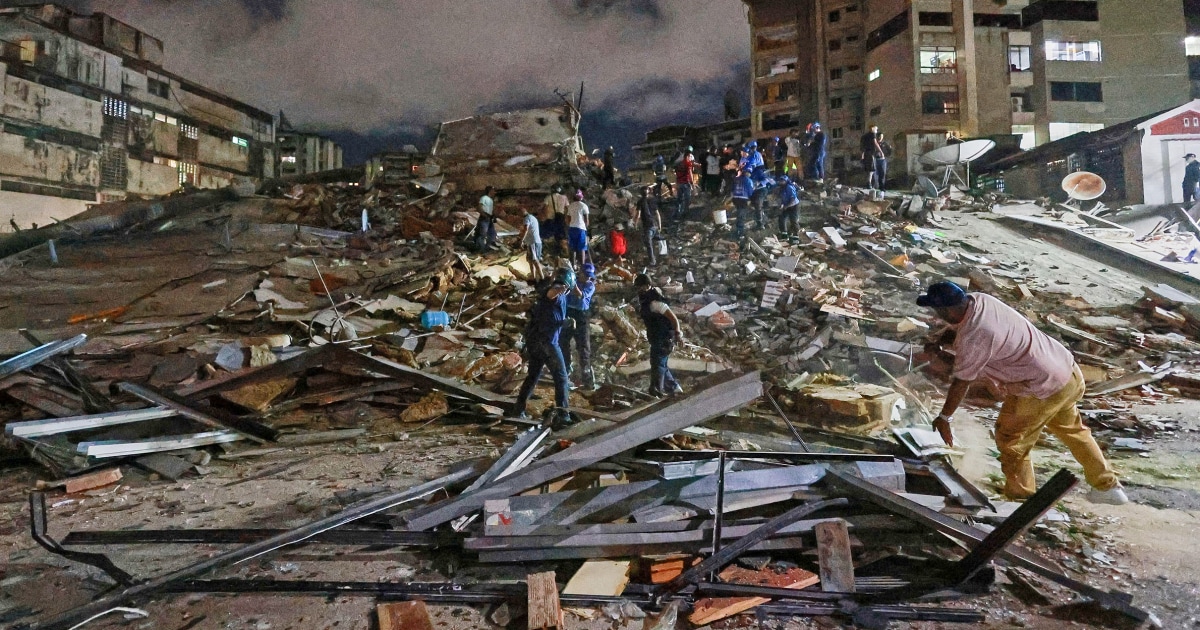
The thaw traces to a disaster. On June 24, twin earthquakes struck Venezuela, killing an estimated 5,000 people and displacing far more. Israel deployed an aid and disaster-response delegation, one of a number of foreign teams that worked in the country through the summer, and Israeli officials say the mission helped tens of thousands of Venezuelans get back to their homes. Working relationships built in the field between the two foreign ministries turned into the talks that produced Tuesday's announcement, and both sides said they would continue cooperating on emergency response and reconstruction.
It also arrives during the most dramatic reorientation of Venezuelan foreign policy in a generation. Nicolas Maduro was removed from power in a U.S. military operation in January and now faces trial in New York. The interim government led by Delcy Rodriguez has spent the months since dismantling or quietly abandoning a set of alignments that defined Venezuelan diplomacy for two decades, and re-engaging with Israel is among the more legible signals it has sent.
Venezuela's Jewish community, which numbered roughly 25,000 before Chavez took office and has shrunk to a fraction of that after years of emigration, treated the announcement as overdue. Dr. Miguel Truzman, national coordinator of the Confederation of Jewish Associations of Venezuela, called it a beginning rather than an end. "Today, a new era begins, taking a first step in the consular area," he said, adding that he expects "in the near future, diplomatic relations between both nations will be fully restored."
For families in Caracas, the practical relief is mundane and real. Consular paperwork that previously required travel or intermediaries -- renewing documents, registering births, arranging travel to see relatives -- moves back inside a formal channel. Whether that channel widens into embassies again will depend on decisions that neither foreign ministry has yet made public.