Federal Judge Blocks Trump Order Creating Federal Voter List and Limiting Mail Ballots
U.S. District Judge Indira Talwani ruled the president's bid to build federal voter rolls and restrict mail-in voting unconstitutional, writing that 'the Constitution does not grant the President any specific powers over elections.'
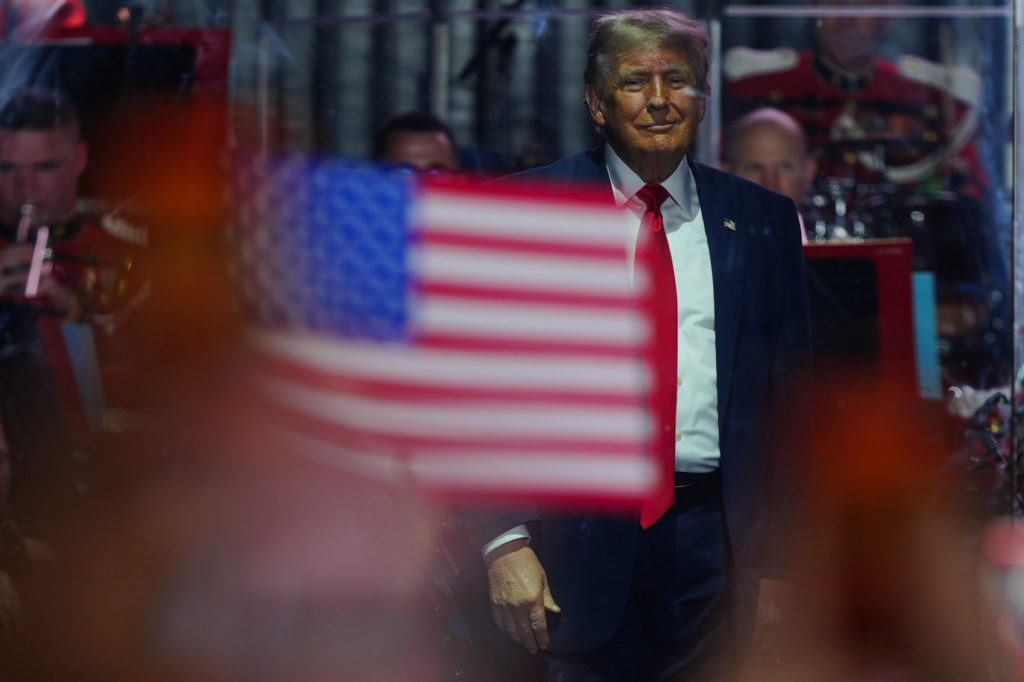
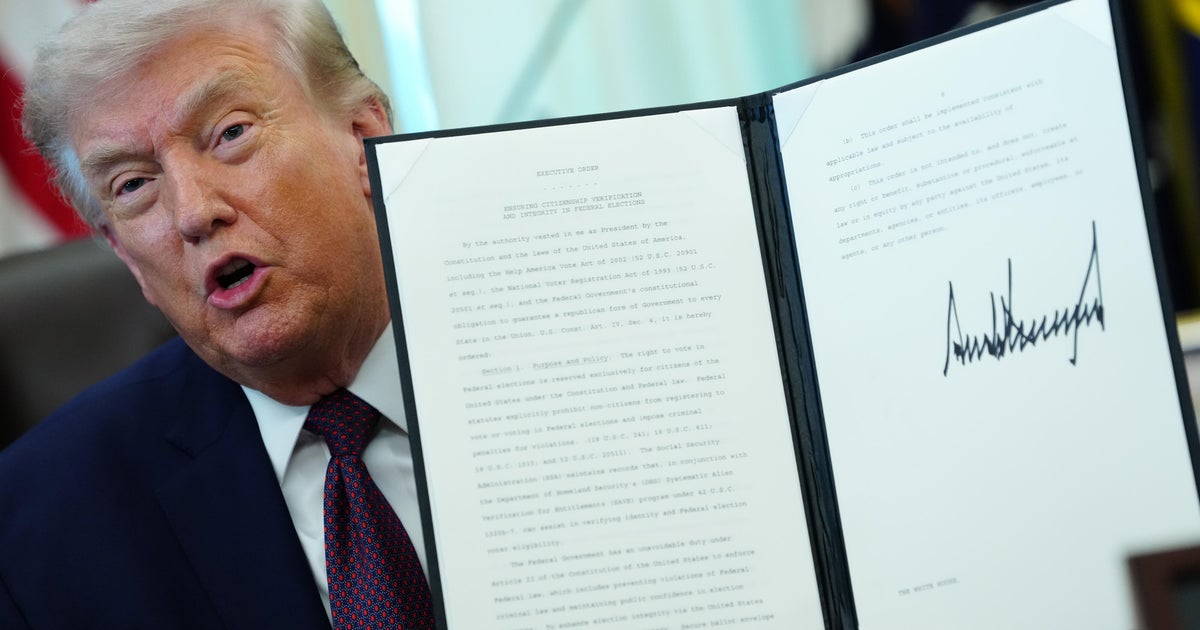
A federal judge in Boston on Thursday blocked key parts of President Donald Trump's executive order on mail voting, declaring his attempt to intervene in state-run elections unconstitutional and handing the administration its latest legal defeat over its election agenda. The order would have created federal lists of voters and directed the U.S. Postal Service to deliver mail-in ballots only to people on those lists.
U.S. District Judge Indira Talwani, an appointee of former President Barack Obama, ruled that the directive violated the constitutional separation of powers. "The Constitution does not grant the President any specific powers over elections," Talwani wrote, emphasizing that authority over the time, place and manner of elections rests with the states and Congress, not the executive branch. Her ruling applies to this year's midterm election cycle.
The blocked order was among several election-related actions Trump has issued in his second term as he presses for tighter voting rules ahead of the November midterms. The plan to compile federal voter rolls and route mail ballots through them, the judge found, would have inserted the president directly into the machinery of elections that the Constitution reserves to state officials.
The decision came one day after a separate ruling from a federal judge in Boston permanently barred Trump from implementing the first election order he signed in his current term, which sought to require voters to show documentary proof of citizenship when registering. Together, the two rulings represent a sweeping judicial rebuke of the administration's effort to reshape federal election administration through executive action.
The legal fights are unfolding against the backdrop of Trump's push for the SAVE America Act, a Republican-backed bill that would impose proof-of-citizenship requirements and other restrictions nationwide. The president has tied his cooperation on other legislation to the bill's passage, framing it as a "national emergency," even as courts have repeatedly found that his unilateral attempts to achieve similar goals exceed presidential authority.
Election-law experts said the back-to-back rulings reinforce a principle the Supreme Court has long recognized: that the Constitution's Elections Clause assigns the rules of federal elections to state legislatures and Congress, leaving the president little direct role. Several states had warned that complying with the order would force them to overhaul voter-registration systems and mail-ballot procedures just months before voters head to the polls, sowing confusion among election officials and the public alike. Legal analysts noted that an appeal would likely land before the First Circuit Court of Appeals, and potentially the Supreme Court, on an expedited timeline given the looming election calendar.
Voting-rights organizations, which had challenged the orders, welcomed Thursday's decision as a check on executive overreach. Administration officials signaled they were likely to appeal, setting up a continued clash over who controls the rules of American elections heading into a high-stakes midterm season.