Serbia Votes Sunday in Its Closest Election in 14 Years as Students Challenge Vucic
A leaderless, student-built ticket born of a deadly station collapse is running neck and neck with the ruling party, and analysts fear both sides could claim victory.
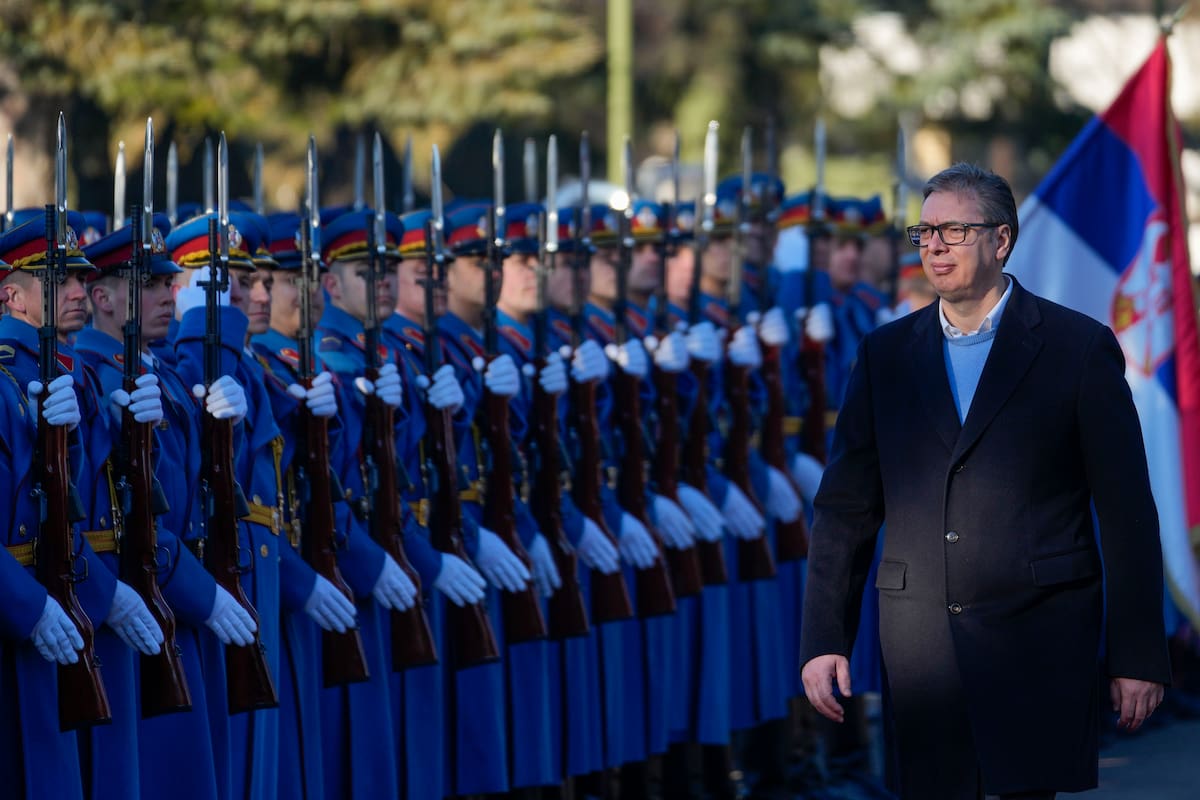
BELGRADE, Serbia — Serbians vote Sunday in early parliamentary elections that pit the country's powerful populist leader, Aleksandar Vucic, against a student-led movement that has spent nearly two years in the streets.
Vucic resigned as president last month because he cannot serve a third term. He wants to return as prime minister and extend the 14-year rule of his Serbian Progressive Party, known as the SNS. Standing in his way is the Students' List, a ticket that emerged from the anti-corruption protests and is believed to be running close to the ruling party. The closeness of the race has raised fears of unrest.
The movement began after a concrete canopy collapsed at the recently renovated railway station in Novi Sad in November 2024, killing 16 people. Students blamed rampant corruption for the disaster and demanded accountability. The protests spread, forced the collapse of a government and rattled Vucic, who had built his image on infrastructure projects and strongman leadership. "The government expected the protests to die down after the initial spark," Magda Anastasijevic, an Eastern Europe analyst at the conflict monitor ACLED, told NPR. "This was not the case for the canopy."
The movement has no leader and not even a spokesperson. Decisions are made at plenums, or faculty assemblies, across the country. The Students' List picked its candidates for the 250-seat Parliament through proposals and a vetting process held at every university. They include a few familiar names and many first-time candidates: teachers, professors, economists, athletes, farmers and artists. Among them is Mihail Dudas, who competed in the decathlon for Serbia at two Olympic Games. About 150,000 people attended the list's final rally in Belgrade, according to NPR.
Vucic has fought back with detentions, accusations of anti-state activity and alleged surveillance. The students said this week that their meetings are being monitored and that authorities plan new detentions. Vucic has accused his opponents of plotting to steal the election, even though his party controls the election authorities and the judiciary. Observers have long noted that Vucic dominates the media and uses state resources for his campaign, and the SNS has been accused of election irregularities including pressuring and bribing voters and inflating voter lists. The party denies the allegations.
International election monitors and the European Union have voiced concern about the safety and fairness of the vote. Analysts fear that both sides could declare victory on election night and that Vucic would not concede if he loses.
At a rally in Novi Sad, Vucic told supporters, "We're going out there to win," promising "our biggest landslide victory yet." The students dispute that. "Students have shown clearly that they are the force, both as a generation and politically, that can bring about change," said Aleksandra Krstic of Belgrade's Faculty of Political Sciences. She added, "we all fear extreme violence."
Serbia has 6.4 million voters. For the first time in 14 years, the outcome is genuinely uncertain.