Russia Pressures University Students to Become Wartime Drone Pilots
Moscow implements program requiring students to train as military drone operators as part of expanding wartime mobilization efforts.
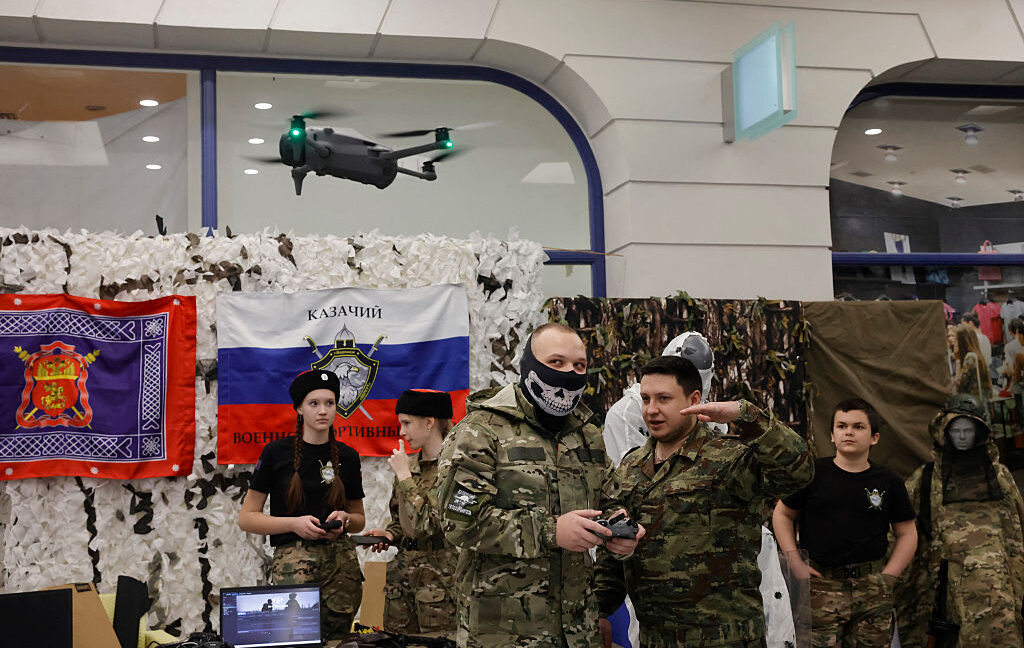
The Russian government is implementing a new program that pressures university students across the country to become military drone pilots, marking a significant expansion of Moscow's wartime mobilization efforts. The initiative represents the latest attempt by Russian authorities to address military personnel shortages while drawing civilian educational institutions directly into the war effort.
Under the new program, universities are being directed to establish drone pilot training courses as part of their regular curriculum, with students facing pressure to participate regardless of their academic field of study. The training covers both surveillance and combat drone operations, preparing students for potential deployment in active military operations. University administrators have been instructed to promote the program as a patriotic duty and career opportunity for students.
The drone pilot initiative reflects Russia's growing reliance on unmanned aerial vehicles in its military operations and the urgent need for trained operators to manage an expanding fleet of drones. Military officials have emphasized that modern warfare increasingly depends on drone technology, making skilled pilots essential for operational success. The program aims to create a pipeline of trained drone operators who can be rapidly deployed to support ongoing military campaigns.
Students report varying degrees of pressure to participate in the program, with some universities making enrollment mandatory for certain degree programs while others use more subtle forms of coercion. Academic advisors have been instructed to emphasize the career benefits of drone pilot training, including potential military careers and civilian applications in agriculture and surveillance industries. However, students who decline to participate face potential consequences including negative marks on their academic records and reduced access to certain educational opportunities.
The expansion of military training into civilian universities marks a significant escalation in Russia's mobilization strategy, as authorities seek to integrate war preparation into all aspects of society. Defense analysts note that the program represents an acknowledgment by Russian leadership that current military recruitment methods are insufficient to meet operational demands. The initiative has raised concerns among international observers about the militarization of Russian higher education and the impact on academic freedom within the country's university system.