Jeffrey Epstein Obtained Sacred Islamic Artifacts From Mecca for Private Island 'Mosque'
Justice Department documents reveal how convicted sex trafficker used Middle East connections to acquire tapestries from Islam's holiest shrine for unusual building.

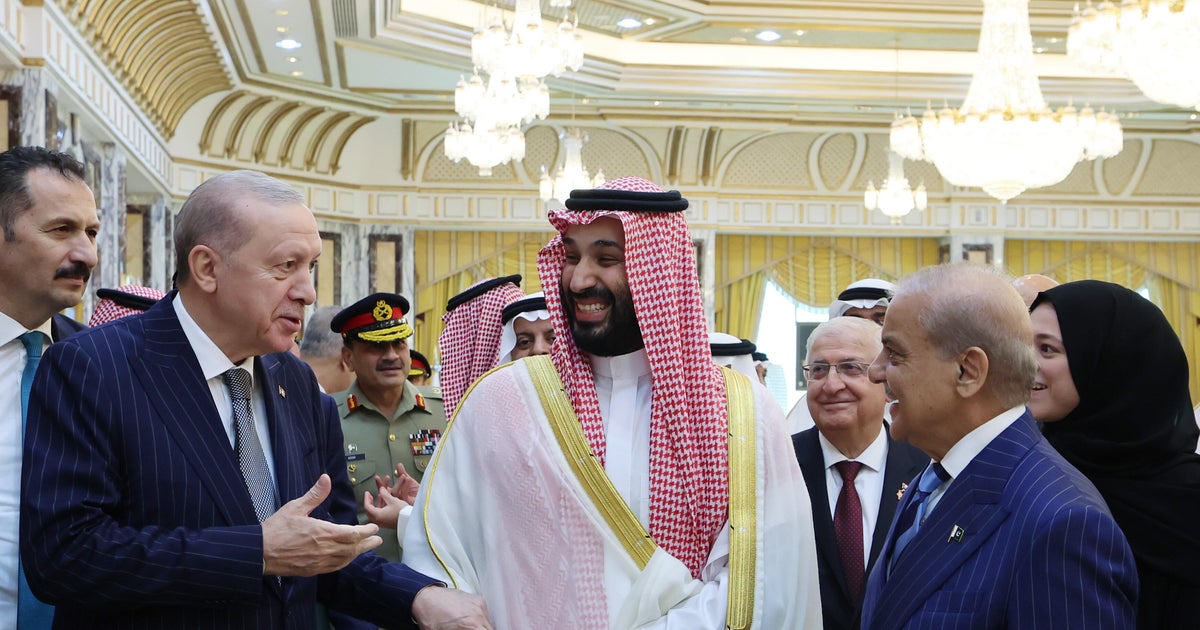
Jeffrey Epstein leveraged his extensive Middle East connections to obtain sacred Islamic artifacts from the Kaaba in Mecca for an unusual building on his private Caribbean island that he referred to as a mosque, according to millions of pages of records released by the Justice Department. The convicted sex trafficker spent years cultivating relationships across the Middle East, pursuing both business deals and his dual passions of acquiring rare Islamic artifacts and expanding his network of wealthy, powerful contacts. Through connections that extended into the Saudi royal court, Epstein secured meetings with Crown Prince Mohammed bin Salman and obtained elaborate tapestries that once adorned the sacred spaces inside Islam's holiest shrine.
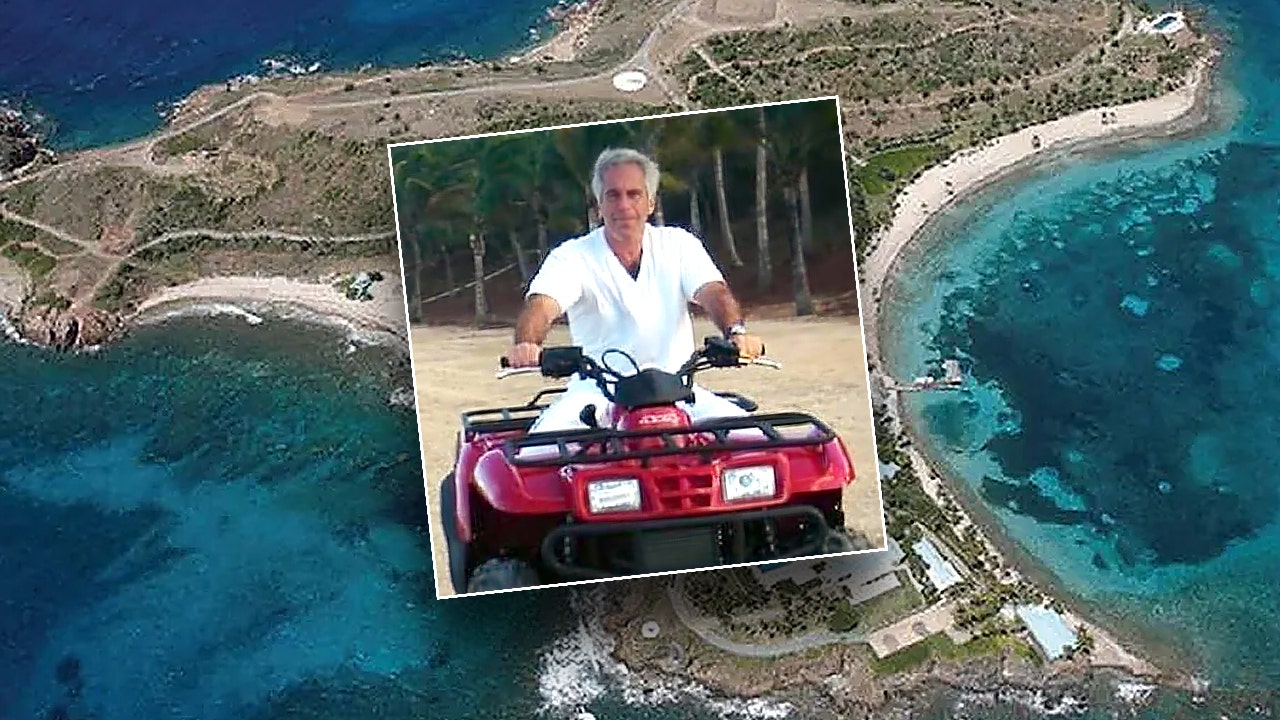
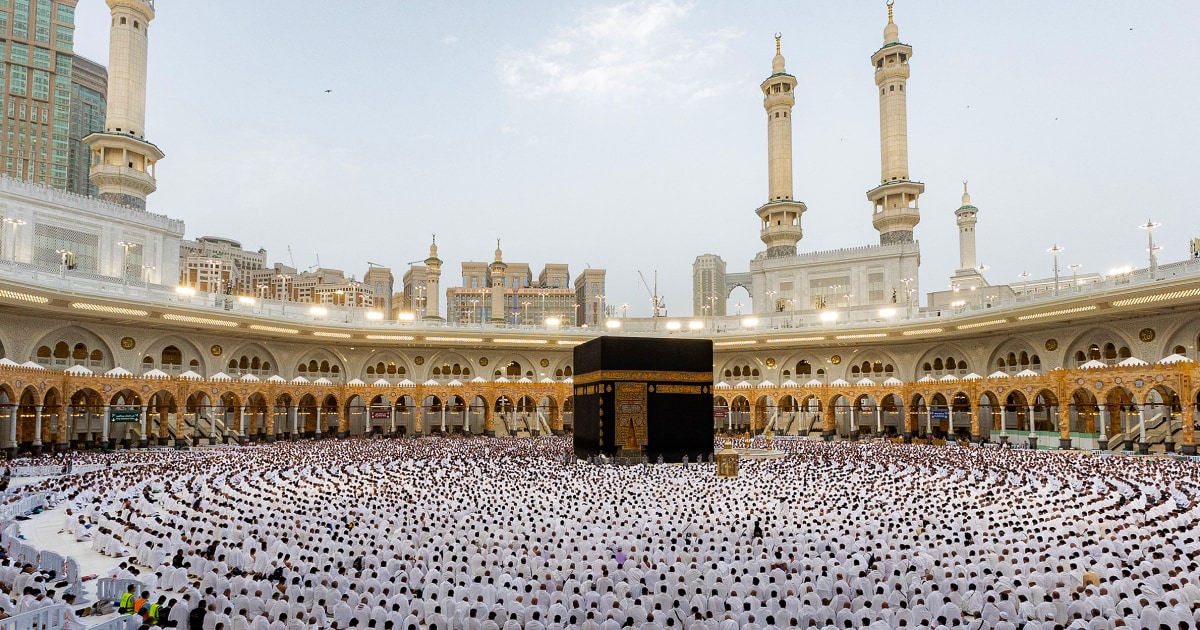
The unusual building on Little Saint James island featured a golden metal dome designed to replicate ancient Syrian architecture, tiles from an Uzbekistan mosque, and tapestries embroidered with Quranic verses that had been shipped directly from the Kaaba in Mecca. These sacred textiles, known as kiswa, traditionally cover the exterior walls of the cube-shaped building at the center of Islamic pilgrimage and are replaced annually in a ceremony of deep religious significance. Epstein's acquisition of these holy artifacts for his private collection represents an extraordinary breach of Islamic religious protocols and raises serious questions about how he managed to obtain items of such sacred importance.
A 2014 photograph released by the Justice Department captures Epstein's dual pursuits in a single image, showing him with Sultan Ahmed bin Sulayem, a prominent Emirati executive, as they admire one of the sacred tapestries spread across the floor of Epstein's New York townhouse. Bin Sulayem, who was ultimately brought down by his association with Epstein, was forced to resign earlier this year as head of DP World, a major Dubai ports company. The photo illustrates how Epstein's art collecting and networking activities were deeply intertwined, with wealthy Middle Eastern contacts providing access to both business opportunities and rare artifacts.
The Justice Department documents reveal the sophisticated nature of Epstein's Middle East operations and his ability to penetrate even the most exclusive circles of power and religious authority. His success in obtaining sacred Islamic artifacts demonstrates the extent of his influence and the willingness of some officials to compromise religious and cultural protocols for personal gain. The building on his island, while called a mosque by Epstein, appears to have been more of a personal collection display than a functional place of worship, raising additional questions about his motivations and the religious sensitivities of those who enabled his acquisitions.
The revelations about Epstein's Islamic artifact collection add another disturbing dimension to the already extensive documentation of his criminal activities and abuse of power. The ease with which he acquired sacred religious items suggests a pattern of exploitation that extended beyond his well-documented sex trafficking operations to include the appropriation of culturally and religiously significant artifacts. These discoveries continue to illuminate the vast scope of Epstein's network and the various ways he leveraged wealth, connections, and influence to obtain what others could not, regardless of legal, ethical, or religious boundaries.