Federal Judge Throws Out Trump's $10 Billion Defamation Lawsuit Against Wall Street Journal Over Jeffrey Epstein Story
U.S. District Judge Darrin Gayles found Trump's complaint against Rupert Murdoch and the Journal 'comes nowhere close' to the actual malice standard required in press freedom cases, but allowed him until April 27 to refile.
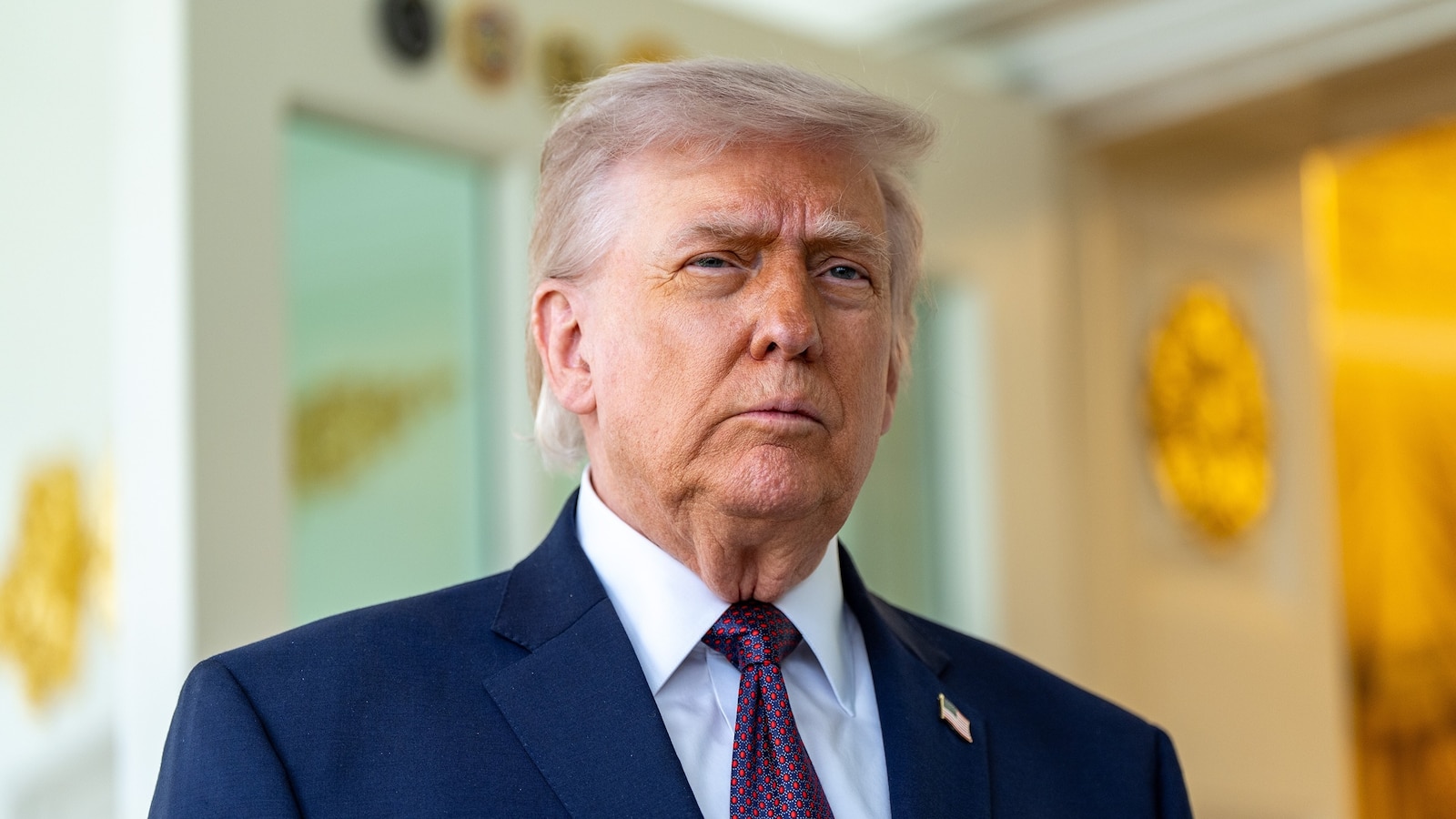
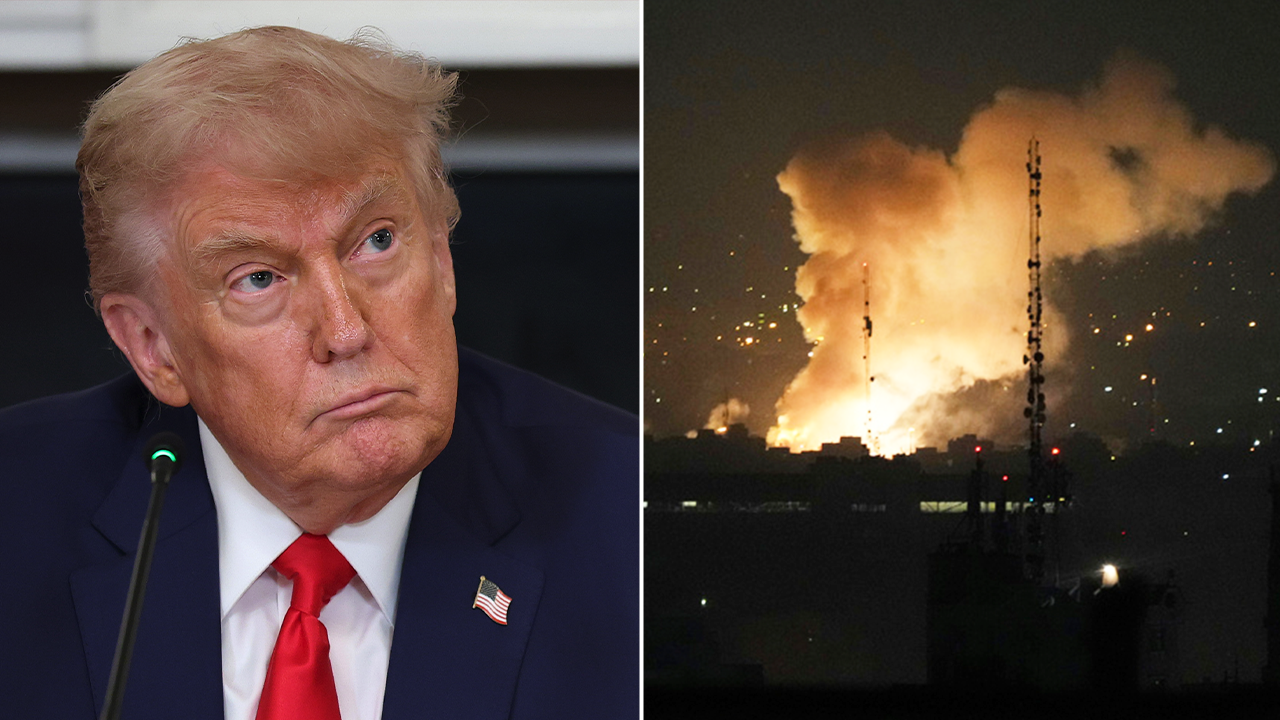
A federal judge dismissed President Trump's $10 billion defamation lawsuit against The Wall Street Journal, its parent company Dow Jones, and media baron Rupert Murdoch on Monday, ruling that Trump's complaint had failed to demonstrate the legal standard required for public figures alleging press defamation — and fell nowhere close to making that case.
U.S. District Judge Darrin P. Gayles, based in Miami, found that Trump had not shown that the Journal acted with actual malice — the demanding First Amendment standard established in New York Times v. Sullivan that requires public officials and figures to prove a media outlet published false information knowing it was false, or with reckless disregard for whether it was true. The lawsuit centered on a 2023 Journal article that described a sexually suggestive birthday card purportedly signed by Trump and included in a 2003 commemorative album assembled for Jeffrey Epstein's 50th birthday.
The article described a hand-drawn outline of a naked woman with what appeared to be Trump's first name signed in a suggestive location, alongside a typewritten note depicting an imaginary conversation with Epstein. Trump filed the lawsuit in the Southern District of Florida shortly after publication, seeking $10 billion in damages and alleging the report was fabricated to damage his administration politically. In his court filings, Trump insisted the signature was a forgery.
Judge Gayles noted in his ruling that WSJ reporters reached out to Trump's team for comment before publication and printed his denial — a practice central to responsible journalism, and one that under settled legal doctrine tends to undercut allegations of reckless disregard for the truth. The judge wrote that Trump's pleadings offered precisely the opposite of evidence of actual malice, and dismissed the complaint. However, Gayles dismissed without prejudice, giving Trump until April 27 to file an amended complaint addressing the deficiencies.
The decision marks the latest in a series of legal setbacks for Trump's campaign to use civil litigation against critical news coverage. Previous suits against The New York Times, CNN, and ABC News have similarly struggled to clear the actual malice hurdle. First Amendment attorneys said the ruling tracked established precedent. A media law professor noted that a public figure alleging defamation must do more than insist a story is wrong — they must show the reporter knew it was wrong and published anyway, an extremely high bar designed to protect vigorous coverage of public officials.
Murdoch, the 94-year-old media executive who built News Corp into a global empire, was named personally as a defendant in Trump's suit alongside Dow Jones. The filing came during a period of notable tension between Trump and News Corp properties — though Fox News, also a Murdoch enterprise, has maintained generally warm relations with the president. The Journal and Murdoch have not commented publicly since the ruling.
Trump's legal team has 14 days to decide whether to file a revised complaint or let the suit lapse. Legal observers say he will face the same fundamental obstacle: establishing actual malice for a story that relied on physical documentation and was reported by a veteran investigative team that gave the subject full opportunity to respond before publication. The White House did not immediately respond to a request for comment Tuesday.