Cutting Ultra-Processed Food by 85% Eased Depression in a Small UCSF Trial of 20 People
The pilot study in JAMA Psychiatry found moderate to large improvements after four weeks, and researchers plan a larger trial starting in 2028.
People with depression who sharply cut back on ultra-processed food reported moderate to large improvements in their symptoms within four weeks, according to a small pilot study from the University of California, San Francisco published Sept. 23 in JAMA Psychiatry.
The research is believed to be the first to compare symptoms in people with depression before and after they switched from their usual ultra-processed diet to a healthier one. The National Institutes of Health funded it. Dr. Andrew Krystal was the senior author and Dr. Nyasha Chagwedera the corresponding author.
The trial was a crossover design and included just 20 participants, with an average age of 44. About 70 percent were women. Most also had anxiety, an elevated body mass index or metabolic problems such as high blood pressure or diabetes.
One group kept eating as usual for four weeks while the other moved to a low ultra-processed diet. The groups then swapped. Participants shopped for and bought their own food, with guidance from the researchers. On the low-processed diet, they cut ultra-processed food intake by more than 85 percent.
The result was clear on three separate measures of depression, where scores improved by moderate to large amounts. Anxiety scores also improved, though by a smaller margin.
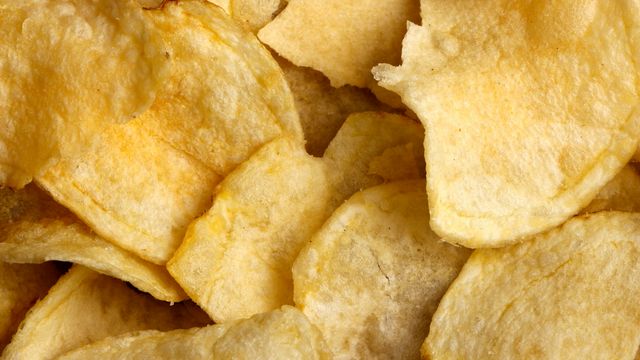
The researchers do not yet know why. One idea is that ultra-processed food damages the gut's protective lining, producing a "leaky, out-of-balance gut" that sets off chronic inflammation, which may cause depression or make people more vulnerable to it. The authors also point to how these foods are engineered. Ultra-processed products are designed to trigger the brain's dopamine system and promote cravings, using carefully tuned amounts of sugar, salt and fat that make people want to keep eating.
The study has clear limits. Twenty people is too few to draw firm conclusions, and participants knew which diet they were eating, so expectations could have shaped their reports. Switching to a diet built around whole foods also changes many things at once, including fiber, nutrients and total sugar, so the study cannot isolate ultra-processed foods as the single cause.
What it does show is that the experiment can be done. The authors say the pilot established that a larger, controlled trial is feasible. They expect to begin enrolling patients in a second phase in 2028.
For now, the finding adds to a growing body of observational research connecting heavily processed diets with depression. Patients should not stop treatment based on one pilot study, but the work gives doctors a testable idea: that what people eat could be one more lever for treating a condition that medication and therapy do not fully resolve for many people.