Creatine Added Muscle in Middle-Aged Adults Who Did No Exercise at All, Texas A&M Trial Finds
In a 12-week study of 64 adults aged 45 to 65, 10 grams a day added about 2.4 pounds of lean tissue in non-exercisers. It did not improve aerobic fitness.
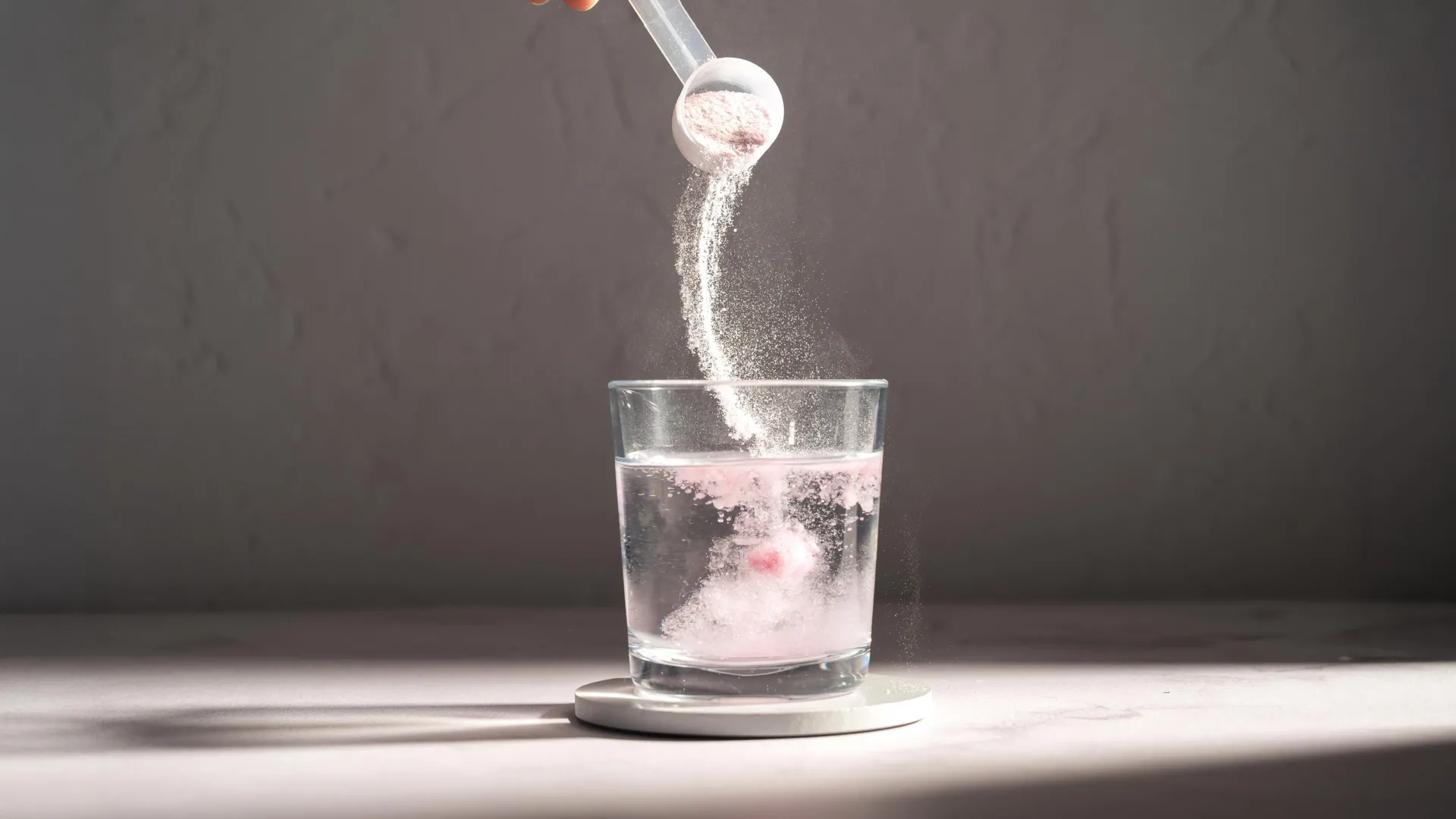
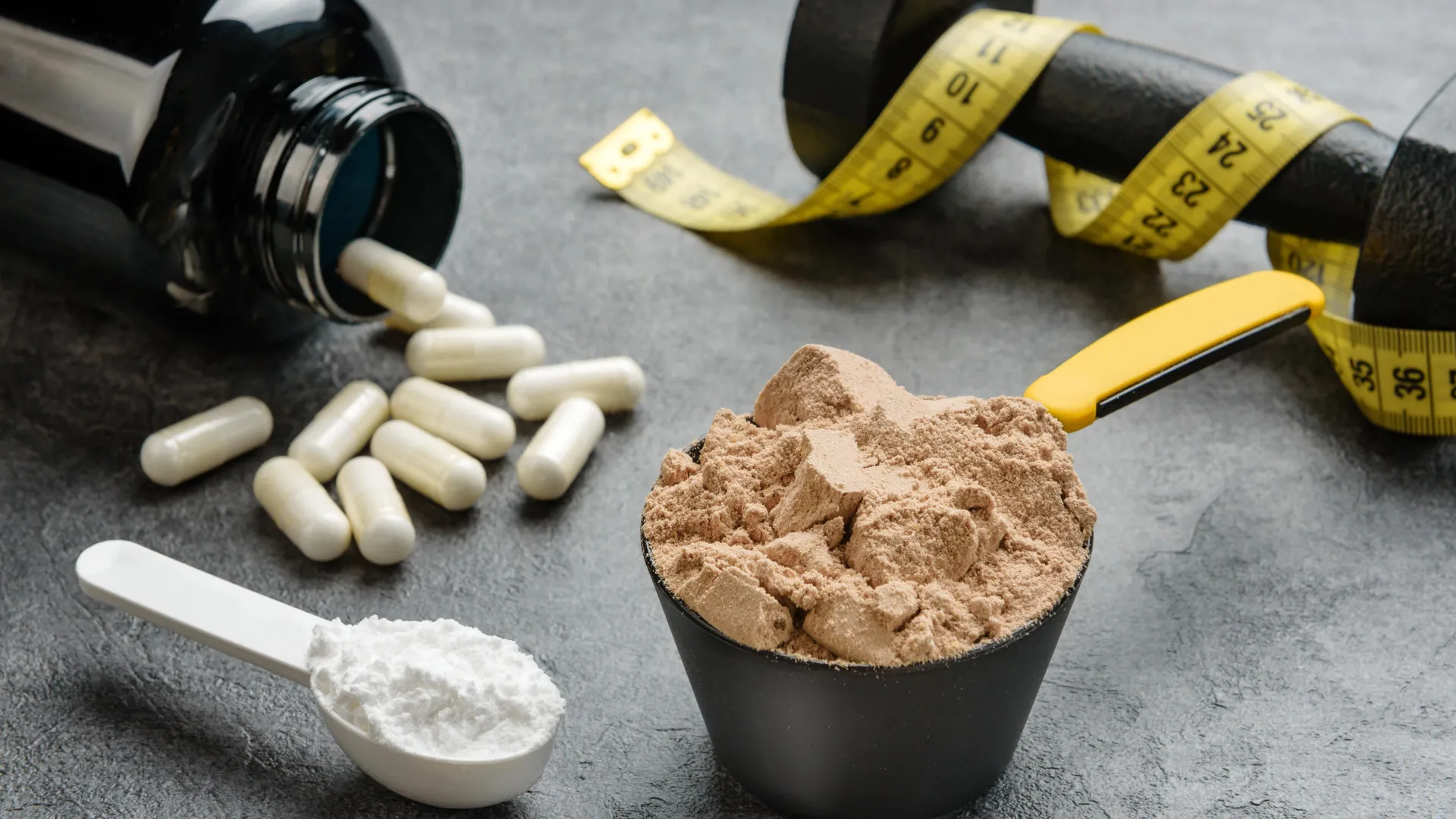
Creatine, one of the most studied sports supplements in the world, appears to help middle-aged adults gain muscle and strength even when they do not follow an exercise program, according to a 12-week trial from Texas A&M University.
The study enrolled adults aged 45 to 65, and 64 healthy participants completed it. Everyone took 10 grams of creatine monohydrate or a placebo each day. Half of the participants followed a structured exercise and diet program, while the other half stayed sedentary.
Among the people who did not exercise, those taking creatine gained about 2.4 pounds of lean tissue and improved their leg press and bench press strength compared with the placebo group. The researchers say that shows the supplement can have measurable effects on its own in this age group.
Among those who did exercise, creatine users saw greater strength gains than the placebo group and added nearly 3 pounds of lean tissue while losing fat mass. The team says this is the first study to show that combination of benefits in exercising middle-aged adults.
There was one clear limit. Creatine did not improve aerobic fitness, which matches earlier research showing its benefits are primarily for muscular strength and power and not for cardiovascular endurance.
Richard Kreider, the study's lead researcher, said the dose used here is hard to get from food. Eating 10 grams of creatine through diet alone would take roughly five to 10 pounds of meat or fish every day, he noted, which is why a supplement is the practical route. Creatine occurs naturally in red meat and fish, and the body also makes some of its own.
Safety was also part of the discussion. Kreider pointed to a 2025 analysis of 685 clinical trials that found no significant difference in side effects between creatine users and people given a placebo.
Muscle loss is a central problem of aging. Adults typically lose muscle mass and strength gradually after midlife, which raises the risk of falls and reduces independence. Any inexpensive intervention that slows that decline gets attention from doctors and researchers.
The trial has clear boundaries. It lasted only 12 weeks, involved a modest number of healthy adults and measured lean tissue and strength but not long-term outcomes such as fractures or hospitalizations. Kreider's results do not argue against exercise, since the exercising group gained the most, but they suggest creatine could offer a boost to people who find it hard to start.