Science
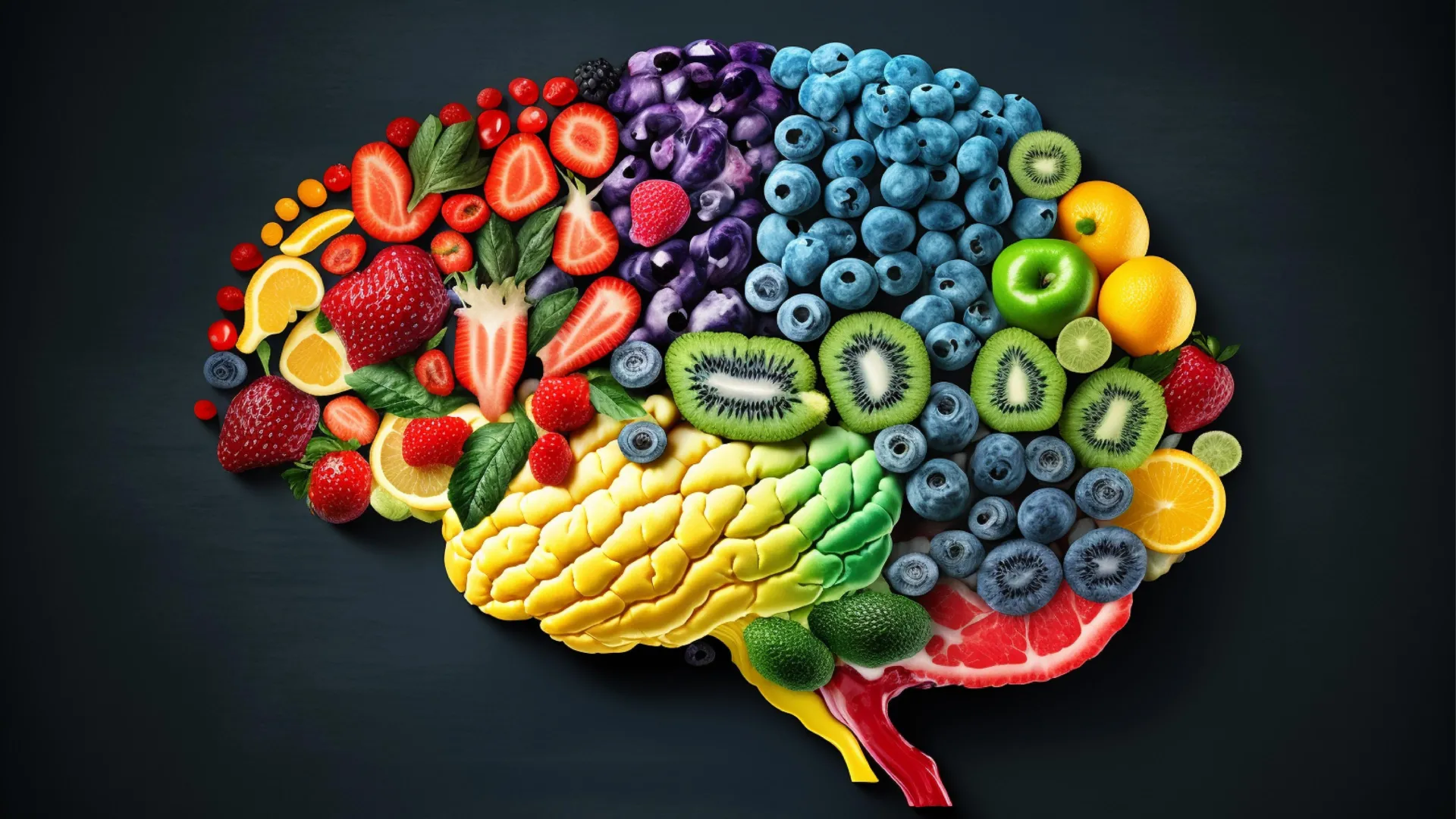
Study of 1,647 Adults Links MIND Diet to Brain Aging Slowed by 2.5 Years
Each 3-point rise in adherence to the diet was tied to 20% less age-related gray matter decline, but the study cannot prove the food caused it.
Topic
22 stories from Planck Standard. Latest: October 2, 2026.
Each 3-point rise in adherence to the diet was tied to 20% less age-related gray matter decline, but the study cannot prove the food caused it.
The pilot study in JAMA Psychiatry found moderate to large improvements after four weeks, and researchers plan a larger trial starting in 2028.

In a 12-week study of 64 adults aged 45 to 65, 10 grams a day added about 2.4 pounds of lean tissue in non-exercisers. It did not improve aerobic fitness.

Texas A&M researchers report that coffee's polyphenols and diterpenes activate NR4A1, a receptor tied to stress response and healthy aging, with decaf working just as well as regular.
Researchers at King's College London found that making the mouth more acidic helped the body turn nitrate from vegetables into a compound that relaxes blood vessels, though they warn it is no treatment.
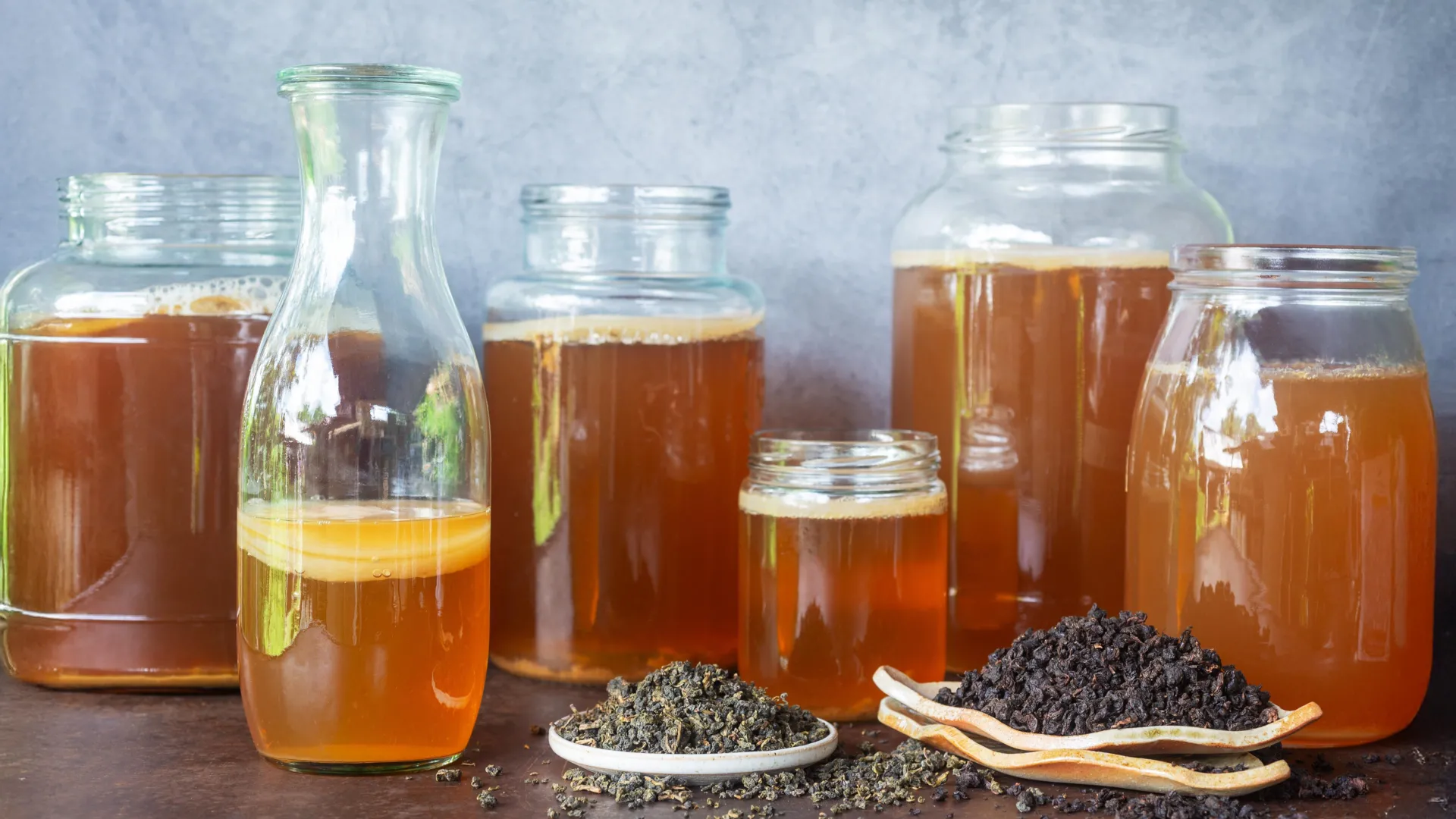
A new study comparing kombucha made from black, green, white, oolong and pu-erh teas found that green and oolong versions pack the strongest antioxidant punch.

Mice on a sucrose-free low-fat diet showed worse blood sugar control, more inflammation and disrupted gut bacteria than those who ate some sugar, researchers reported at ENDO 2026.

In a randomized trial, adults who added a glass of 100% juice or a smoothie to their five-a-day reported lower depression scores after four weeks. The effect was small — and the study was industry-funded.

An umbrella review pooling 113 trials and nearly 8,000 participants concludes collagen supplements modestly improve skin hydration, elasticity and osteoarthritis pain, while offering no meaningful boost to sports performance.

Tracking more than 205,000 people across nearly four decades, researchers found the danger isn't the potato — it's the frying. Baked, boiled and mashed showed no added risk.

UCSF study finds older adults with 'normal' but lower B12 levels show signs of slower thinking and brain damage.

A major analysis found that people with anxiety disorders have significantly lower choline levels in their brains, potentially pointing toward new nutrition-based treatments.

Loma Linda University study of 40,000 participants finds daily egg intake significantly reduces dementia risk in adults 65 and older.

Texas leads with the largest state restriction yet, effective October 1 pending a federal waiver that the Trump administration has signaled it will grant.

Protein-hungry shoppers increase meat purchases with health considerations as driving factor, industry data shows.
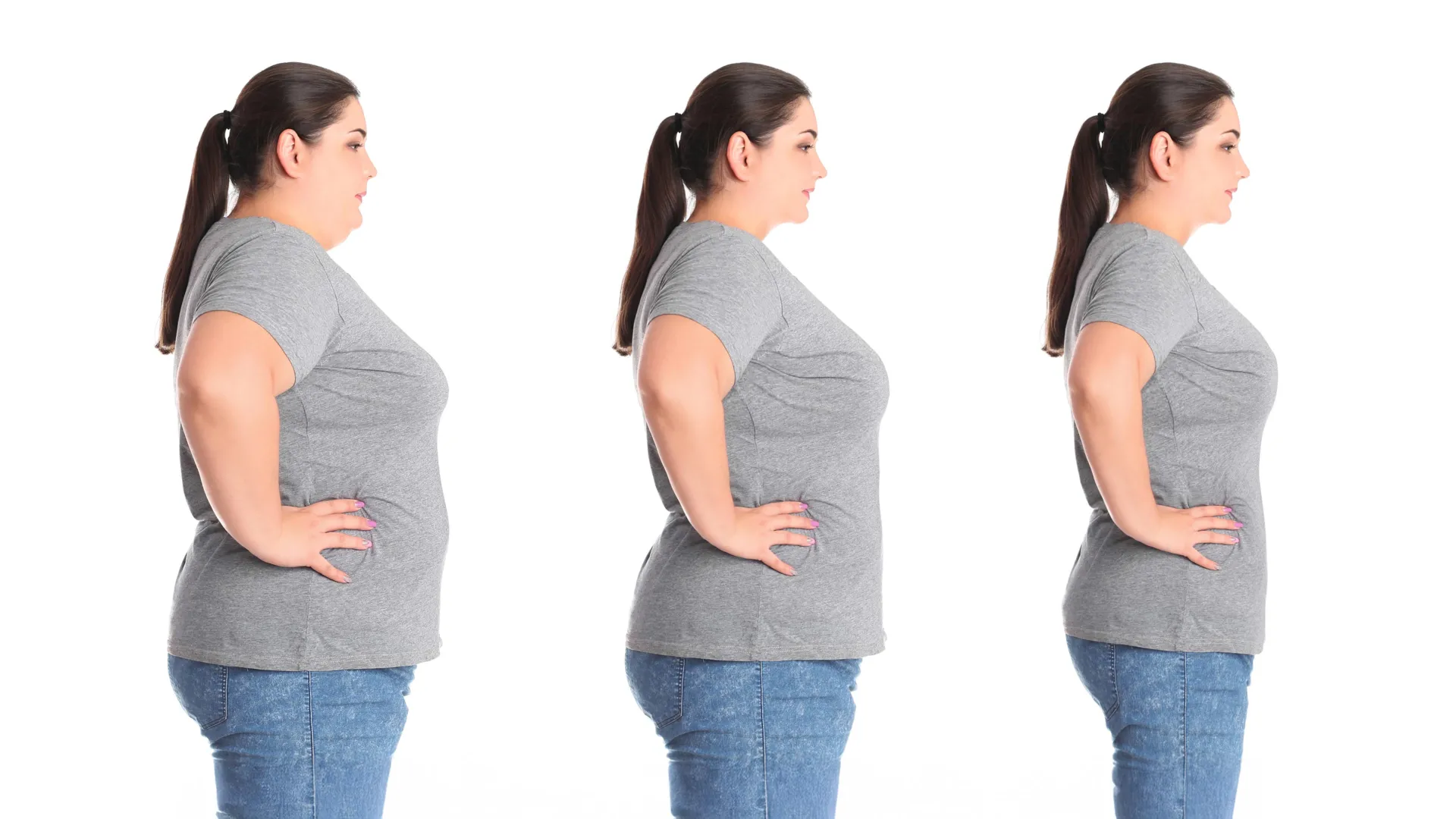
A major study suggests meal timing, not just food choices, plays a key role in maintaining a healthy body weight over time.

Protein-hungry shoppers are buying more meat with their health top of mind, driving significant changes in purchasing patterns and industry marketing strategies.

Zeaxanthin, a plant-based compound found in vegetables and eye-health supplements, strengthens T cells and enhances immunotherapy treatments in promising new research.
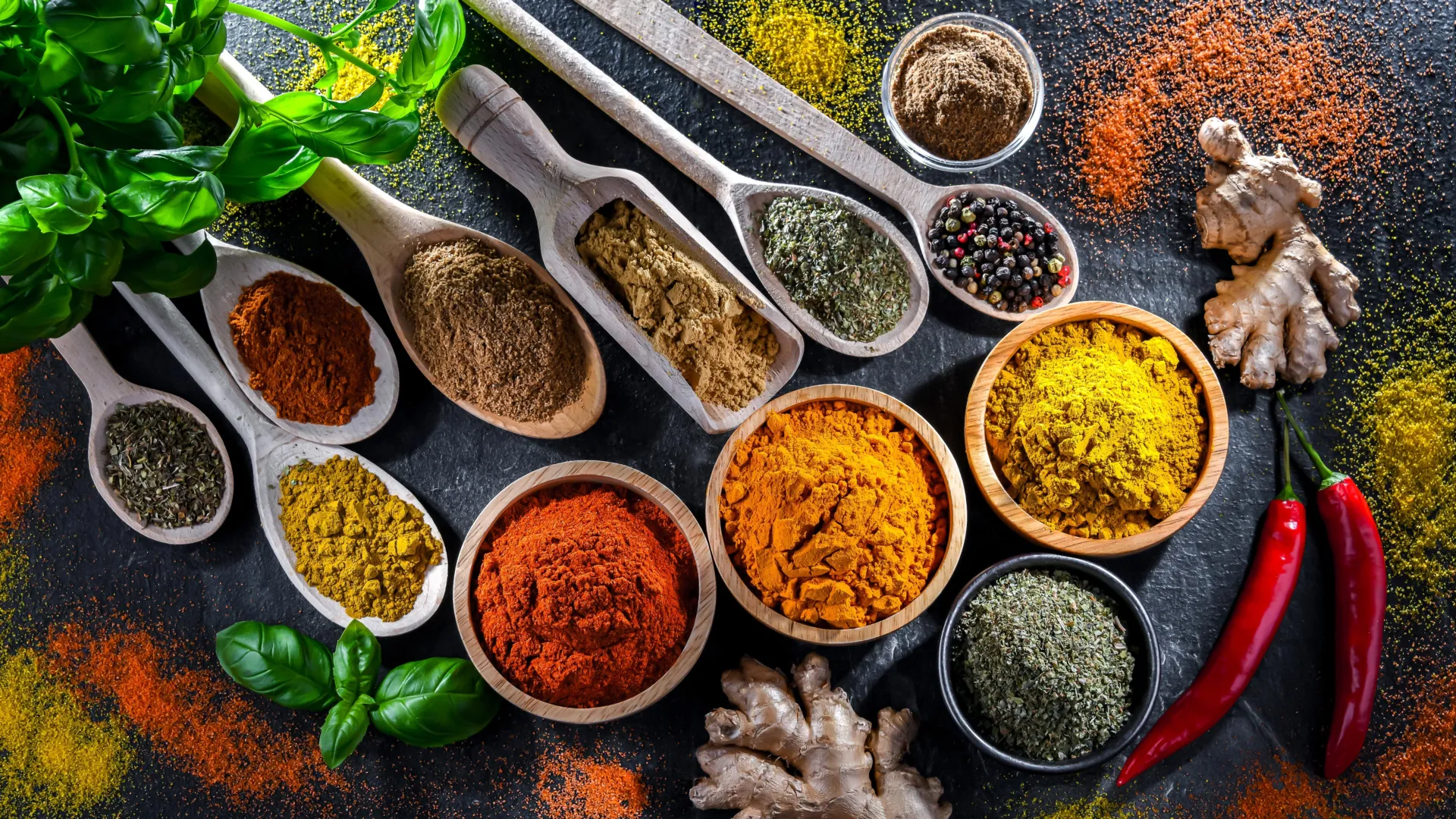
Research reveals that common plant compounds from mint, eucalyptus, and chili peppers work together inside immune cells to dramatically enhance their inflammation-fighting abilities.

Researchers identify gene SLC35F2 as gateway for queuosine absorption, opening new possibilities for memory and cancer treatments.
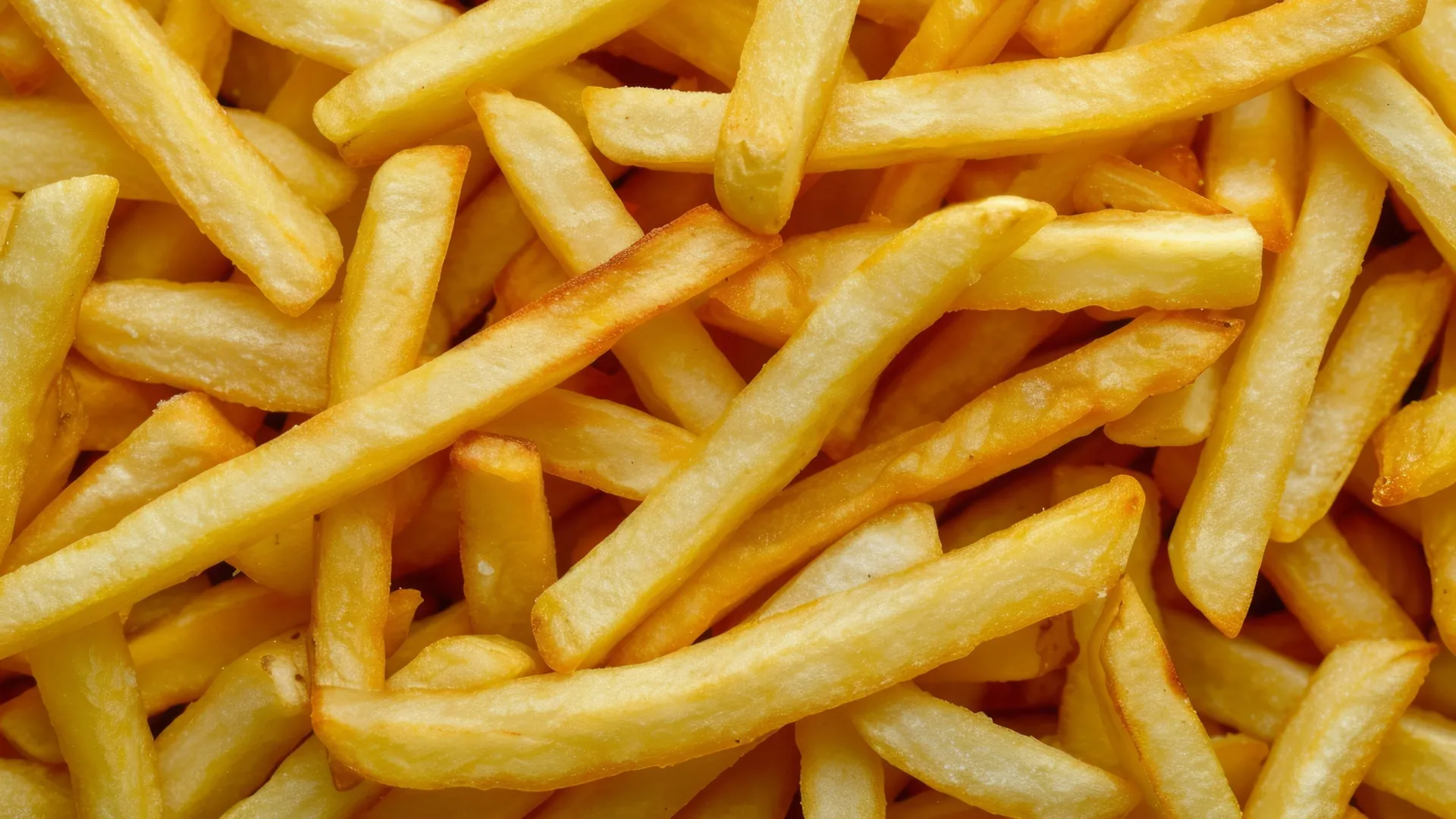
University of Illinois researchers discover how combining traditional frying with microwave heating reduces oil absorption while maintaining crispy texture.

Researchers develop breakthrough yeast-based supplement that provides essential nutrients missing from modern pollen sources, offering hope for struggling bee populations facing climate change and habitat loss.