A Common Nutrient Could Supercharge Cancer Treatment
Zeaxanthin, a plant-based compound found in vegetables and eye-health supplements, strengthens T cells and enhances immunotherapy treatments in promising new research.
Researchers at the University of Chicago have discovered that zeaxanthin, a common plant-based nutrient best known for supporting eye health, may also significantly enhance the body's ability to fight cancer by boosting immune cell function. The findings, published in Cell Reports Medicine, suggest that this widely available supplement could serve as a simple and accessible way to improve the effectiveness of cutting-edge cancer immunotherapies.
Zeaxanthin belongs to a class of compounds called carotenoids and is naturally found in foods such as orange peppers, spinach, and kale. It has long been marketed as an over-the-counter supplement for eye health, making it both inexpensive and well-tolerated by most people. The research team, led by Dr. Jing Chen, identified zeaxanthin through analysis of a large library of blood-borne nutrients, focusing on compounds that could directly enhance the performance of CD8+ T cells, which play a central role in identifying and destroying cancer cells.
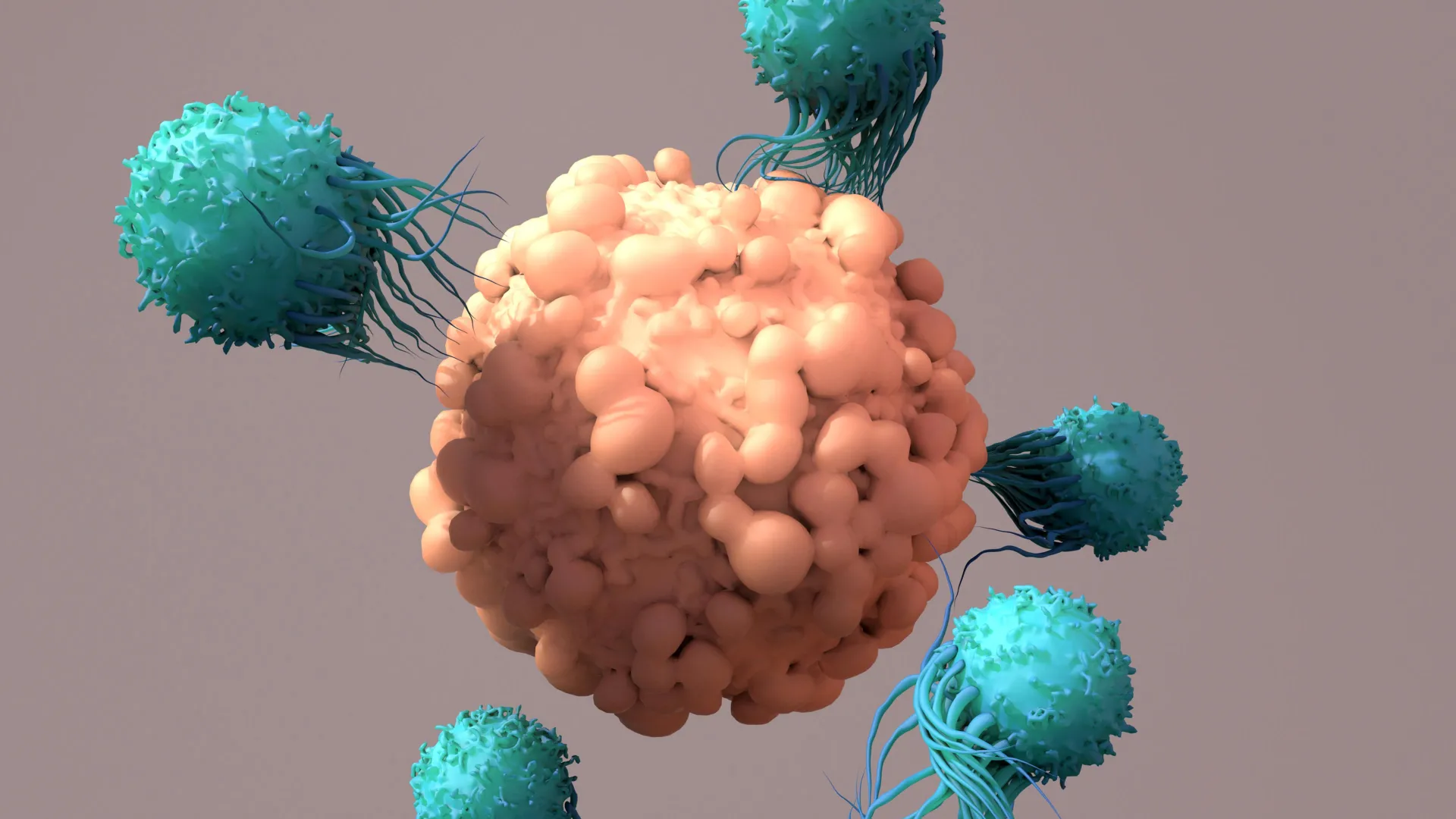
The mechanism behind zeaxanthin's anti-cancer effects involves strengthening the T-cell receptor complex that immune cells use to detect abnormal cells. When T cells encounter cancer, zeaxanthin helps stabilize the formation of this crucial receptor structure, leading to stronger internal signaling pathways. This enhancement increases T-cell activation, boosts the production of cytokines that coordinate immune responses, and ultimately improves the cells' ability to kill tumors.
In laboratory studies using mouse models, adding zeaxanthin to the diet measurably slowed tumor growth. The effects became even more pronounced when researchers combined zeaxanthin supplementation with immune checkpoint inhibitors, a type of immunotherapy that has revolutionized cancer treatment in recent years. The combination produced significantly stronger anti-tumor responses than immunotherapy alone, suggesting potential for clinical applications.
The research team also tested zeaxanthin's effects on engineered human T cells designed to target specific cancer markers. In laboratory experiments, zeaxanthin enhanced these cells' ability to destroy melanoma, multiple myeloma, and glioblastoma cells. "Our data show that zeaxanthin improves both natural and engineered T-cell responses, which suggests high translational potential for patients undergoing immunotherapies," Chen explained. The team is now planning human clinical trials to test whether zeaxanthin supplementation can safely and effectively enhance cancer treatment outcomes in patients.