Scientists Discover Spice Combinations Can Boost Anti-Inflammatory Power by 100x
Research reveals that common plant compounds from mint, eucalyptus, and chili peppers work together inside immune cells to dramatically enhance their inflammation-fighting abilities.
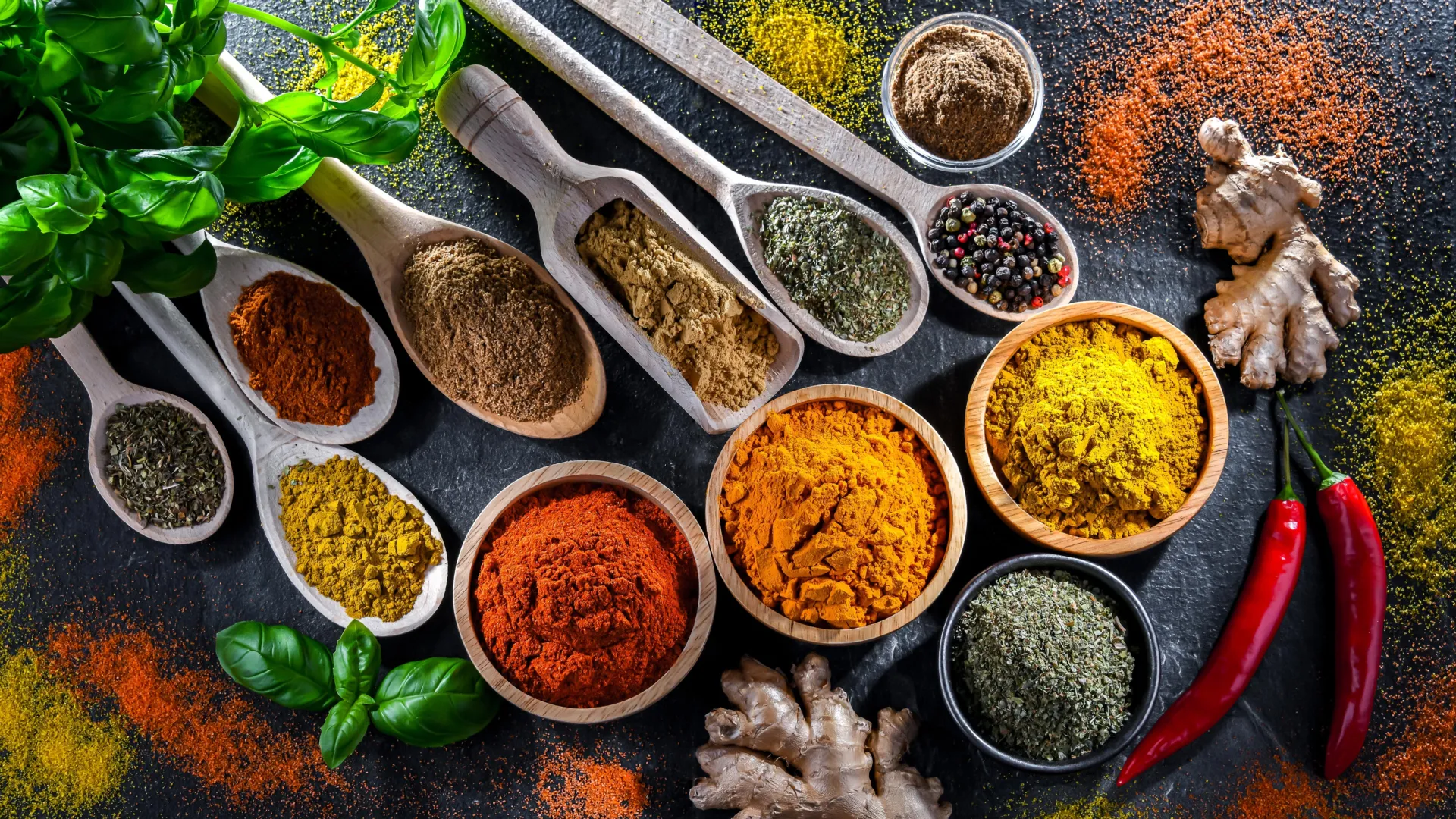
Researchers have discovered that combining common plant compounds found in everyday spices and herbs can amplify anti-inflammatory effects by up to 100 times compared to using individual compounds alone, potentially explaining the health benefits of traditional diets that have paired these ingredients for centuries. The breakthrough study from Tokyo University of Science demonstrates that compounds like menthol from mint, cineole from eucalyptus, and capsaicin from chili peppers work synergistically within immune cells to dramatically reduce inflammatory responses.
Chronic inflammation operates quietly in the background but contributes to serious diseases including type 2 diabetes, heart disease, obesity, arthritis, and cancer. The research team, led by Professor Gen-ichiro Arimura, focused on understanding how phytochemicals from herbs and spices affect inflammatory pathways in immune cells called macrophages, which play central roles in inflammatory responses by releasing signaling proteins called cytokines.
Using advanced laboratory techniques including gene expression analysis, protein measurements, and calcium imaging, the scientists exposed mouse macrophages to lipopolysaccharide to simulate inflammation, then treated the cells with individual compounds and specific combinations. They tested menthol from mint, 1,8-cineole from eucalyptus, capsaicin from chili peppers, and β-eudesmol from hops and gingers, examining how these compounds affected inflammatory markers both individually and in combination.
The results revealed that while individual plant compounds showed modest anti-inflammatory effects, certain combinations produced dramatically enhanced results by activating different cellular pathways simultaneously. The research team investigated whether these compounds worked through transient receptor potential (TRP) channels, membrane proteins that detect chemical and physical signals and regulate calcium activity linked to immune responses, finding that the synergistic effects involved complex interactions between multiple cellular mechanisms.
This discovery provides scientific validation for traditional culinary and medicinal practices that have long combined these plant ingredients, suggesting that the health benefits of anti-inflammatory diets may be significantly greater than previously understood. The findings published in the journal Nutrients could influence how scientists approach nutrition research and potentially lead to more effective natural approaches for managing chronic inflammation through strategic food combinations rather than relying solely on isolated supplements or pharmaceutical interventions.