UCLA Scientists Took T. Rex's Temperature From Two Teeth and Got 97°F, Almost Exactly Human. A Crocodile From the Same Montana Dig Site Came In at 86°F, Which Rules Out a Fluke of the Rock.
It's the first actual number for a tyrannosaur's body heat. The isotope 'thermometer' needed 90% less enamel than a decade ago, which is what finally persuaded the Natural History Museum of Los Angeles County to let them drill Thomas the T. rex.
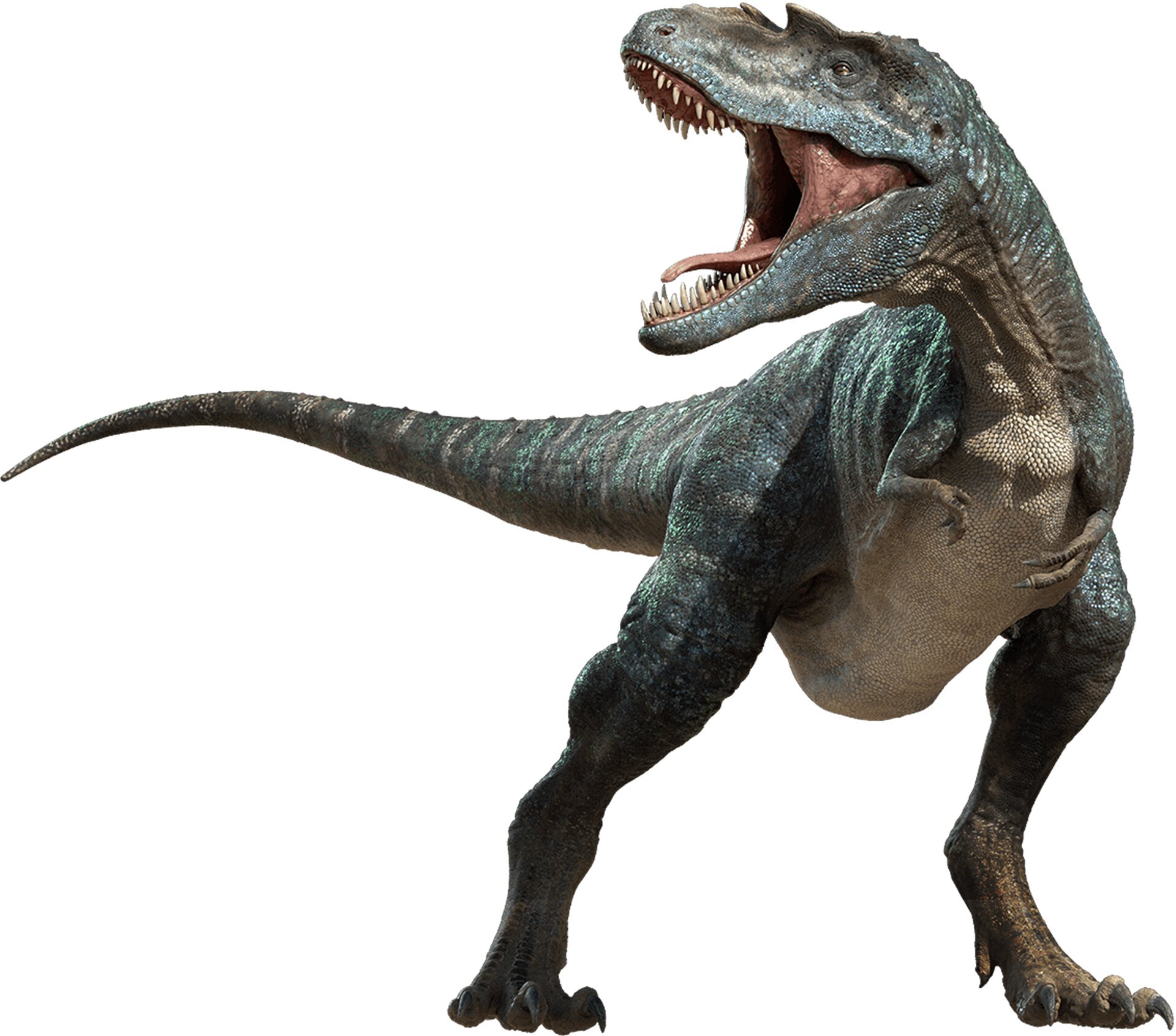
Tyrannosaurus rex ran a body temperature of about 36°C, or 97°F, within a degree of a healthy human, according to the first direct measurement ever made of the animal's internal heat. The result, published Wednesday, September 16, in Science Advances, was extracted from the enamel of two teeth belonging to "Thomas," the most complete tyrannosaur skeleton in the Natural History Museum of Los Angeles County, and it settles a question paleontologists have argued around for decades with indirect evidence. "No one's been able to make a temperature measurement like this before," said Robert Eagle, the UCLA geobiologist who co-authored the study. "We found T. rex was 36°C, about the same as humans. The temperature is about what I would have guessed, higher than a reptile or a slow mammal like a sloth, but lower than an avian."
The method is a chemical thermometer that Eagle's group first developed a decade ago. Inside tooth enamel, rare heavy isotopes of carbon and oxygen occasionally bond to each other within the same carbonate group. How often they "clump" depends on the temperature at which the mineral formed: cooler tissue makes more of the bonds, warmer tissue makes fewer. Count the bonds and you can read off the body temperature of the animal that grew the tooth. "That's the basis of using the isotopes as a thermometer," Eagle said. Enamel is the right material because, unlike bone, it is not constantly remodeled during life, and its large, durable crystals resist chemical alteration over tens of millions of years in the ground.
The problem was always sample size. Ten years ago the technique needed more fossil than any museum would sacrifice from a T. rex. Over the following decade the UCLA team cut the material required by roughly 90%, in part by pressurizing the carbon dioxide released when the enamel powder is dissolved in phosphoric acid, which produces a denser gas jet for the mass spectrometer and allows a measurement from a much smaller sample. That was enough to persuade the museum. "We're asked for fossils for use in destructive analysis all the time," said Luis Chiappe, curator of the museum's Dinosaur Institute. "Sacrificing small portions of two teeth to learn about T. rex's body temperature is definitely worth the trade-off." Lead author Randy Flores and Eagle used a dental drill to remove enamel from portions of the teeth not on public display.
A skeptic's first question is whether 66 million years of burial reset the chemistry. The team had a control: crocodilian fossils from the same Hell Creek Formation site in Montana where Thomas was dug up. Those came in at 30°C, or 86°F, squarely in the range of modern cold-blooded reptiles, which run about 28 to 30°C. If the rock had overwritten the signal, both species would have read the same. They did not. Modern birds, T. rex's living descendants, run hotter still, at 40 to 43°C. The tyrannosaur sits in between, a scaly, egg-laying reptile with the thermostat of a mammal.
That number has consequences for where the animal could live. Study co-author Alessandro Chiarenza, a paleontologist at University College London, used climate models of the late Cretaceous, a hothouse period 11 to 25°F warmer than today, to map where a 97°F predator could survive. The range stretched from Mexico to Alaska. Winters in Cretaceous Alaska would still have been lethal for a cold-blooded animal, and the fossil record agrees: paleontologists have found no lizards, turtles or crocodiles from that time and place, but they have found tyrannosaurs. "Now we have empirical evidence using this geologic thermometer," Chiarenza said.
A warm-blooded T. rex is also a hungry one. Maintaining that temperature requires a fast metabolism, which supports the picture of tyrannosaurs as active hunters and scavengers rather than basking ambush predators, and it marks how far along the road to birds the lineage had already traveled by the end of the age of dinosaurs.
Originally reported by Phys.org / UCLA.