Science
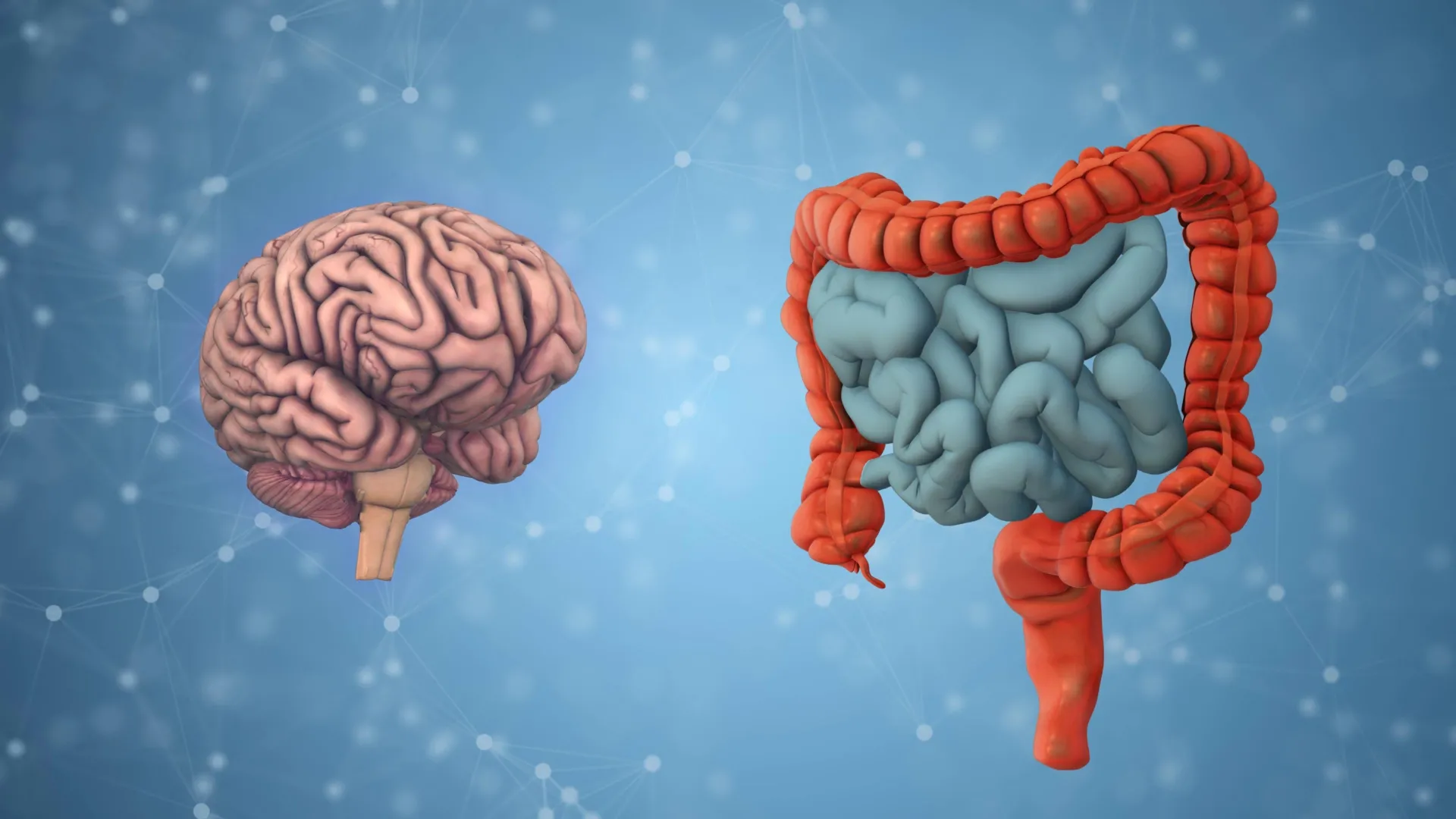
UCLA Study of 1,500 Adults Links Gut Bacteria to Faster Brain Aging
Brains that scan older than their owners' ages were tied to worse memory, more depression symptoms and a distinct gut-microbe signature, even in younger adults.
Topic
10 stories from Planck Standard. Latest: October 4, 2026.
Brains that scan older than their owners' ages were tied to worse memory, more depression symptoms and a distinct gut-microbe signature, even in younger adults.

A hybrid digital-optical processor uses light instead of heavy computing to score videos, and it held up at 94.8% on Google Veo 3 fakes it had barely seen.

It's the first actual number for a tyrannosaur's body heat. The isotope 'thermometer' needed 90% less enamel than a decade ago, which is what finally persuaded the Natural History Museum of Los Angeles County to let them drill Thomas the T. rex.
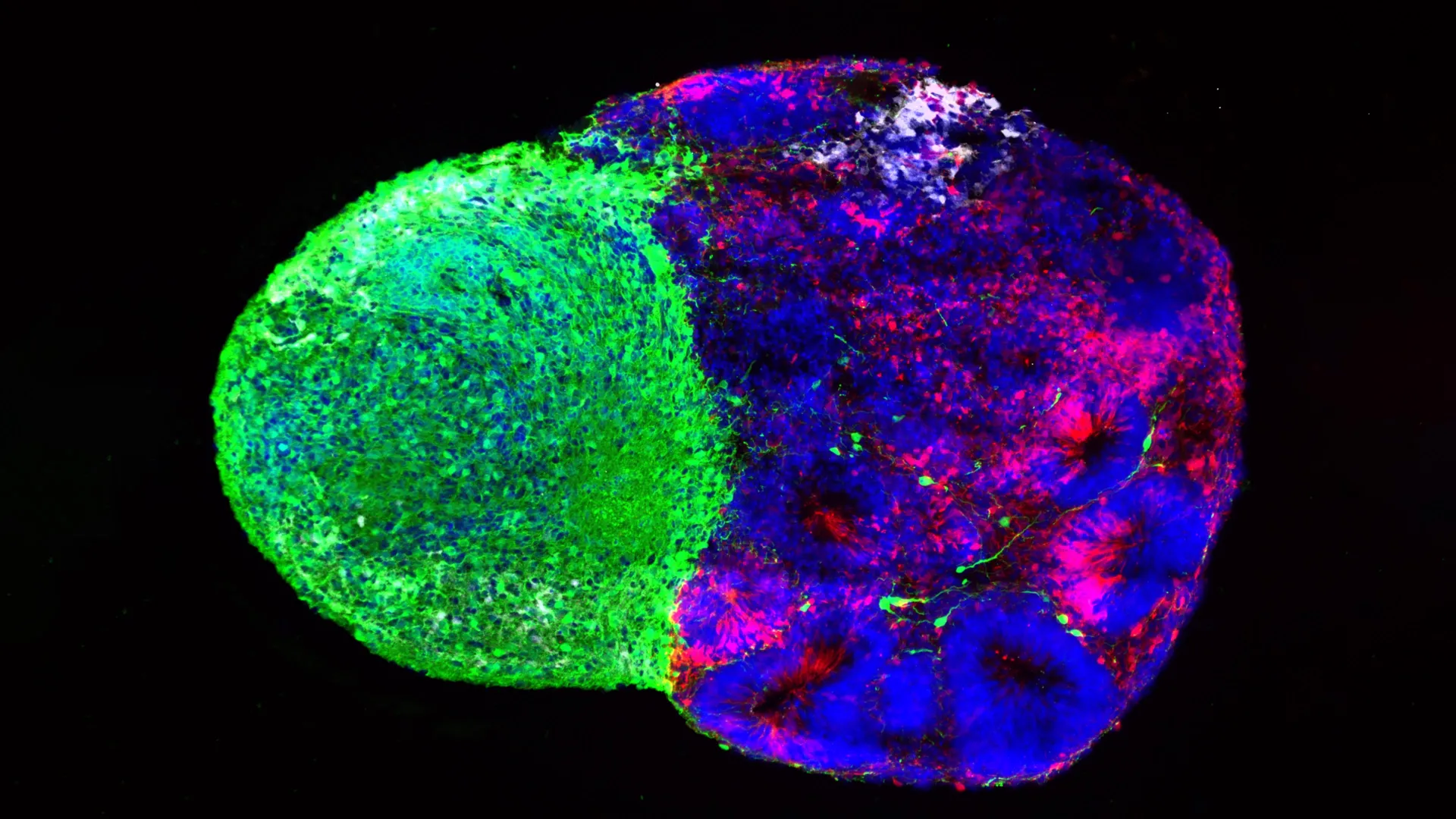
Two studies find that radial glia — the cells that construct most of the human cortex — take their instructions from how they burn sugar and from thalamic fibers physically touching them.

Aydogan Ozcan's group used a structured diffractive surface — not software — to overwrite whatever an unknown object looks like with one predetermined image.

Heat normally spreads in every direction at once. In boron arsenide, UCLA engineers watched it move in focused beams along the crystal's own axes — a result that could let chip designers route heat the way fiber optics route light.

Prabhanjan Ananth and Amit Sahai encode a single bit across many quantum states. An eavesdropper who divides the intercepted data between accomplices leaves each of them guessing at 50/50, even after they get the key.

Rapamycin quieted brain overactivity, reduced seizure risk and eased repetitive behavior in animals whose symptoms traced back to inflammation before birth — but the effect faded.
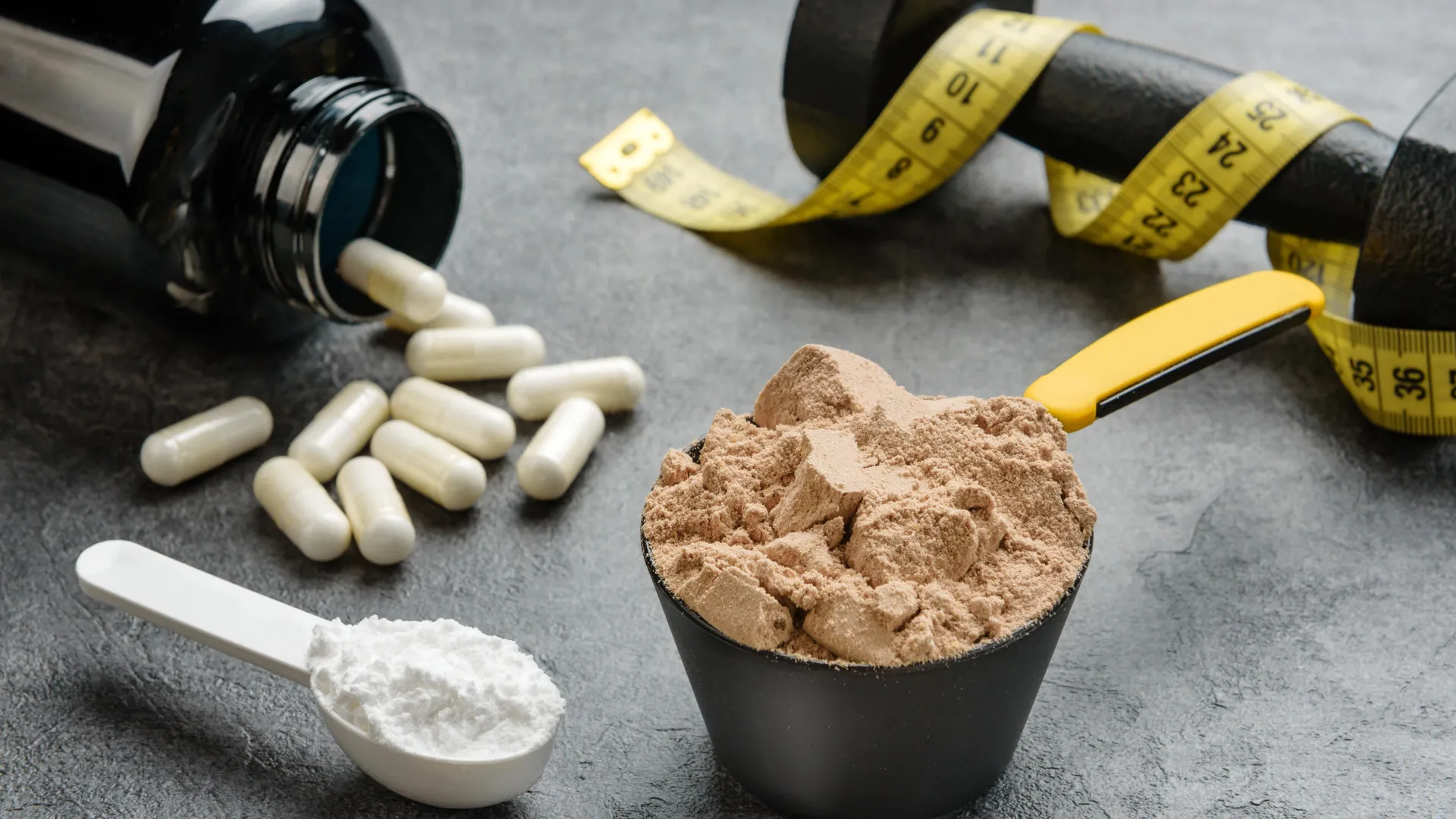
UCLA researchers report that the popular muscle-building compound energizes dendritic cells — the immune system's scouts — potentially making cancer immunotherapy work for far more patients.

A UCLA team discovered that a protein called NDRG1 builds up in old muscle stem cells and slams the brakes on repair. Switching it off makes aged cells act young again — but at a cost to their long-term survival.