Scientists Watch the Brain Rewire Itself for Real Multitasking by Routing Around Its 'Thinking' Center
Georgetown researchers used fMRI and EEG to show that intense practice pushes a learned task out of the bottlenecked prefrontal cortex, freeing the brain to genuinely do two things at once.
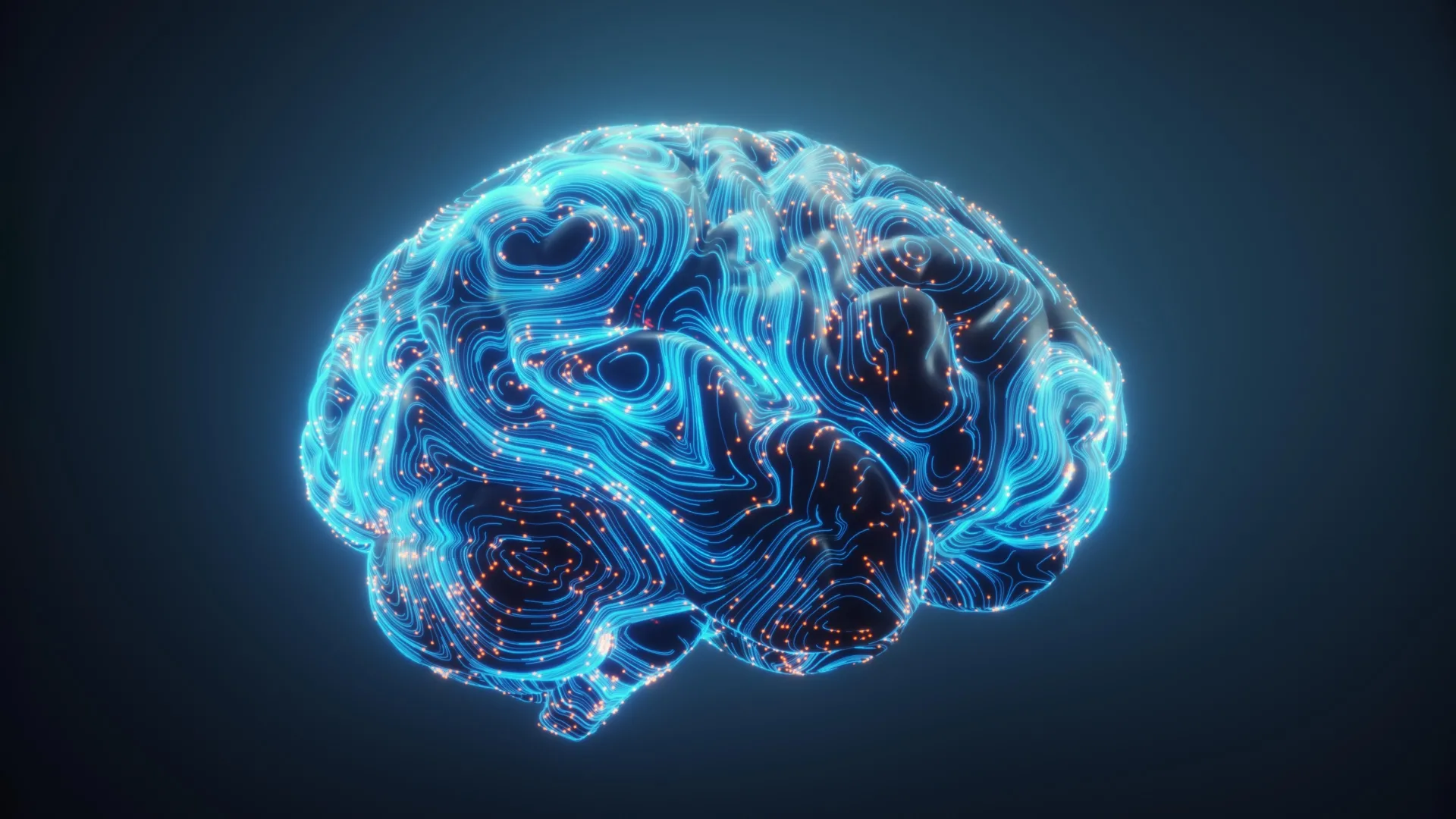
For years, psychologists have insisted that humans cannot really multitask — that what feels like doing two things at once is actually the brain rapidly switching back and forth, paying a hidden cost each time. A new study from Georgetown University suggests that belief is only half right: with enough training, the brain physically reorganizes itself so that a well-practiced task bypasses its main bottleneck entirely, clearing the way for genuine parallel processing.
The research, reported this month, combined functional MRI and EEG to track what happens inside the brain as people become expert at a demanding task. Participants repeatedly practiced a "car sorting" exercise that initially leaned heavily on the prefrontal cortex, the region behind the forehead that handles deliberate, effortful thinking. Early on, that executive hub was doing most of the work — and, crucially, it could only do one hard thing at a time.
As training continued, the researchers watched the heavy processing migrate. The task drifted out of the crowded prefrontal cortex and into specialized circuits in the temporal cortex, a shift that let the brain run the now-automated task without engaging its central deliberation machinery. In effect, the skill was "offloaded" onto dedicated hardware, the way a routine you have done a thousand times can be performed almost without thinking.
The payoff was measurable. The more a participant's car-sorting task was offloaded from the prefrontal cortex, the better that person performed a second, simultaneous task. Because the two jobs were no longer competing for the same bottlenecked resource, the brain could truly handle them in parallel — direct evidence that challenges the long-accepted idea that multitasking is always an illusion.
"The findings challenge a long-held understanding of how humans master complex skills," the Georgetown team wrote, arguing that continuous practice does not just make us faster but rewires the neural real estate a task occupies. Once a skill migrates to its own circuit, the prefrontal cortex is left free to tackle something new at the same time.
The results help explain everyday expertise — why a seasoned driver can hold a conversation while navigating traffic, or why a practiced musician can read ahead while playing — and they hint at practical uses. If specific training regimes reliably push tasks off the prefrontal bottleneck, they could inform how pilots, surgeons and athletes are trained, and how rehabilitation is designed for people recovering from brain injuries that damage executive function.