Scientists Identify Brain Cells Behind Depression for First Time
Researchers pinpoint two specific cell types that behave differently in depression, offering new treatment targets.

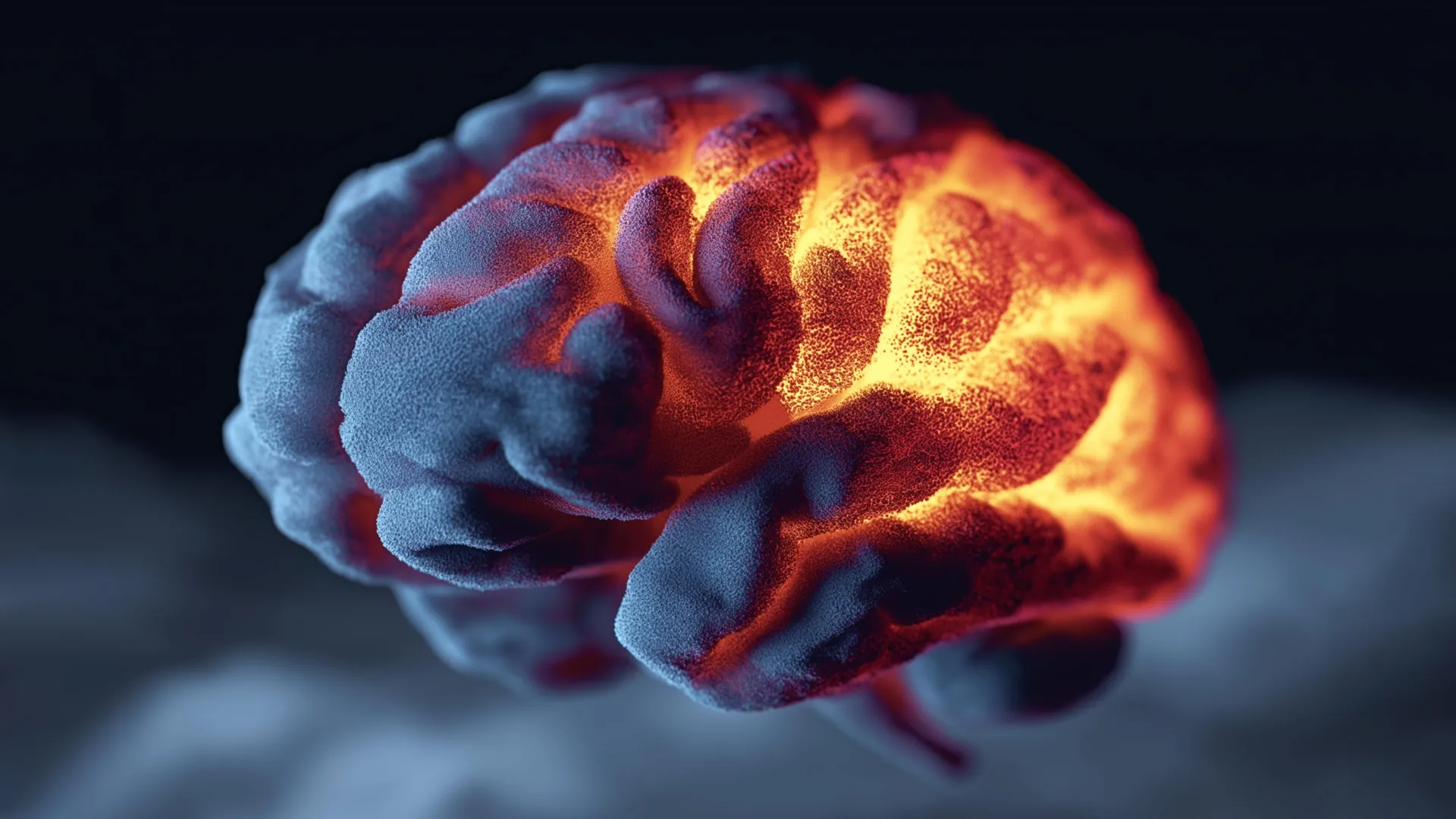
Scientists at McGill University and the Douglas Institute have achieved a groundbreaking discovery by identifying two distinct types of brain cells that function differently in people with depression. This represents the first time researchers have been able to pinpoint specific brain cell types affected by depression through mapping gene activity alongside DNA regulatory mechanisms, providing crucial insights that could lead to targeted treatments for a condition affecting more than 264 million people worldwide.
The research, published in Nature Genetics, relied on rare post-mortem brain samples from the Douglas-Bell Canada Brain Bank, one of the few collections worldwide that includes donated brain tissue from individuals who had psychiatric conditions. Using advanced single-cell genomic techniques, scientists examined RNA and DNA from thousands of individual brain cells, comparing samples from 59 individuals diagnosed with depression with 41 without the condition.
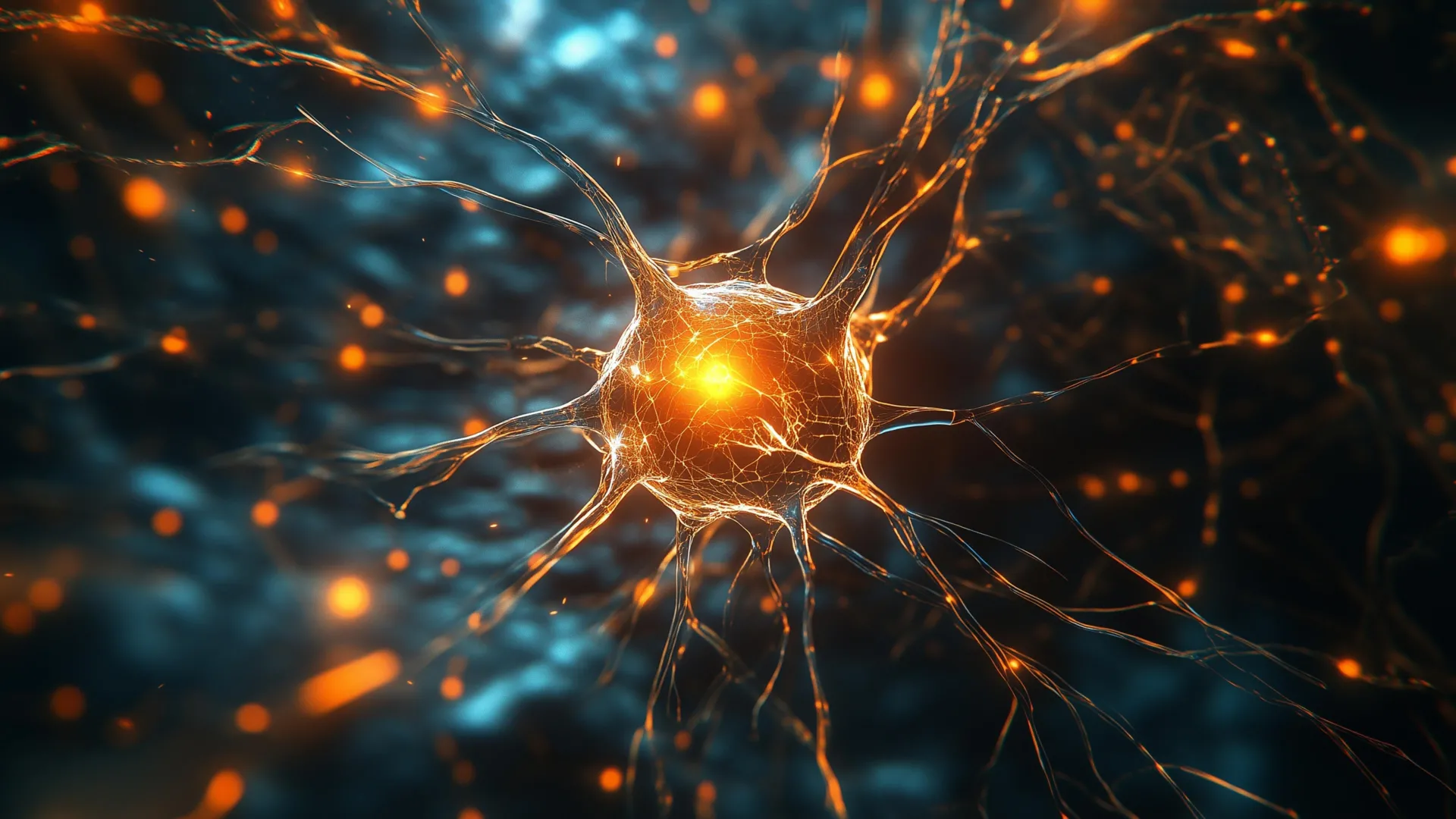
The analysis revealed significant changes in gene activity in two critical types of brain cells. One group consisted of excitatory neurons that play essential roles in regulating mood and responding to stress. The other was a subtype of microglia, which are immune cells in the brain that help control inflammation. In both cell types, many genes showed different levels of activity in people with depression, suggesting these cellular systems may not be functioning normally.
"This is the first time we've been able to identify what specific brain cell types are affected in depression by mapping gene activity together with mechanisms that regulate the DNA code," said senior author Dr. Gustavo Turecki, a professor at McGill and Canada Research Chair in Major Depressive Disorder and Suicide. "It gives us a much clearer picture of where disruptions are happening, and which cells are involved."
The findings strengthen the scientific understanding of depression as a biological brain disorder rather than purely an emotional or psychological condition. "This research reinforces what neuroscience has been telling us for years," Turecki explained. "Depression isn't just emotional, it reflects real, measurable changes in the brain." The researchers now plan to investigate how these cellular differences affect overall brain function and explore whether therapies targeting these specific cells could lead to more effective treatments.