Scientists Identify Two Specific Brain Cell Types That Function Differently in Depression
Breakthrough study using donated brain tissue reveals cellular changes in neurons and immune cells, providing clearest biological evidence of depression's physical basis.

Researchers at McGill University and the Douglas Institute have achieved a major breakthrough in understanding depression by identifying two specific types of brain cells that function differently in people with the condition, offering the first clear cellular-level evidence of depression's biological foundation. The groundbreaking study, published in Nature Genetics, analyzed post-mortem brain samples from 59 individuals with depression and 41 without the condition using advanced single-cell genomic techniques. This represents the first time scientists have been able to pinpoint exactly which brain cells are affected in depression and understand the genetic mechanisms underlying these changes, potentially opening new avenues for targeted treatments.
The research was made possible by the unique Douglas-Bell Canada Brain Bank, one of the few collections worldwide that includes donated brain tissue from individuals who suffered from psychiatric conditions. Using cutting-edge single-cell RNA and DNA analysis, the team examined thousands of individual brain cells to identify patterns of gene activity that distinguish depressed from healthy brains. Senior author Dr. Gustavo Turecki, who holds the Canada Research Chair in Major Depressive Disorder and Suicide, explained that "this is the first time we've been able to identify what specific brain cell types are affected in depression by mapping gene activity together with mechanisms that regulate the DNA code."
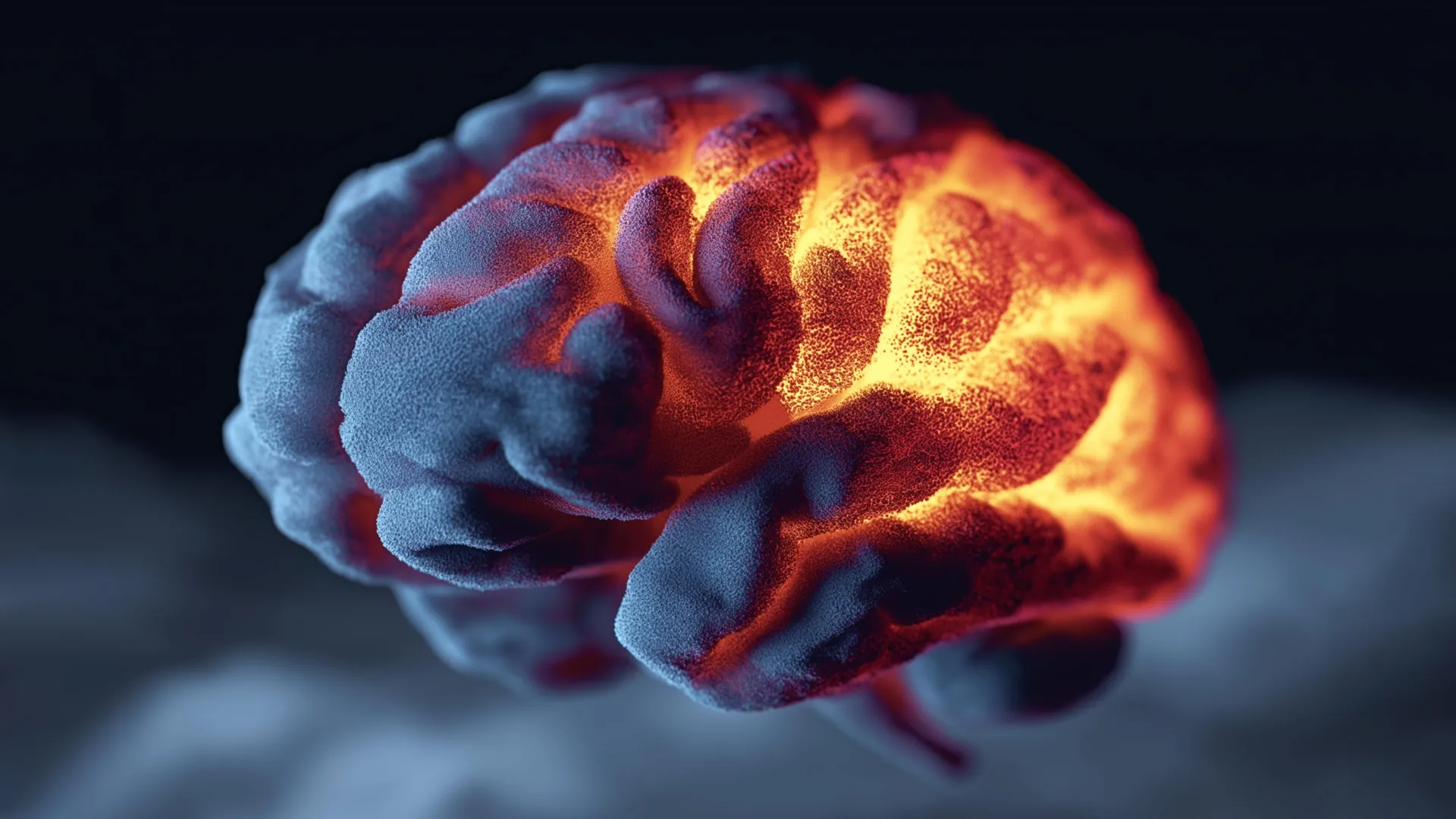
The study revealed significant changes in two critical types of brain cells: excitatory neurons that play essential roles in mood regulation and stress response, and a specific subtype of microglia, which are immune cells responsible for controlling brain inflammation. In both cell types, researchers found altered patterns of gene activity that suggest these cellular systems are not functioning normally in people with depression. The excitatory neurons showed disruptions in pathways related to neurotransmitter function and synaptic communication, while the microglia displayed changes associated with inflammatory processes and immune responses within the brain.
These findings provide compelling evidence that depression involves measurable, physical changes in brain cells rather than being purely psychological or emotional in nature. The research challenges outdated stigmas that have historically portrayed depression as a character weakness or lack of willpower, instead reinforcing scientific understanding that mental health conditions have clear biological underpinnings. "Depression isn't just emotional, it reflects real, measurable changes in the brain," Turecki emphasized, noting that this biological foundation validates the experiences of millions of people whose depression has been dismissed or minimized by others who don't understand the condition's physical reality.
The identification of specific cellular targets opens promising possibilities for developing more precise treatments for depression. Rather than the current approach of broadly affecting neurotransmitter systems throughout the brain, future therapies could potentially target the exact cell types and genetic pathways that are disrupted in depression. The researchers are now planning to investigate how these cellular differences affect overall brain function and whether therapies designed to correct these specific cellular abnormalities could provide more effective treatment options. This cellular-level understanding of depression represents a crucial step toward personalized medicine approaches that could dramatically improve outcomes for the hundreds of millions of people worldwide who suffer from this debilitating condition.