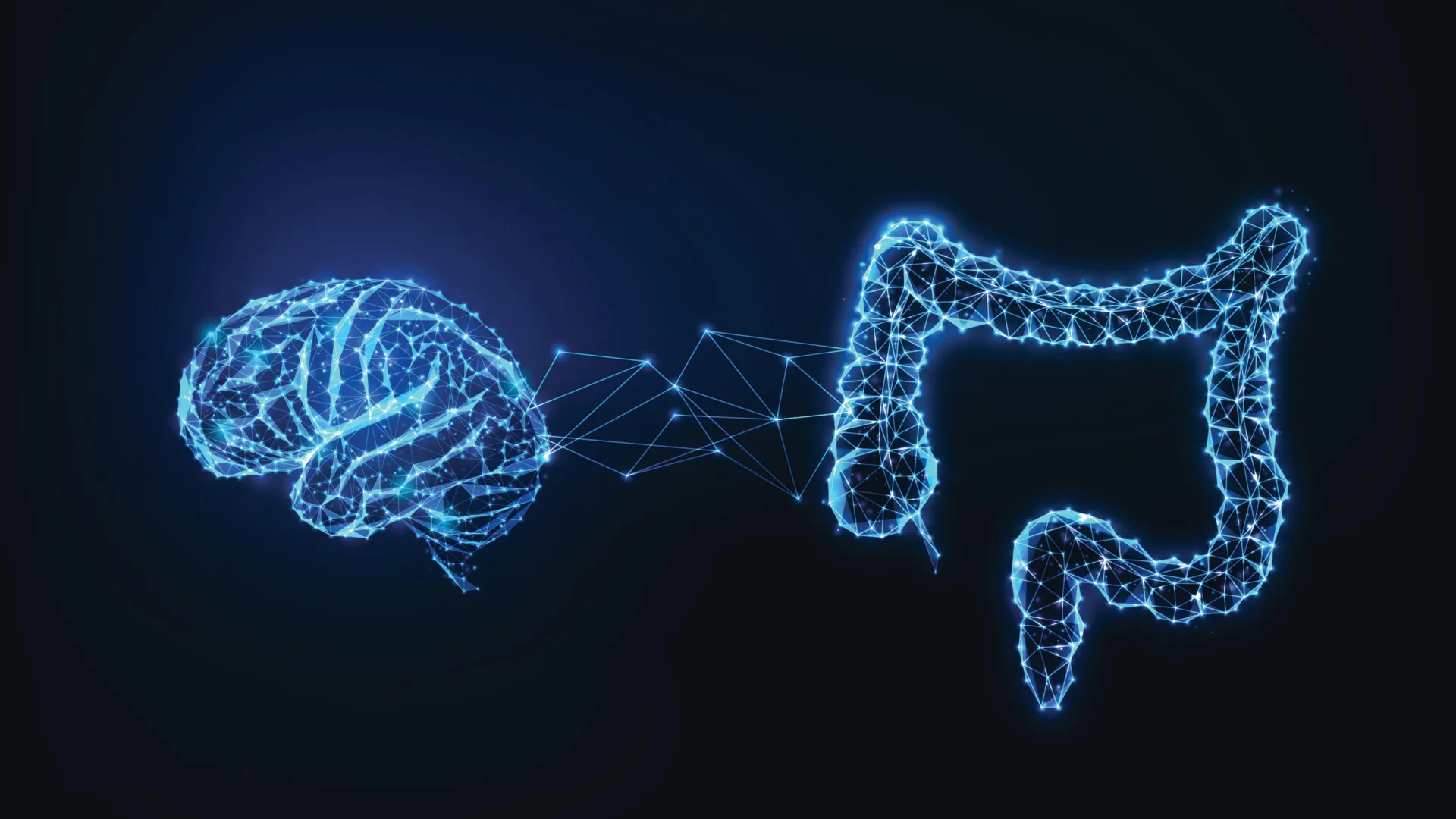
Harvard Scientists Link Gut Bacteria to Depression Through Inflammation Trigger
Breakthrough research reveals how Morganella morganii bacteria interacts with environmental pollutants to produce inflammation-causing molecules strongly linked to major depressive disorder.
Scientists at Harvard Medical School have identified a biological mechanism that could explain how gut bacteria contribute to depression, revealing that the bacterium Morganella morganii can interact with common environmental pollutants to trigger inflammation linked to major depressive disorder. The breakthrough research, published in the Journal of the American Chemical Society, provides the first clear molecular explanation for how this specific microbe may influence brain health through immune system activation.
The study focused on diethanolamine (DEA), an environmental contaminant commonly found in industrial, agricultural, and consumer products. Researchers discovered that when DEA replaces a sugar alcohol in molecules produced by M. morganii in the gut, it creates an altered compound that behaves dramatically differently from its normal counterpart. Instead of remaining harmless, this modified molecule activates the immune system and prompts the release of inflammatory proteins known as cytokines, particularly interleukin-6 (IL-6).
This chain of molecular events provides a potential explanation linking M. morganii to depression through chronic inflammation. Previous research has established strong connections between IL-6 and depressive disorders, while also associating M. morganii with other inflammatory conditions including type 2 diabetes and inflammatory bowel disease. The Harvard team's work represents the first time scientists have traced a specific pathway from this gut bacterium to inflammation that could affect mood and mental health.
"There is a story out there linking the gut microbiome with depression, and this study takes it one step further, toward a real understanding of the molecular mechanisms behind the link," said senior author Jon Clardy, the Christopher T. Walsh Professor of Biological Chemistry and Molecular Pharmacology at Harvard Medical School. The research addresses a long-standing question about whether M. morganii actually contributes to depression, whether depression changes the microbiome, or whether other factors explain the observed correlation.
The findings open new possibilities for both diagnosis and treatment of certain cases of depression. The researchers suggest that DEA could potentially serve as a biomarker to help identify specific cases of major depressive disorder linked to gut bacteria and environmental exposure. This could lead to more targeted therapeutic approaches that address the immune system rather than focusing solely on brain chemistry, potentially offering new hope for patients whose depression may be rooted in microbial-environmental interactions rather than traditional neurochemical imbalances.