Scientists Discover Gut Bacteria Trigger Behind ALS and Dementia
Breakthrough research reveals harmful bacterial sugars spark immune responses that damage brain cells, offering new treatment targets for devastating neurological diseases.
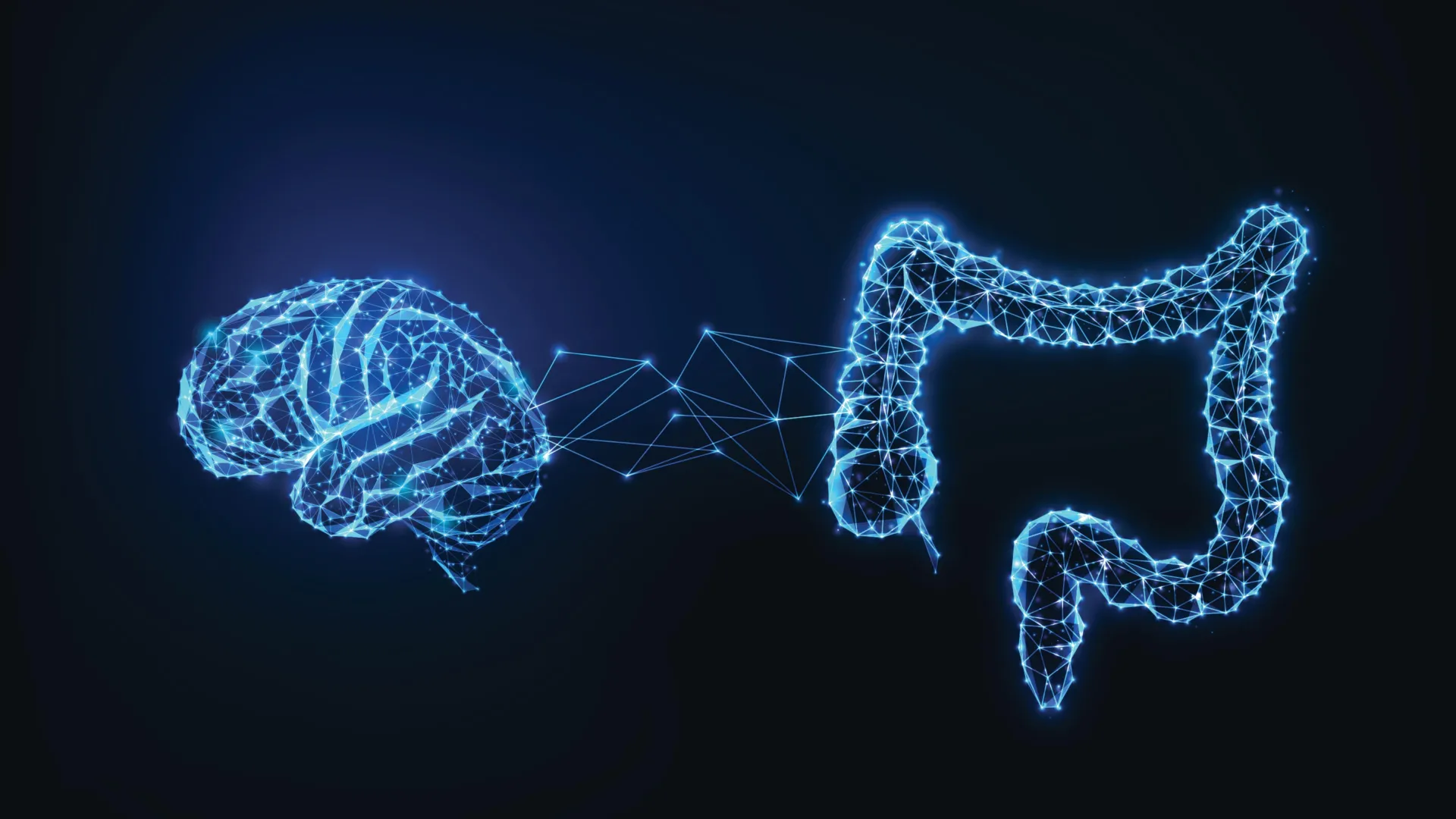
Researchers at Case Western Reserve University have uncovered a groundbreaking connection between gut bacteria and two of the most devastating brain disorders, Amyotrophic Lateral Sclerosis (ALS) and Frontotemporal Dementia (FTD). Their work identifies a clear molecular pathway linking microbes in the digestive system to brain cell death, potentially explaining why some genetically at-risk individuals develop these diseases while others remain healthy.
The research team discovered that certain bacterial strains produce inflammatory forms of glycogen, a type of sugar that triggers damaging immune responses in the brain. Aaron Burberry, assistant professor in the Department of Pathology at Case Western Reserve School of Medicine, explained that "harmful gut bacteria produce inflammatory forms of glycogen, and that these bacterial sugars trigger immune responses that damage the brain." This finding provides a mechanistic explanation for disease onset that has eluded scientists for decades.
In their study of 23 ALS and FTD patients, researchers found that 70% had elevated levels of these harmful glycogen molecules compared to only about one-third of healthy individuals. This dramatic difference suggests that gut bacterial activity could serve as both a biomarker for disease risk and a target for therapeutic intervention. The discovery is particularly significant for individuals carrying the C9ORF72 mutation, the most common genetic cause of both ALS and FTD, as it helps explain why not all mutation carriers develop the disease.
The therapeutic implications of this research are immediately apparent, as the team successfully demonstrated that reducing harmful gut sugars in experimental models improved brain health and extended lifespan. Alex Rodriguez-Palacios, assistant professor in the Digestive Health Research Institute, noted that the ability to target these bacterial products opens entirely new avenues for treatment development. Current approaches could include medications designed to break down damaging sugars in the digestive system or therapies that modulate the gut-brain connection.
This breakthrough represents a paradigm shift in understanding neurodegenerative diseases, moving beyond traditional focuses on genetics and environmental factors to highlight the critical role of the microbiome. The research suggests that maintaining healthy gut bacteria populations could be a key strategy for preventing these devastating conditions, while also providing hope for developing treatments that target the root cause rather than just managing symptoms of ALS and FTD.