New Stool Test Detects 90% of Colorectal Cancers Using Gut Bacteria Analysis
Researchers at the University of Geneva used machine learning to analyze bacterial subspecies in stool, approaching colonoscopy 94% detection rate with a simple non-invasive test.

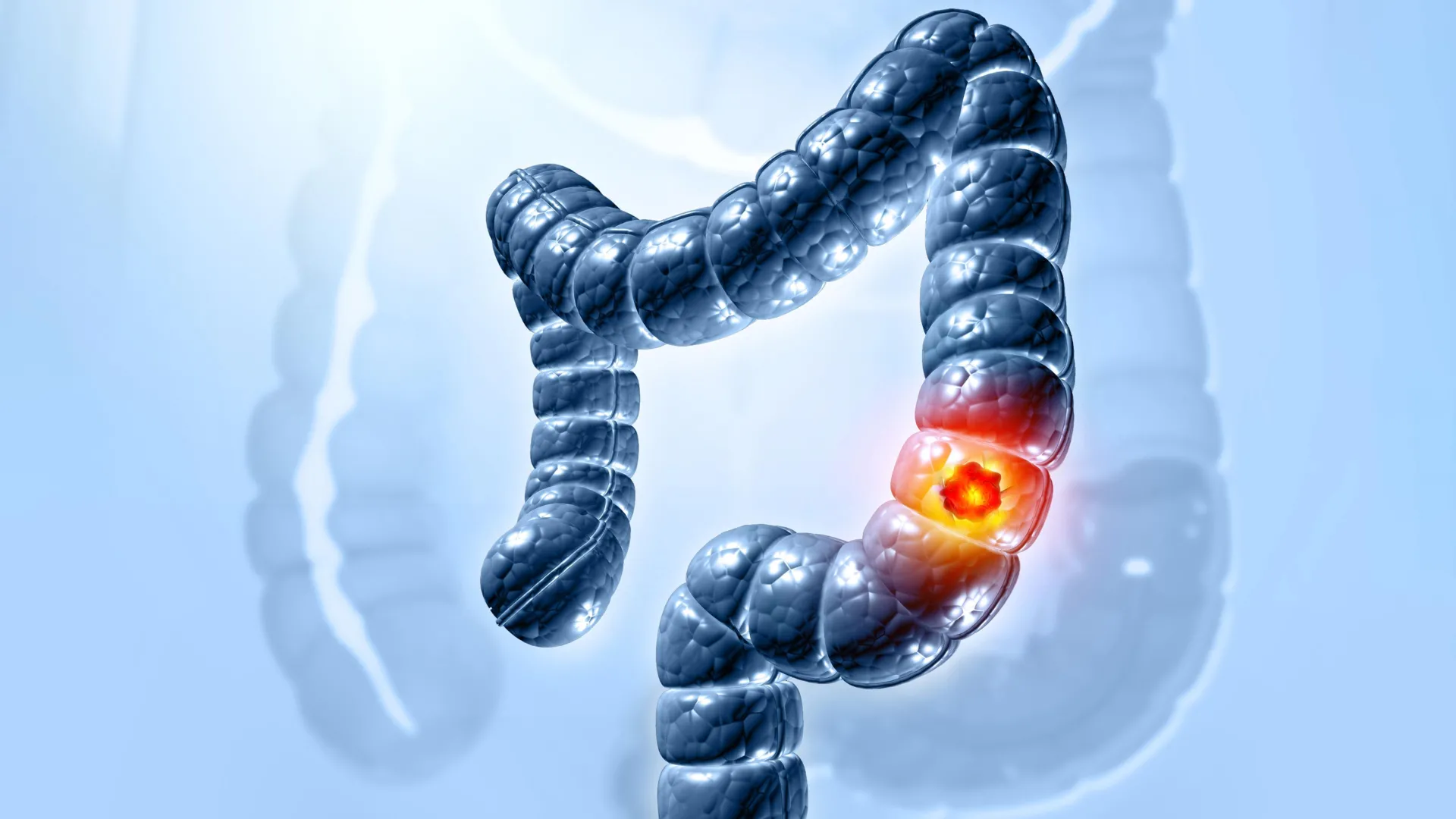
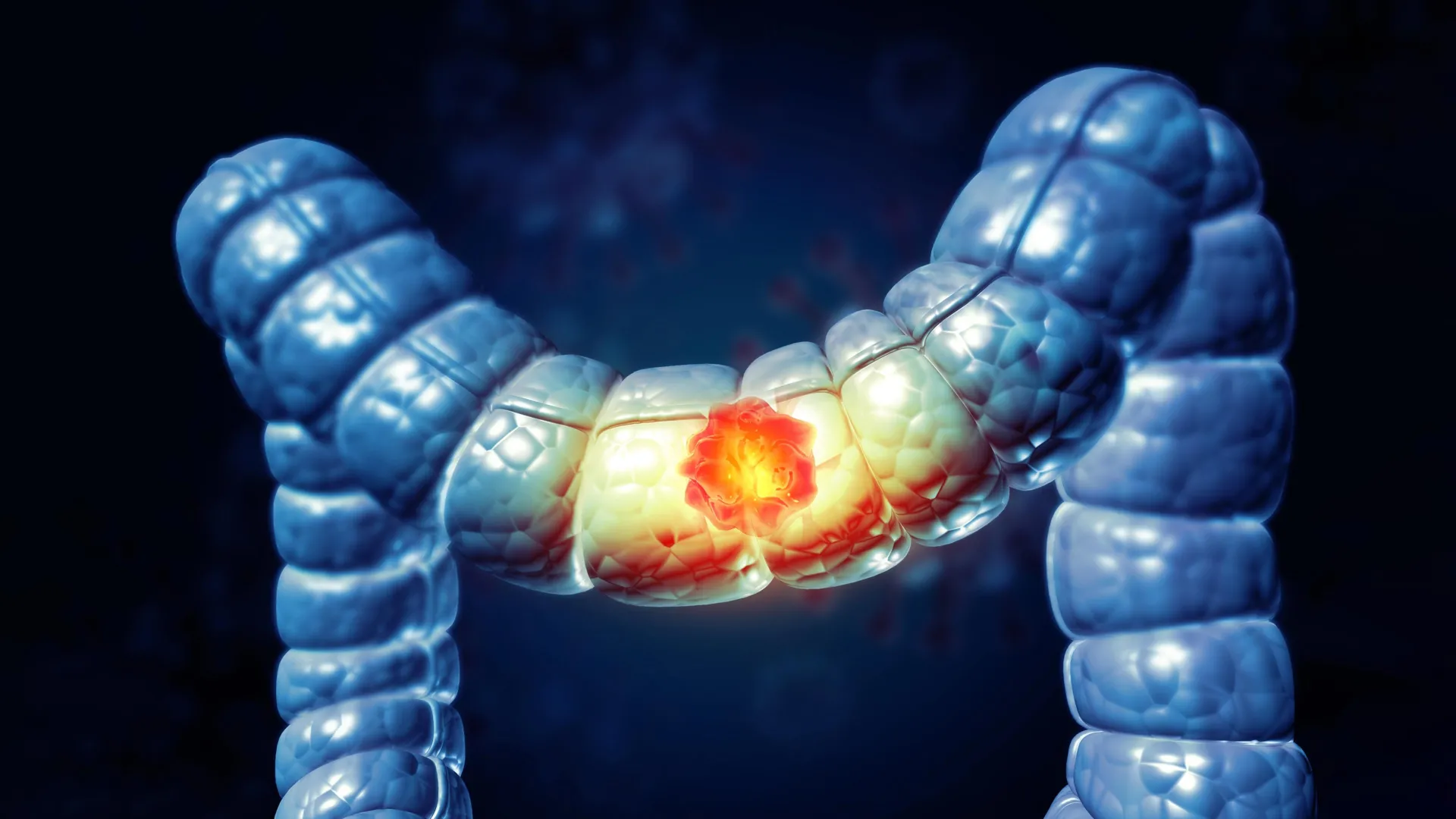
Researchers at the University of Geneva have developed a non-invasive stool test capable of detecting colorectal cancer in 90% of cases — approaching the 94% detection rate of colonoscopy, the current gold standard — using machine learning to analyze gut bacteria at an unprecedented level of precision. The study, published in the journal Cell Host & Microbe, represents a significant step toward screening methods that could dramatically increase the number of people who agree to be tested for one of the world's deadliest cancers.
Colorectal cancer is the second leading cause of cancer deaths globally. Despite that sobering statistic, colonoscopy rates remain far below recommended levels in most countries, largely because the procedure requires bowel preparation, sedation, and time off work — barriers that deter millions of people who might otherwise be screened. A reliable, accurate stool-based test that could be performed at home and mailed to a laboratory could transform early detection rates and, consequently, survival outcomes.
The Geneva team's innovation lies not in stool testing itself — simpler fecal tests already exist — but in the granularity of the analysis. Lead researcher Mirko Trajkovski, a full professor in the Department of Cell Physiology and Metabolism at UNIGE, and doctoral student Matija Trickovic trained a machine learning model to identify bacterial subspecies in stool samples, rather than simply cataloguing bacterial species as conventional microbiome analyses do. The distinction matters because even bacteria that appear identical at the species level can perform very different biological functions and contribute differently to disease processes.
"The subspecies resolution is specific and can capture the differences in how bacteria function and contribute to diseases including cancer," Trajkovski said. "Our method detected 90% of cancer cases, a result very close to the 94% detection rate achieved by colonoscopies." The team analyzed stool samples from a cohort of patients with confirmed colorectal cancer and healthy controls, using the machine learning model to identify bacterial subspecies signatures that distinguish cancerous from non-cancerous guts.
The study builds on a growing body of research linking specific alterations in gut microbiome composition to colorectal cancer development. Certain bacterial strains are known to produce compounds that promote inflammation and DNA damage in the colon lining; others appear to crowd out protective species. What the Geneva team demonstrated is that analyzing the microbiome at subspecies resolution — a level of detail previously impractical in large-scale studies — dramatically improves the ability to distinguish healthy and cancerous microbiome profiles.
Experts not involved in the study praised the findings while noting that the test will require validation in larger, more diverse populations before clinical deployment. The current study cohort was relatively small, and it remains to be determined whether the bacterial signatures identified in Swiss patients will generalize across populations with different dietary patterns, antibiotic histories, and genetic backgrounds. The researchers also acknowledged that the test's 10% miss rate, while impressive for a non-invasive method, means it could not fully replace colonoscopy for high-risk individuals.
Nevertheless, the clinical implications are significant. Existing approved stool tests, such as the Cologuard test used widely in the United States, detect colorectal cancer through DNA mutations and blood in stool; the Geneva team's microbiome approach offers a complementary and potentially more sensitive signal. The researchers said they are now working to simplify the sequencing process to reduce cost and increase throughput, with the goal of making the test affordable enough for routine population screening within the next several years.