Scientists Discover Hidden Brain Switch That Controls When You Stop Eating
Breakthrough research reveals astrocytes, not just neurons, play crucial role in appetite control through newly identified glucose pathway.
Scientists have uncovered a previously unknown brain mechanism that controls appetite, revealing that astrocytes — cells long considered mere support structures for neurons — actually play a crucial role in telling your brain when to stop eating. The discovery, published in the Proceedings of the National Academy of Sciences, challenges fundamental assumptions about how the brain regulates hunger and could lead to new treatments for obesity and eating disorders.
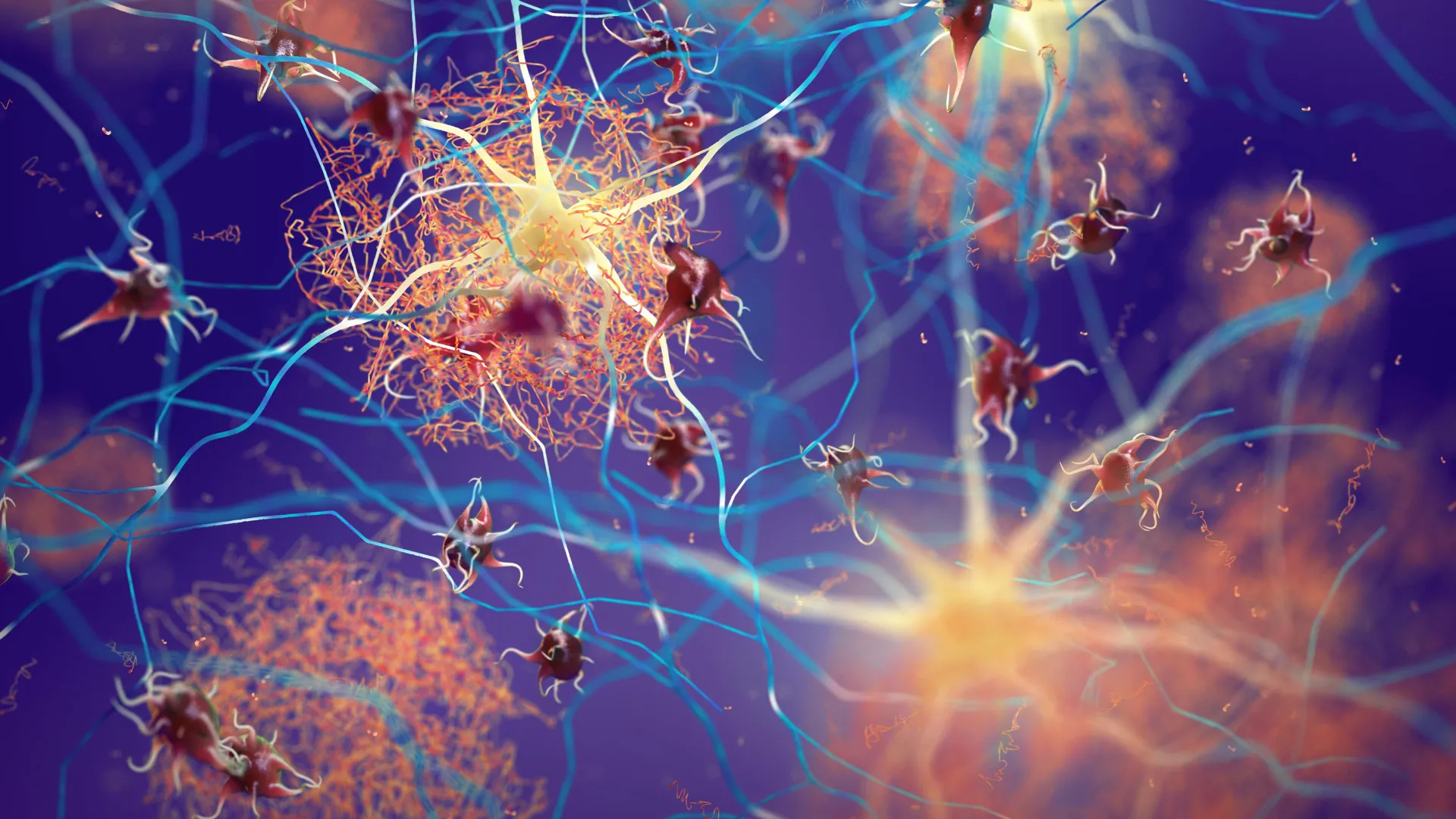
For years, researchers believed that appetite control centered almost entirely on neurons, the brain's primary signaling cells. However, the new study from the University of Concepción in Chile, working with colleagues at the University of Maryland, shows a more complex system involving multiple types of brain cells working together in the hypothalamus, the brain region responsible for hunger and fullness sensations.
The newly discovered pathway begins with specialized brain cells called tanycytes, which line a fluid-filled cavity deep within the brain and monitor glucose levels in cerebrospinal fluid. After a meal, when glucose levels rise, tanycytes process this sugar and release lactate, a metabolic byproduct, into nearby brain tissue. This lactate then interacts with neighboring astrocytes, setting off the next stage of the signaling cascade.
Ricardo Araneda, a professor in the University of Maryland's Department of Biology and corresponding author of the study, explained that researchers previously thought lactate from tanycytes communicated directly with appetite-controlling neurons. However, the team discovered an unexpected intermediary in this conversation: astrocytes carry a receptor called HCAR1 that detects lactate, and when activated, these cells release glutamate, a chemical messenger that signals neurons to suppress appetite.
The research has significant implications for understanding and treating metabolic disorders. The complexity of the newly identified pathway suggests that appetite regulation involves much more sophisticated cellular communication than previously recognized. This discovery opens new avenues for developing therapies that could target specific components of the signaling chain, potentially offering more precise treatments for obesity, eating disorders, and other conditions related to appetite dysregulation.