Scientists Discover Hidden 'Drain' in the Human Brain That Clears Toxic Proteins
A previously unknown waste-removal pathway running along the middle meningeal artery could explain how the brain disposes of amyloid proteins and what goes wrong in Alzheimer's disease.
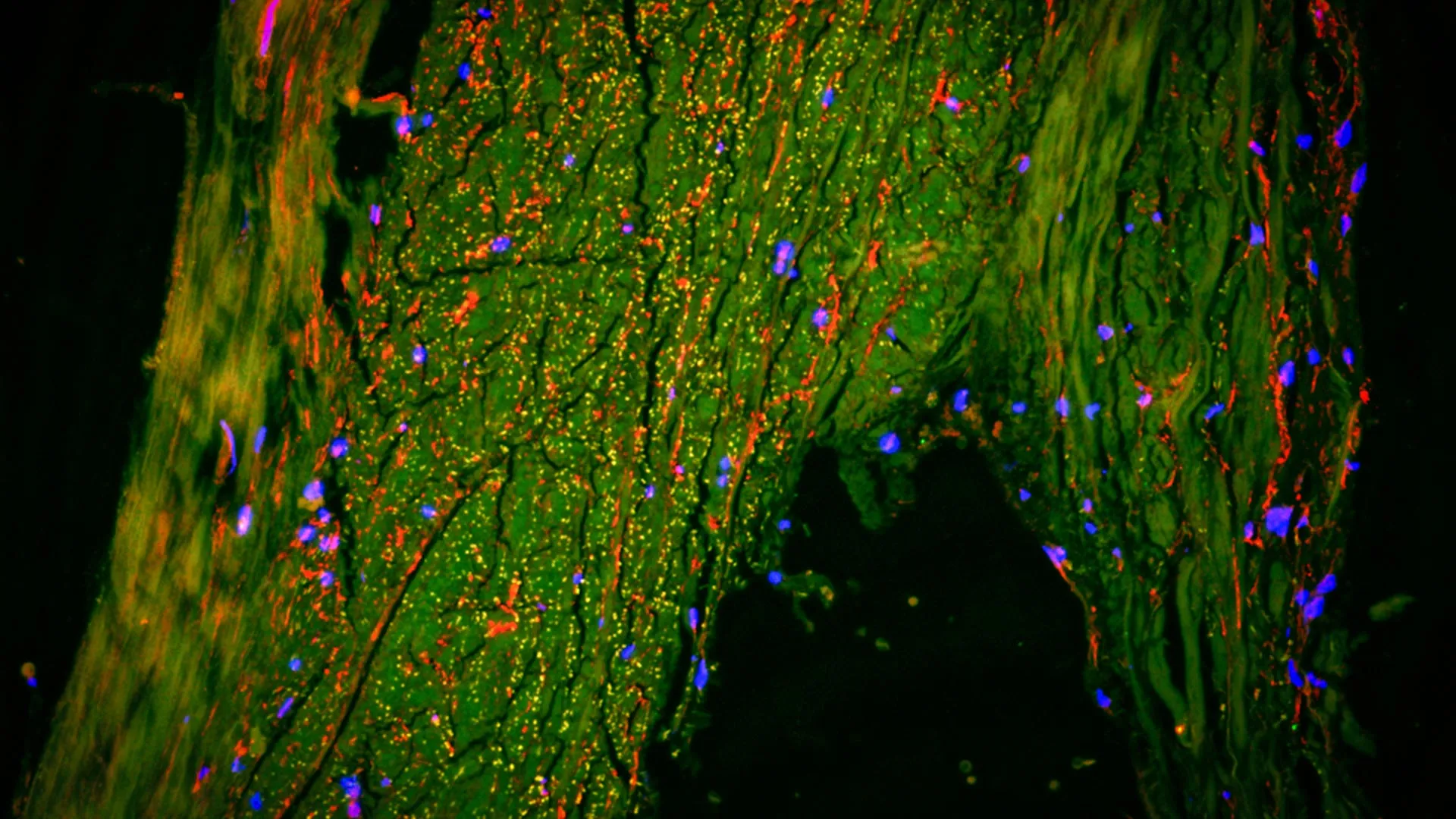
Scientists at the Medical University of South Carolina have discovered a previously unknown waste-removal pathway in the human brain, identifying a slow lymphatic-like drainage system running along the middle meningeal artery — a finding that could reshape understanding of how the brain clears toxic proteins and what goes wrong in Alzheimer's disease and other neurodegenerative conditions. The research, published Thursday in the journal iScience, used advanced MRI technology to observe cerebrospinal fluid dynamics in living human subjects with a level of precision not previously achievable.
The brain's waste-management system has been one of the more active areas of neuroscience research in recent years, following the description of the "glymphatic system" — a network through which cerebrospinal fluid flushes waste products from brain tissue, primarily during sleep. But researchers have struggled to fully account for how waste exits the brain once the glymphatic system has moved it toward the brain's outer layers. The MUSC study fills part of that gap by showing that the middle meningeal artery, a vessel that runs along the membrane enveloping the brain, serves a drainage function in addition to its known role supplying blood to the meninges.
Lead researcher Onder Albayram, Ph.D., an associate professor in the Department of Pathology and Laboratory Medicine at MUSC, described the finding as counterintuitive. "We saw a flow pattern that didn't behave like blood moving through an artery," Albayram said. "It was slower, more like drainage, showing that this vessel is part of the brain's cleanup system." The study involved five healthy individuals who underwent MRI monitoring over a six-hour period using a specialized imaging protocol developed by the MUSC team.
The specific substance being cleared along this pathway includes amyloid-beta, the protein fragment whose accumulation into plaques is the hallmark pathology of Alzheimer's disease. If the middle meningeal artery pathway functions as a drain for amyloid and other waste proteins, failures in this system could help explain why amyloid accumulates in aging brains — not necessarily because the brain produces too much of it, but because the drainage system becomes less efficient over time. This would align with evidence that Alzheimer's risk increases with age-related changes in blood vessel function.
The findings connect to research published in 2022 in Nature Communications that first flagged the middle meningeal artery as potentially involved in brain waste clearance, but the MUSC team's study represents the first direct observation of the drainage flow in living humans using real-time MRI. Previous work had relied on animal models or post-mortem tissue analysis, limiting its translational relevance to human disease.
Albayram emphasized that the next research priority is characterizing what "normal" looks like across different ages and health states. "Once we understand what normal looks like, we can recognize early signs of disease and design better treatments," he said. Several research groups are already investigating whether interventions that improve meningeal lymphatic drainage — including certain medications and physical interventions — can slow amyloid accumulation in animal models of Alzheimer's disease. The MUSC findings give those efforts additional mechanistic support.
Neurologists and Alzheimer's researchers who reviewed the study said it adds an important piece to a puzzle that has been assembled slowly over the past decade. The identification of a specific anatomical pathway for brain waste drainage creates a concrete target for both diagnostics — imaging the health of the middle meningeal artery could potentially serve as a biomarker for neurodegeneration risk — and therapeutics. Whether restoring the function of this pathway in patients with early Alzheimer's pathology can slow or reverse cognitive decline will require clinical trials, but the discovery of the pathway itself gives researchers a more precise roadmap to follow.