Scientists Find 'Focus Filter' Neurons That Let the Brain Tune Out Distractions
A small group of cells in the brain's ancient thalamic reticular nucleus acts as a gatekeeper for attention; switching them off in mice produced ADHD-like distractibility.
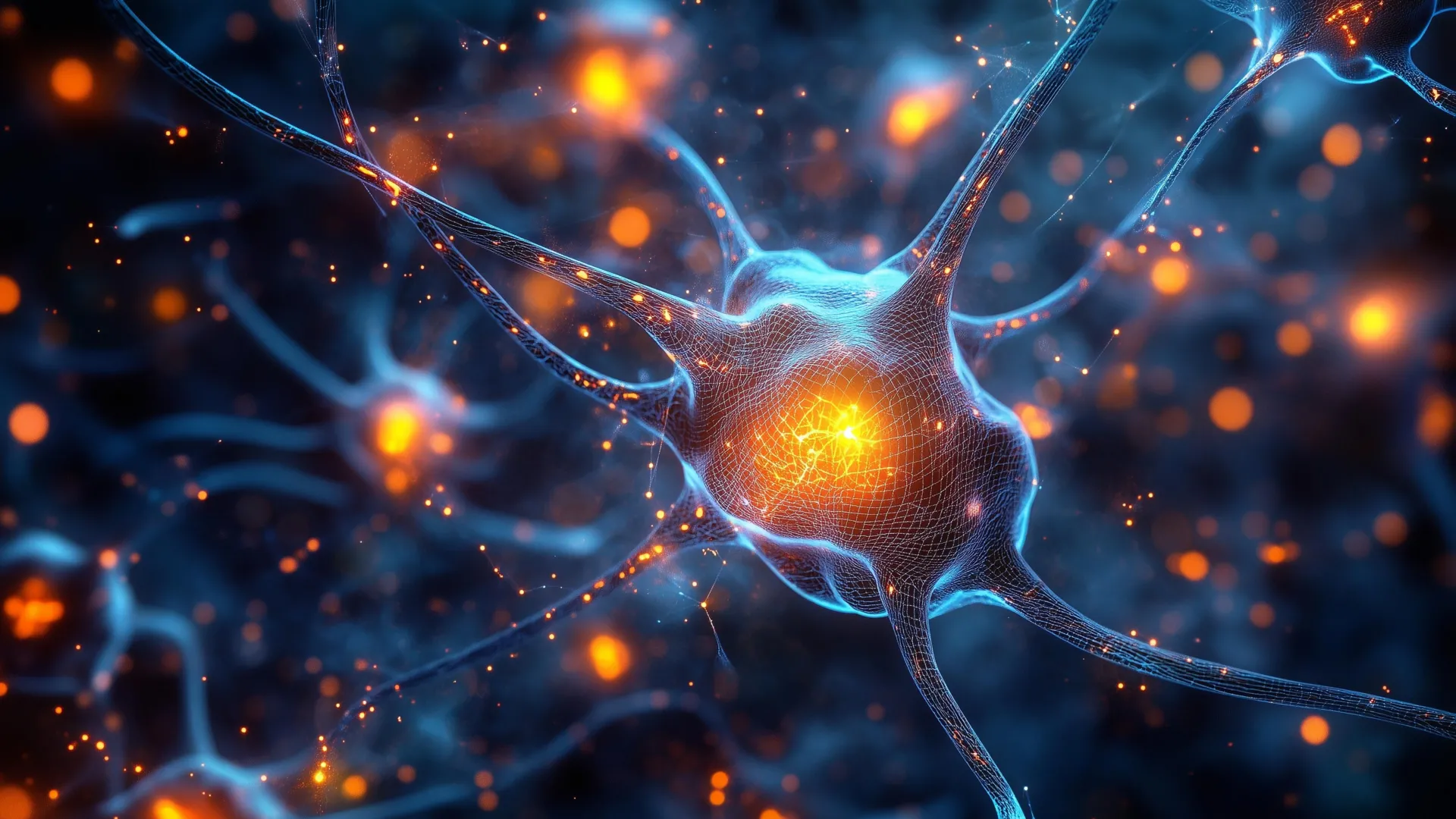
Scientists have identified a tiny population of neurons in an ancient region of the brain that functions like a built-in focus filter, helping the brain ignore irrelevant sights and sounds and lock onto what matters. The discovery, reported this week, sheds new light on the neural machinery of attention and could eventually inform treatments for conditions in which that machinery breaks down.
The cells reside in the thalamic reticular nucleus, or TRN, a thin shell of inhibitory neurons wrapped around the thalamus — the brain's central relay station for sensory information. Researchers have long suspected the TRN plays a gatekeeping role, screening out the flood of incoming signals that are not essential to whatever a person or animal is trying to do. The new work pins that function on a specific, identifiable group of neurons.
In experiments with mice, the team found that when these neurons were temporarily switched off, the animals became unusually distractible, struggling to stay on task in a way that researchers likened to attention-deficit/hyperactivity disorder. When the neurons were switched back on, normal focus returned almost immediately — a striking demonstration that the cells were directly controlling the animals' ability to concentrate.
The findings fit a broader model of how attention works. Neurons in the prefrontal cortex, the brain's executive command center, appear to tune sensitivity to sights and sounds by sending signals down to the inhibitory TRN cells, which then block out non-essential information before it can reach higher processing areas. "There is a huge effort that the brain puts into inhibiting irrelevant inputs," one researcher noted. "Without a reticular nucleus, we'd be utterly distracted."
That the filter sits in such an evolutionarily old part of the brain underscores how fundamental the ability to ignore distractions is to survival. For any animal navigating a noisy, dangerous world, the capacity to suppress the unimportant and attend to the critical — a rustle that signals a predator, the scent of food — is as vital as the senses themselves.
Beyond illuminating basic brain function, the work could have clinical implications. Disorders including ADHD, schizophrenia and autism are associated with disrupted sensory filtering, and a better understanding of the TRN's role may eventually point toward new approaches for helping people whose brains struggle to tune out the noise. For now, the research offers a vivid reminder that paying attention is not just about focusing on one thing — it is about actively shutting out everything else.