Chang'e-6 Moon Dust Holds a Form of Iron Never Before Seen in Lunar Samples
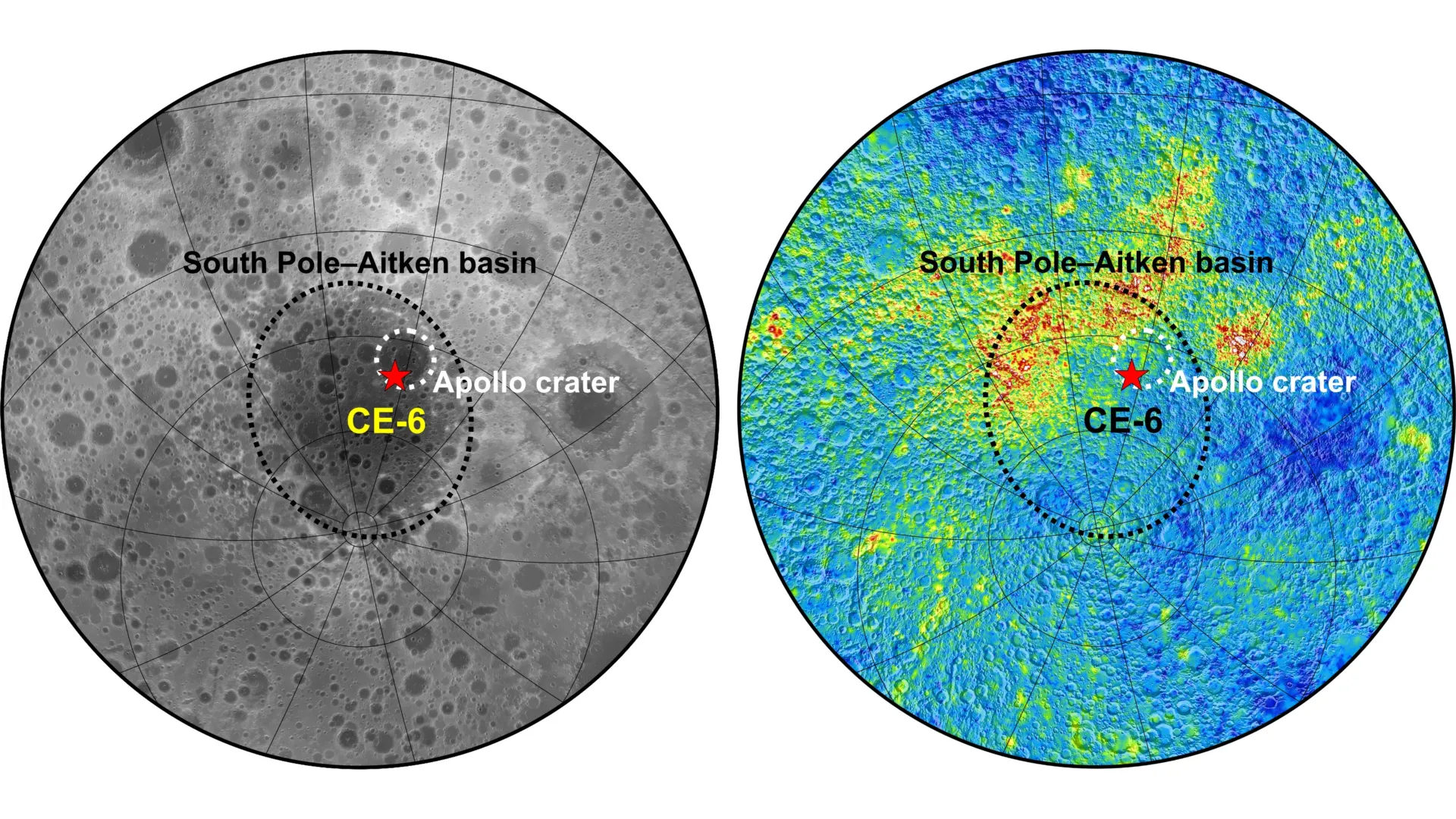
Chinese researchers found gamma-iron inside impact glass from the Moon's far side, a nanoscale 'magnetic fossil' that may record the Moon's lost magnetic field.
Topic
10 stories from Planck Standard. Latest: October 4, 2026.

Chinese researchers found gamma-iron inside impact glass from the Moon's far side, a nanoscale 'magnetic fossil' that may record the Moon's lost magnetic field.

Three experiments, including laser pulses billions of times brighter than conventional lasers, found no sign of the 'photomolecular effect' that earlier work proposed.

Quantum simulations published in PNAS find hydrogen concentrated at about 16% at the inner core boundary, thinning to 9% at the center — and moving through the iron lattice while the iron itself stays solid.

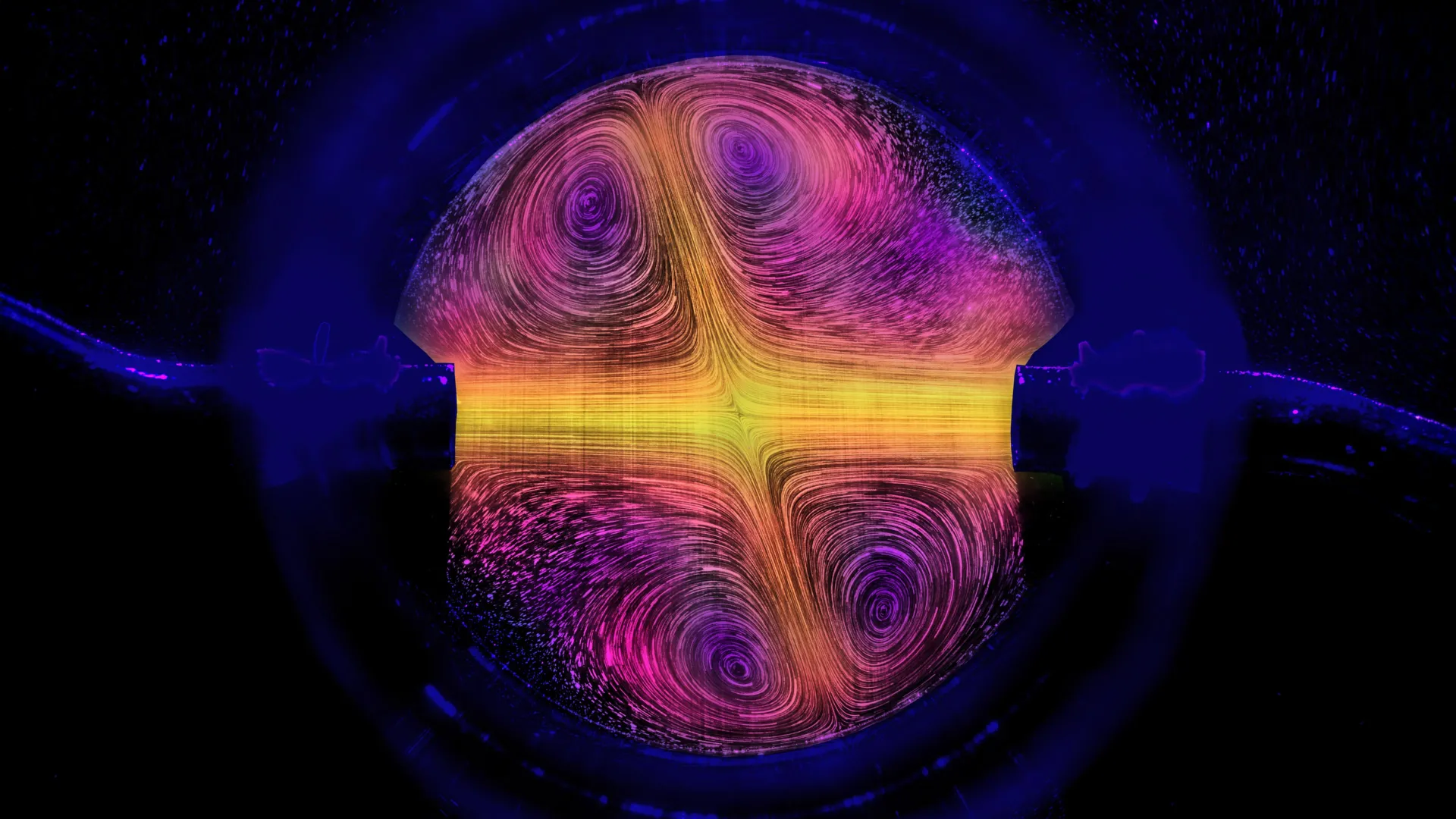
Richard Feynman made the puzzle famous after his own experiments failed. A team at the Courant Institute built looping, curved sprinklers, ran them forward and backward, and found the answer in the angular momentum of the water itself.

A new study finds decision signals appear in the brain's very first sensory relay, not just its command centers, upending a core assumption behind modern artificial intelligence.

University of Illinois researchers found that decision signals reach even the brain's primary sensory areas through rapid top-down feedback, overturning the idea that perception simply flows forward.

Signals tied to decision-making showed up in a region long dismissed as a simple sensory relay, suggesting the brain weighs choices from the very first moments a signal arrives — and hinting at a blueprint for more efficient artificial intelligence.

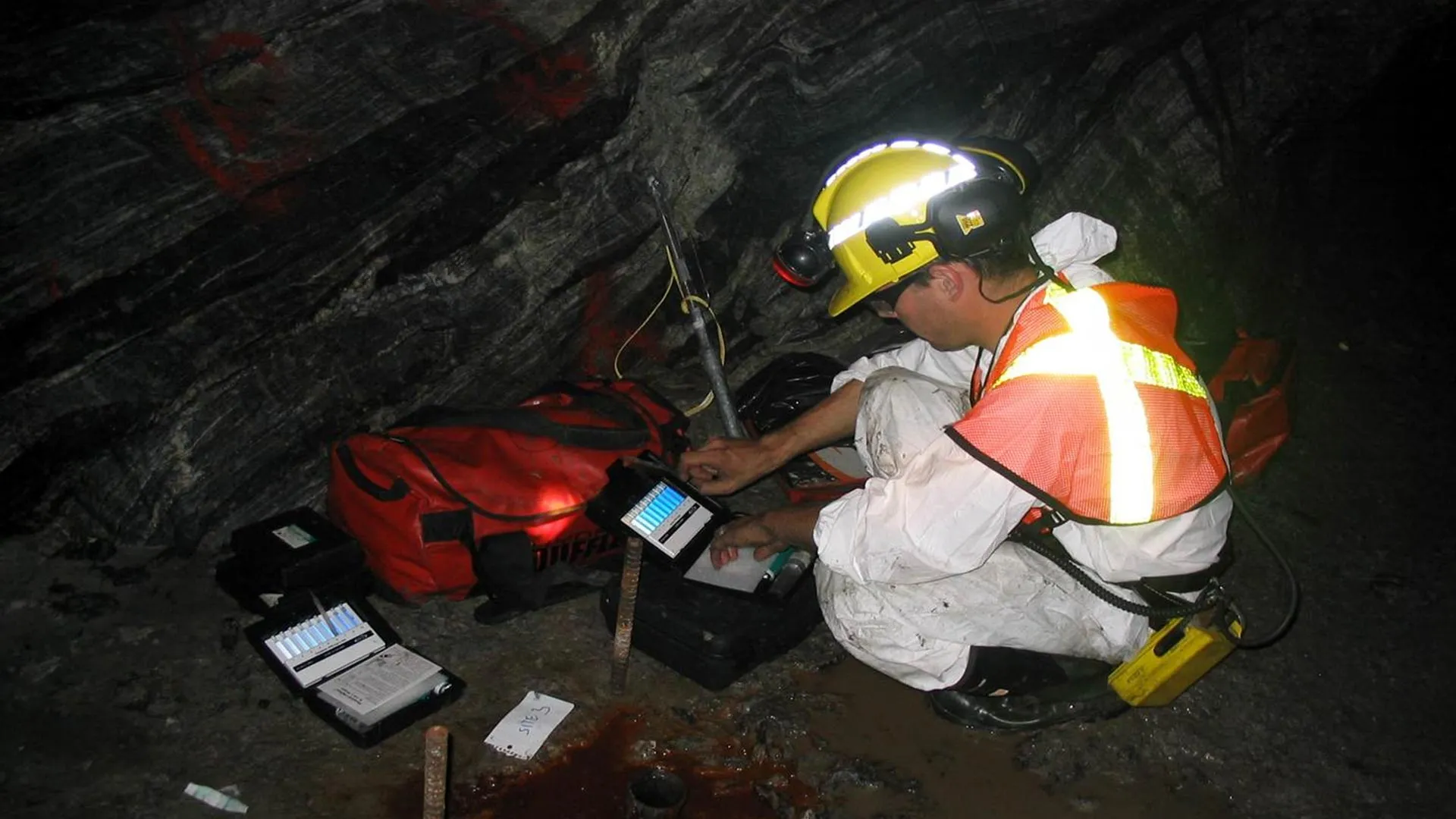
A new Proceedings of the National Academy of Sciences study by Barbara Sherwood Lollar and Jen-Ru Wang documents 15,000 boreholes venting more than 140 metric tons of pure hydrogen a year, enough to power roughly 400 households and signaling a potentially vast new clean-energy frontier across northern Canada.

A six-year study published in PNAS shows a small-molecule compound completely stopped sperm production in mice with full fertility restored within six weeks — a potential breakthrough for male birth control.

A new Alfred Wegener Institute study shows that opening tectonic gateways alone could not have created the world's most powerful ocean current — westerly winds had to align first, and the current itself may have initially flowed only in parts of the Southern Ocean.