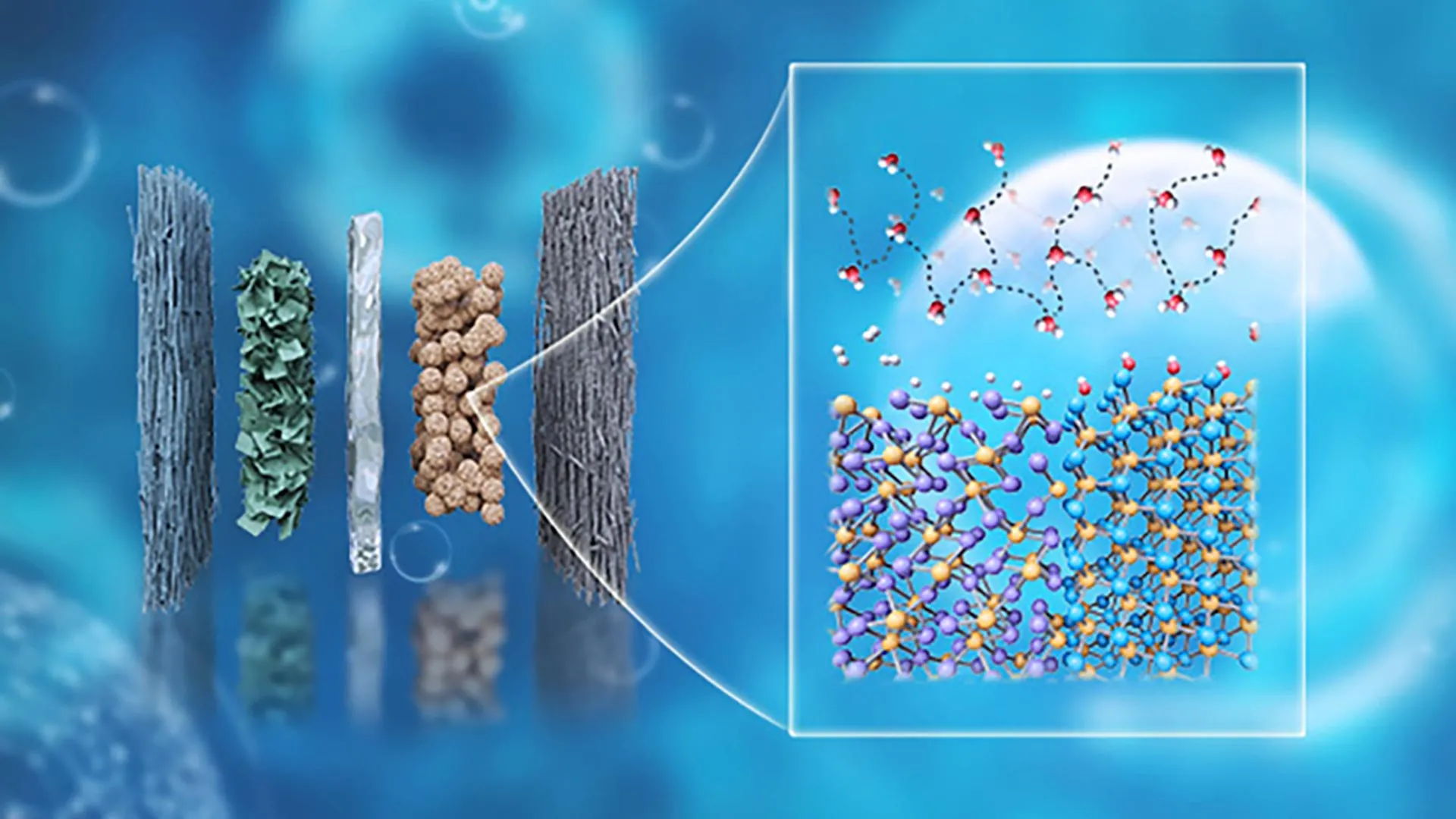
Oregon State Chemists Make Hydrogen From Water With a Sulfur-Based Light Catalyst
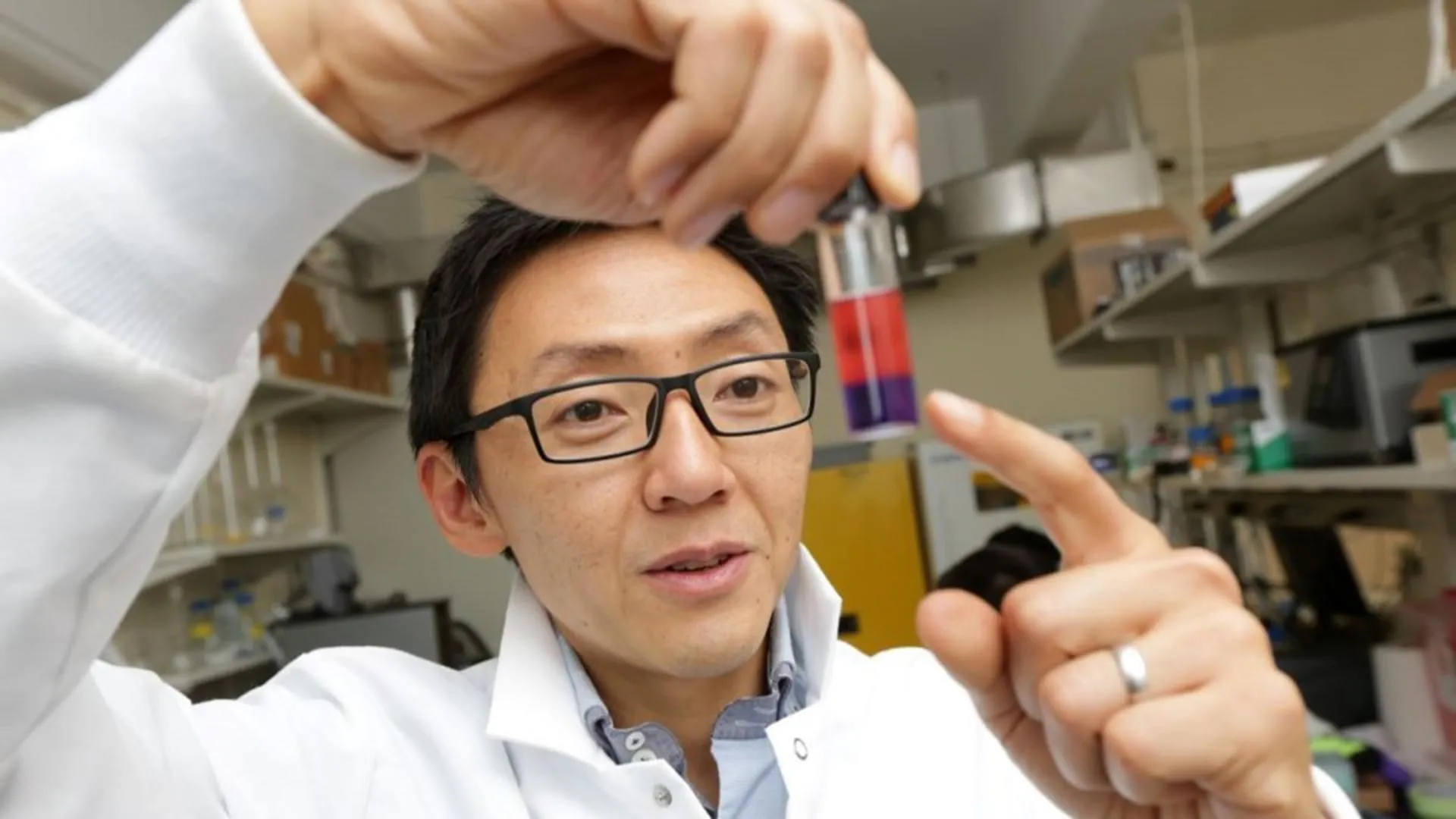
The new material, BVR-19, needs no added expensive metal catalyst and forms in water at room temperature, which could help cut the cost of green hydrogen.
Topic
19 stories from Planck Standard. Latest: October 4, 2026.

The new material, BVR-19, needs no added expensive metal catalyst and forms in water at room temperature, which could help cut the cost of green hydrogen.

Judge Mary McElroy in Rhode Island vacated the August 2025 termination in a suit led by the state AFL-CIO. The EPA says it is 'considering options for appeal.' A separate appeals court already found the other $20 billion of the green bank was improperly cut.

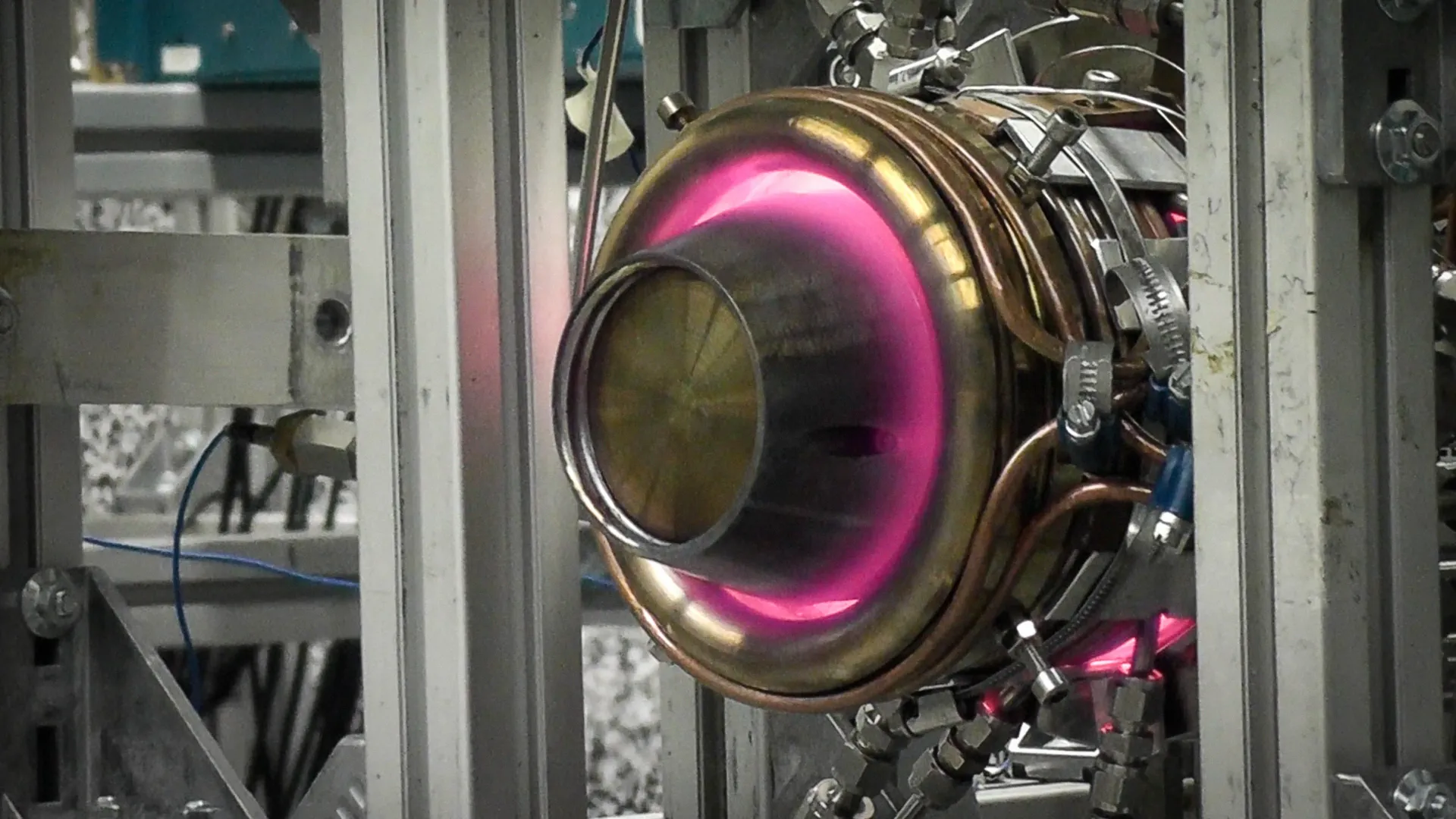
Conventional gas turbines burn about half their own output driving an air compressor. Karlsruhe engineers deleted the compressor and used detonation waves to raise the pressure instead — beating NASA's runtime record by 53 seconds.

University of Birmingham researchers say their abundant, non-toxic perovskite splits water into hydrogen at 150 to 500 degrees Celsius — potentially undercutting both green and blue hydrogen on cost.

Washington University engineers built a metal-phosphide cathode that outperformed platinum-based versions in lab tests, tackling one of the biggest cost barriers to green hydrogen.

The milestone represents a significant step forward for next-generation nuclear technology designed to be safer and more flexible than traditional reactors.

University of Birmingham researchers say their perovskite catalyst, built from cheap and non-toxic metals, could make hydrogen for less than today's 'green' and 'blue' methods by harnessing heat factories already throw away.
Companies say it's a better way to dispose of Cold War-era weapons material while addressing nuclear fuel shortages, but nonproliferation experts raise concerns.

Scientists adapted centuries-old glassmaking methods to create customizable porous materials for gas storage and separation.

A switchable-solvent technology described in Joule recovers more than 95 percent of dissolved lithium from sodium, magnesium and calcium-rich brines using a temperature trigger, potentially unlocking the Salton Sea, Smackover Formation, and oilfield-produced waters as major U.S. lithium sources.

Scientists adapt centuries-old glassmaking techniques to improve revolutionary porous materials for clean energy and gas storage applications.

Researchers adapt centuries-old glassmaking techniques to create advanced materials for clean energy and gas storage applications.

Scientists adapt centuries-old glassmaking techniques to develop advanced materials that could revolutionize clean energy and gas storage.

Scientists discover how to fine-tune futuristic porous glass using centuries-old techniques, potentially accelerating clean energy development.

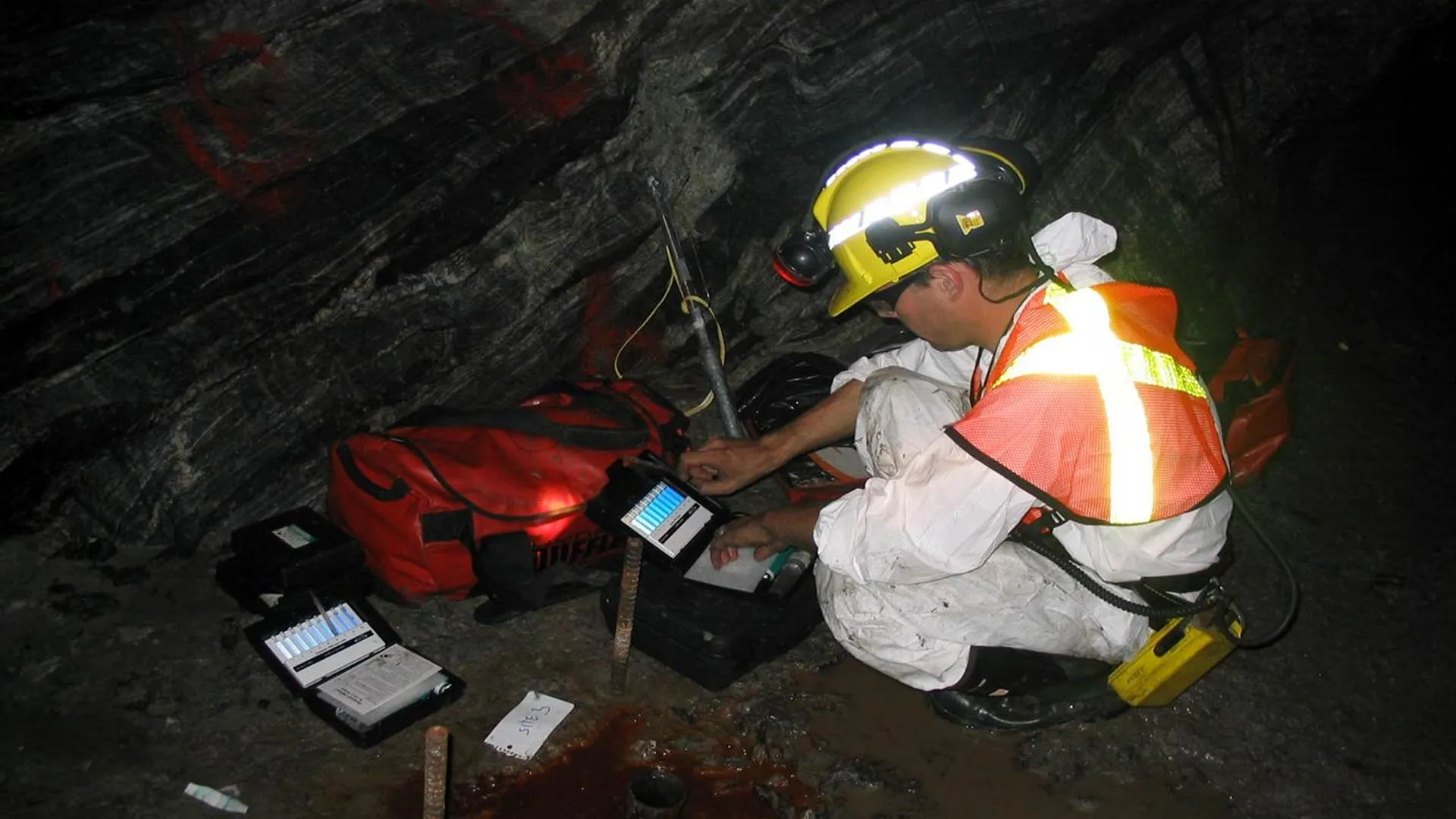
A new Proceedings of the National Academy of Sciences study by Barbara Sherwood Lollar and Jen-Ru Wang documents 15,000 boreholes venting more than 140 metric tons of pure hydrogen a year, enough to power roughly 400 households and signaling a potentially vast new clean-energy frontier across northern Canada.

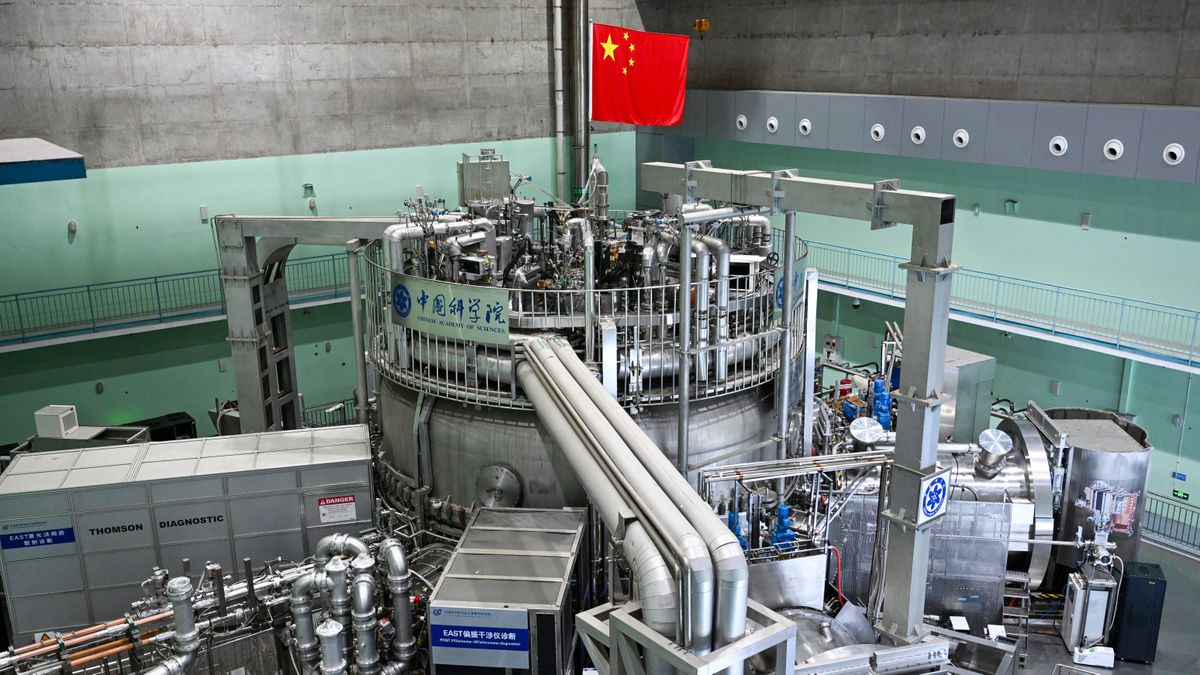
Scientists using China's EAST tokamak achieved stable plasma at 1.65 times the density barrier that fusion researchers had treated as a hard ceiling for four decades.

A team from CSIRO and RMIT University completed the first full charge-store-discharge cycle of a quantum battery — and found it charges faster the larger it grows, the opposite of every conventional battery ever made.

PPPL researchers found that the rotating core of tokamak plasma drives particle flows that previous models ignored, finally explaining why fusion exhaust slams one side of the reactor far harder than the other.

The EAST tokamak achieved stable plasma at 1.65 times the Greenwald density limit — a barrier physicists had long considered nearly unbreakable — in a result published in Science Advances.