New Catalyst Splits Water Into Hydrogen at Far Lower Temperatures, Turning Waste Heat Into Clean Fuel
University of Birmingham researchers say their perovskite catalyst, built from cheap and non-toxic metals, could make hydrogen for less than today's 'green' and 'blue' methods by harnessing heat factories already throw away.
Researchers at the University of Birmingham have developed a catalyst that splits water into hydrogen at far lower temperatures than existing technologies, raising the prospect that factories, steel plants, cement works and renewable-energy sites could turn the heat they already waste into a valuable clean fuel.
The catalyst generated substantial amounts of hydrogen at temperatures between 150 and 500 degrees Celsius and could be regenerated at 700 to 1,000 degrees — roughly 500 degrees lower than the conditions current water-splitting catalysts demand. That sharp reduction in the energy needed to drive and reset the reaction is the key to the team's claim that the approach could make hydrogen cheaper than today's leading methods.
Most hydrogen today is produced either as "green" hydrogen, by using renewable electricity to electrolyze water, or as "blue" hydrogen, by stripping it from methane while capturing the resulting carbon dioxide. Both remain costly. By contrast, the Birmingham process could tap industrial waste heat — energy that would otherwise escape into the atmosphere — to produce hydrogen at a lower price than either route, the researchers say.
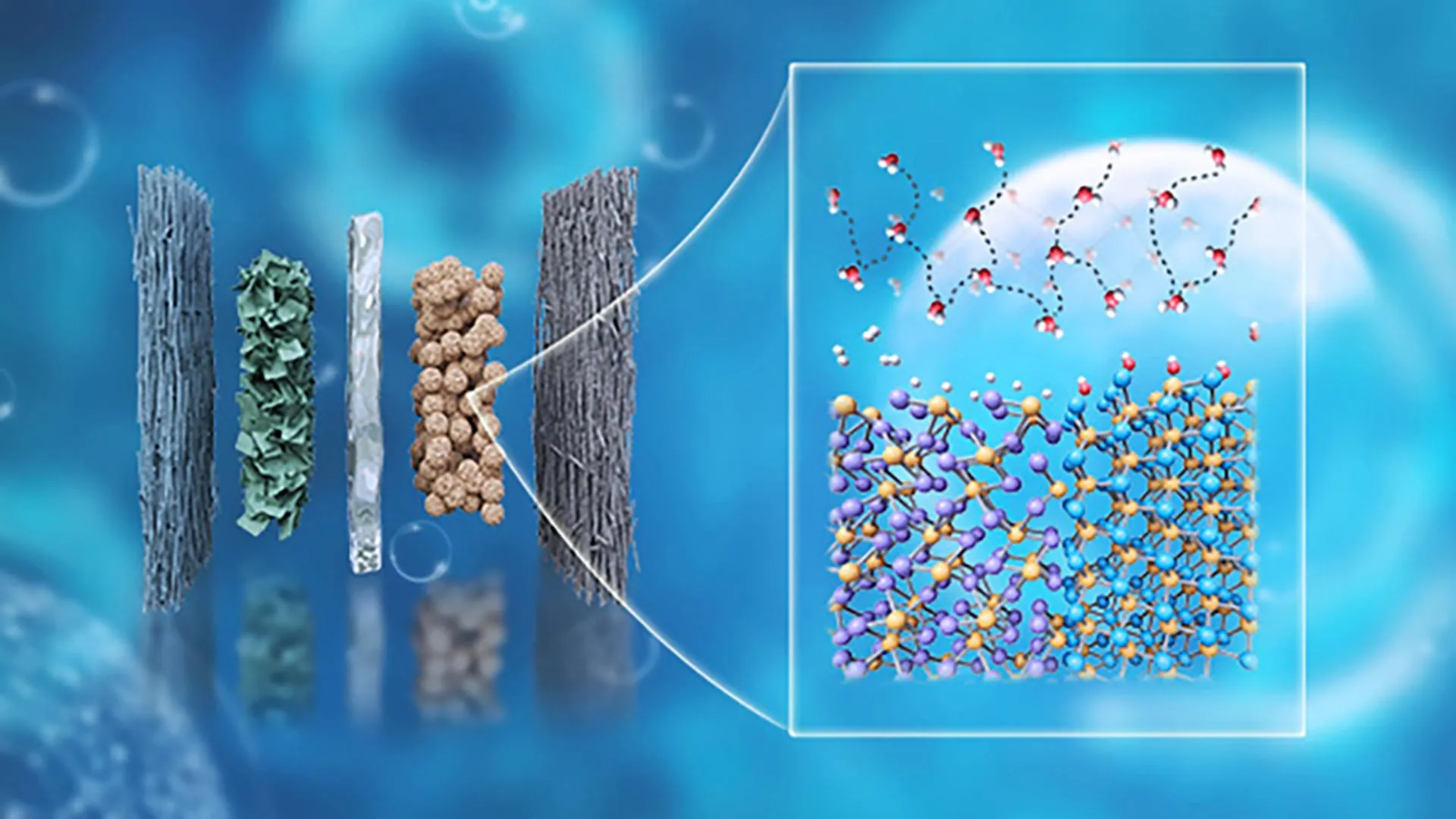
The catalyst itself is made from barium, niobium, calcium and iron, a family the team calls BNCF perovskites. The metals are abundant and inexpensive, the material requires no complex synthesis, and it contains no toxic ingredients — all factors that matter for scaling a technology from the laboratory to heavy industry. A formulation dubbed BNCF100 proved optimal, and the study confirmed it retained its hydrogen-producing ability across at least 10 cycles of operation and regeneration.
That durability is significant, because catalysts that degrade quickly are impractical for industrial use no matter how impressive their initial performance. Demonstrating repeated regeneration at lower temperatures suggests the material could withstand the demands of a working plant rather than a one-off experiment.
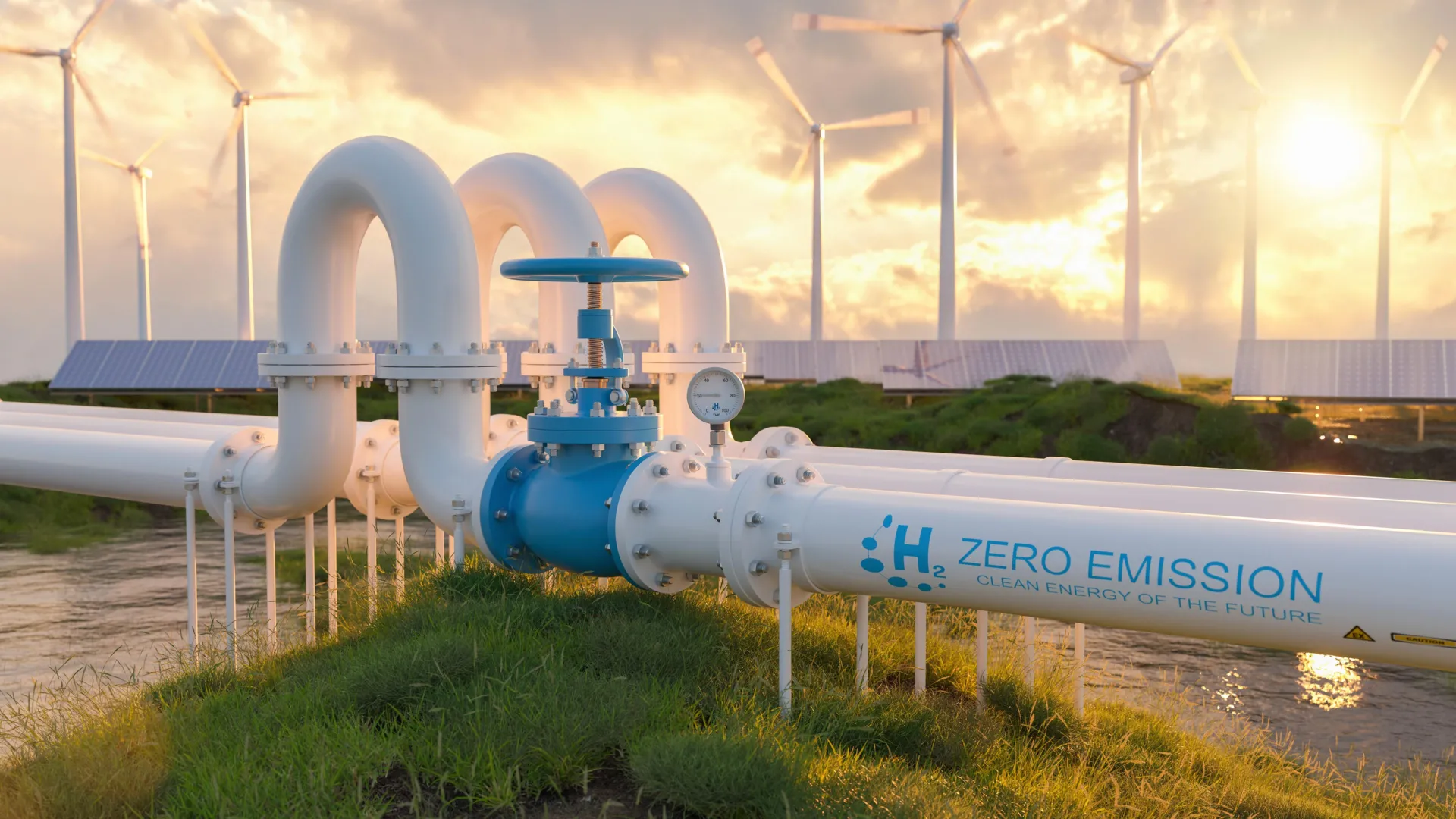
Hydrogen has long been pitched as a linchpin of efforts to clean up the parts of the economy that electricity alone cannot easily reach — heavy industry, long-haul transport and chemical production among them. The obstacle has always been cost: making hydrogen cleanly remains expensive, and much of the world's supply still comes from fossil fuels in a process that emits large amounts of carbon dioxide. A route that undercuts both green and blue hydrogen on price could change the economics of those hard-to-abate sectors.
The University of Birmingham is now working to commercialize the technology in the United Kingdom and Europe and has filed a patent application covering the use of BNCF catalysts for low-temperature water splitting. If the process holds up at scale, it could give energy-intensive industries — long among the hardest sectors to decarbonize — a cheaper on-site route to a fuel that burns without releasing carbon, while putting their own waste heat to work. Independent researchers will want to see the results replicated outside the lab and the catalyst tested over far more than 10 cycles before declaring a breakthrough, but the prospect of cheap hydrogen from otherwise wasted heat is the kind of claim that could draw swift industrial interest.