
Physics
MeerKAT Detects How Cosmic Hydrogen Clumps on the Largest Scales, a 21-cm First
After a decade of work, the MeerKLASS team pulled a faint signal out of foregrounds 10,000 times stronger, showing hydrogen follows the cosmic web.
Topic
17 stories from Planck Standard. Latest: November 8, 2026.
After a decade of work, the MeerKLASS team pulled a faint signal out of foregrounds 10,000 times stronger, showing hydrogen follows the cosmic web.

KAIST-led researchers used an X-ray laser to watch oxygen vacancies trap electrons, a clue for better sunlight-driven hydrogen production.

The isolated cloud J1351+0039 holds about 130 million suns of mass and shows no stars in deep optical images.

Watching nickel electrodes while they split water, researchers found the working layer is nickel dioxide, not nickel oxyhydroxide, forcing a rethink of hydrogen catalyst chemistry.
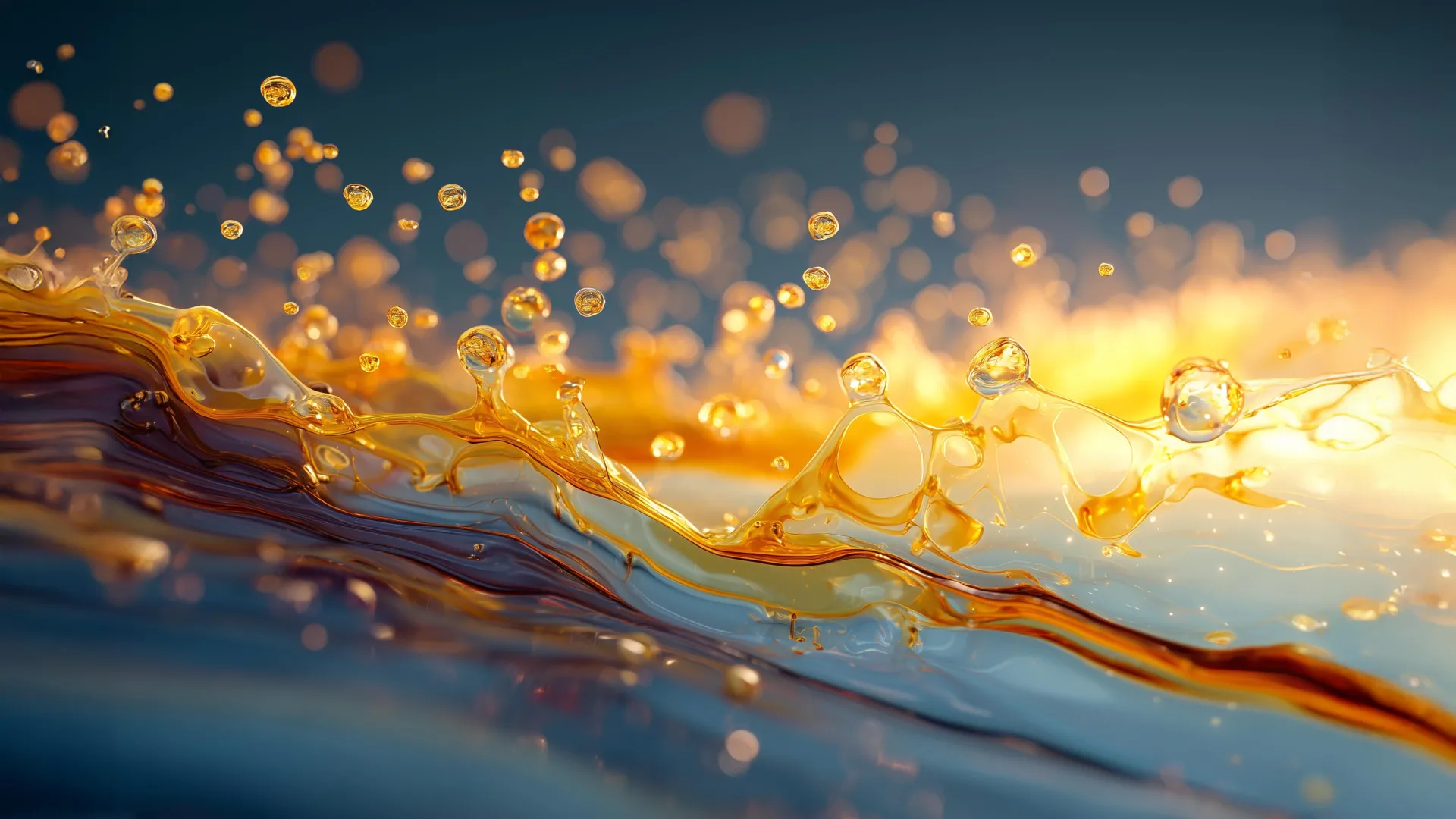
The new material, BVR-19, needs no added expensive metal catalyst and forms in water at room temperature, which could help cut the cost of green hydrogen.

After burning more than 100 pickles, Josh Méndez says the classroom stunt is a hybrid: an electrical spark ignites hydrogen gas, and sodium in the brine supplies the color.

For the first time the radio telescope detected the cosmic hydrogen signal using only its own data. That opens a cheaper, faster route to testing what dark energy really is.

Each holds about three million suns' worth of hydrogen inside a halo weighing 3.7 billion solar masses. If the interpretation holds, they are dark matter halos that never lit up.
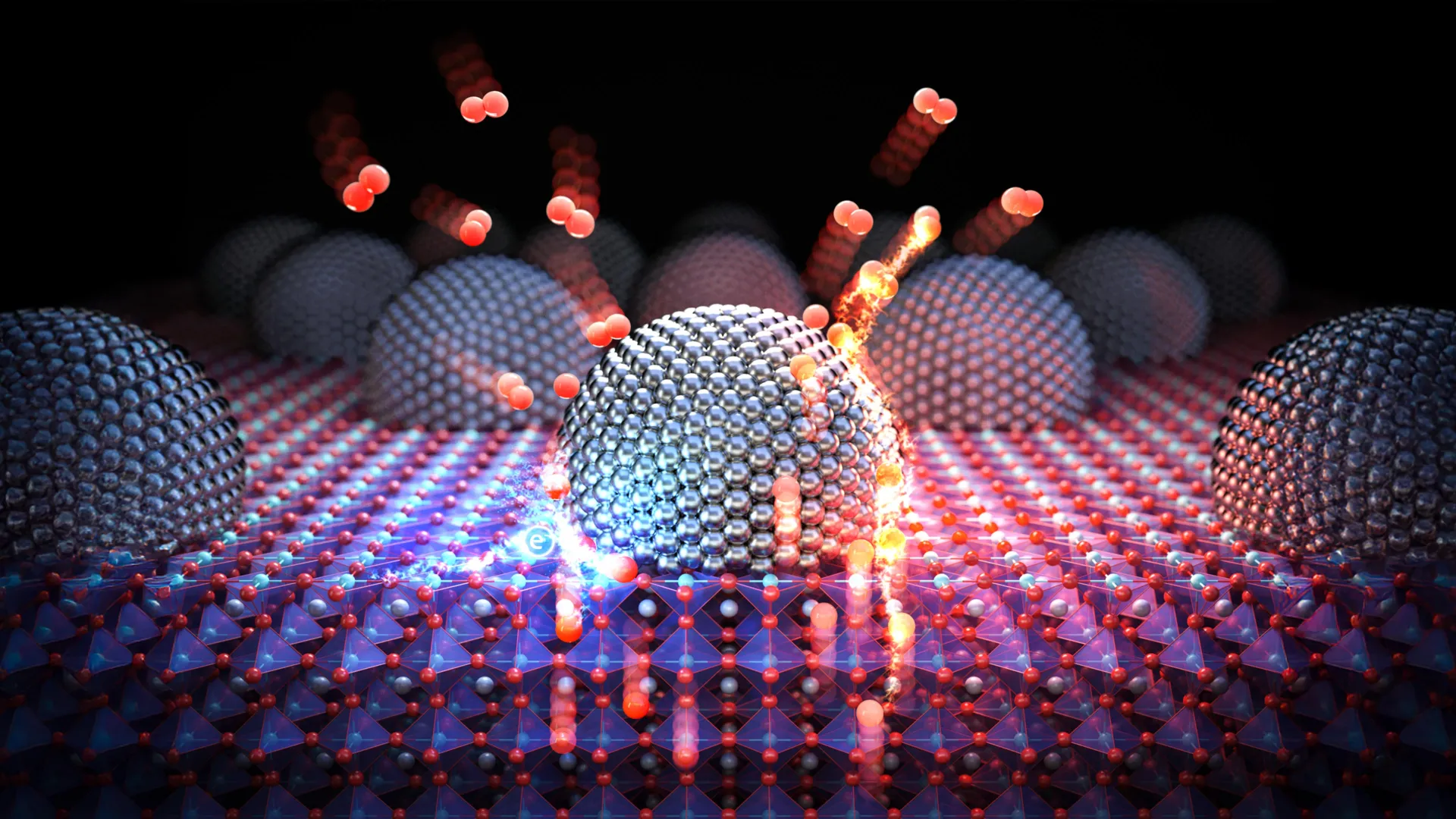
A Seoul National University team found the active site on a solid oxide cell's silver nanocatalyst moves when the device flips from making electricity to making hydrogen.

Washington University engineers cracked a trade-off that has blocked fuel-cell catalysts for years, and they are aiming it at the data centers now on track to eat 9% of U.S. electricity.
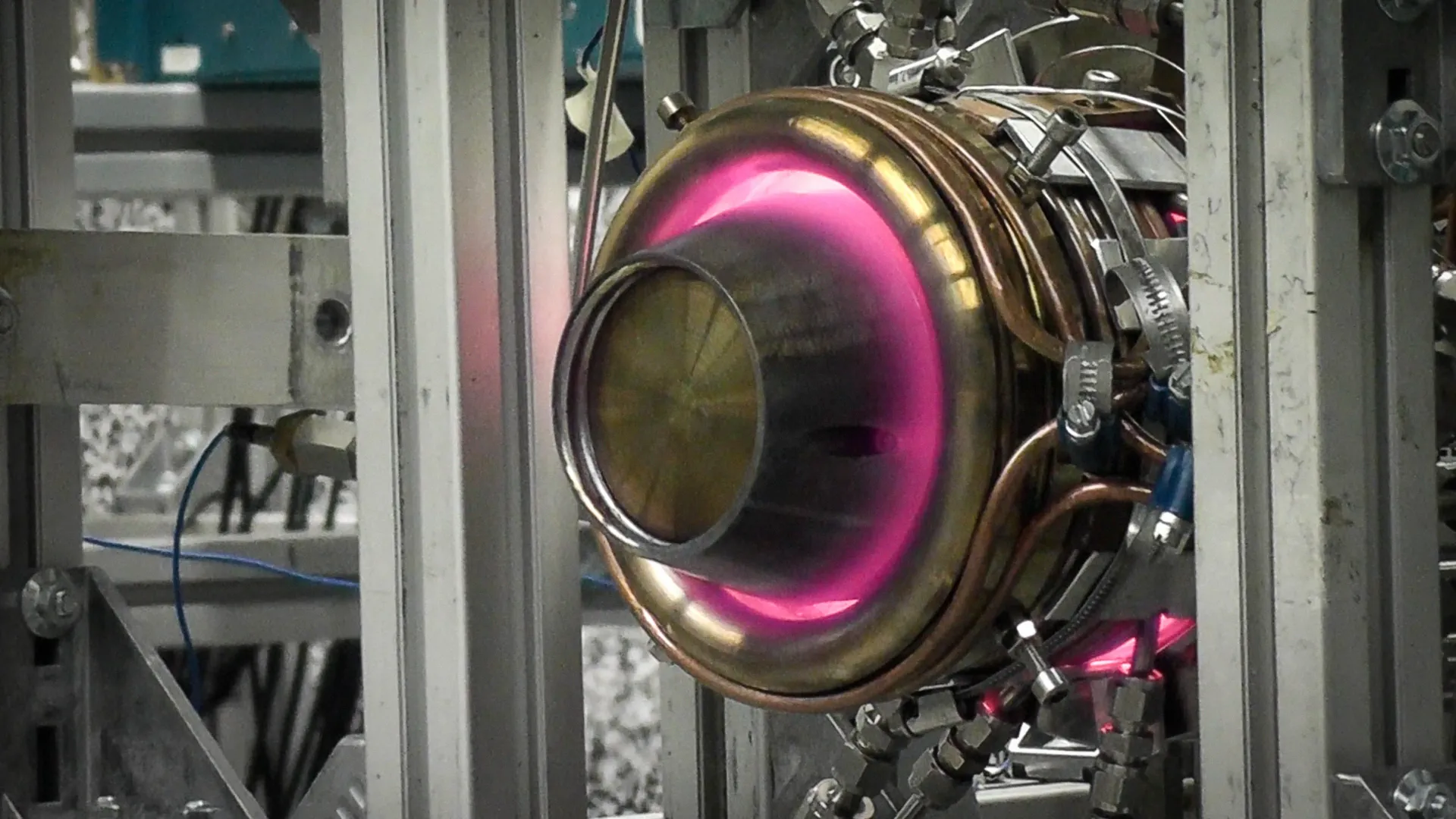
Conventional gas turbines burn about half their own output driving an air compressor. Karlsruhe engineers deleted the compressor and used detonation waves to raise the pressure instead — beating NASA's runtime record by 53 seconds.

Quantum simulations published in PNAS find hydrogen concentrated at about 16% at the inner core boundary, thinning to 9% at the center — and moving through the iron lattice while the iron itself stays solid.

University of Birmingham researchers say their abundant, non-toxic perovskite splits water into hydrogen at 150 to 500 degrees Celsius — potentially undercutting both green and blue hydrogen on cost.
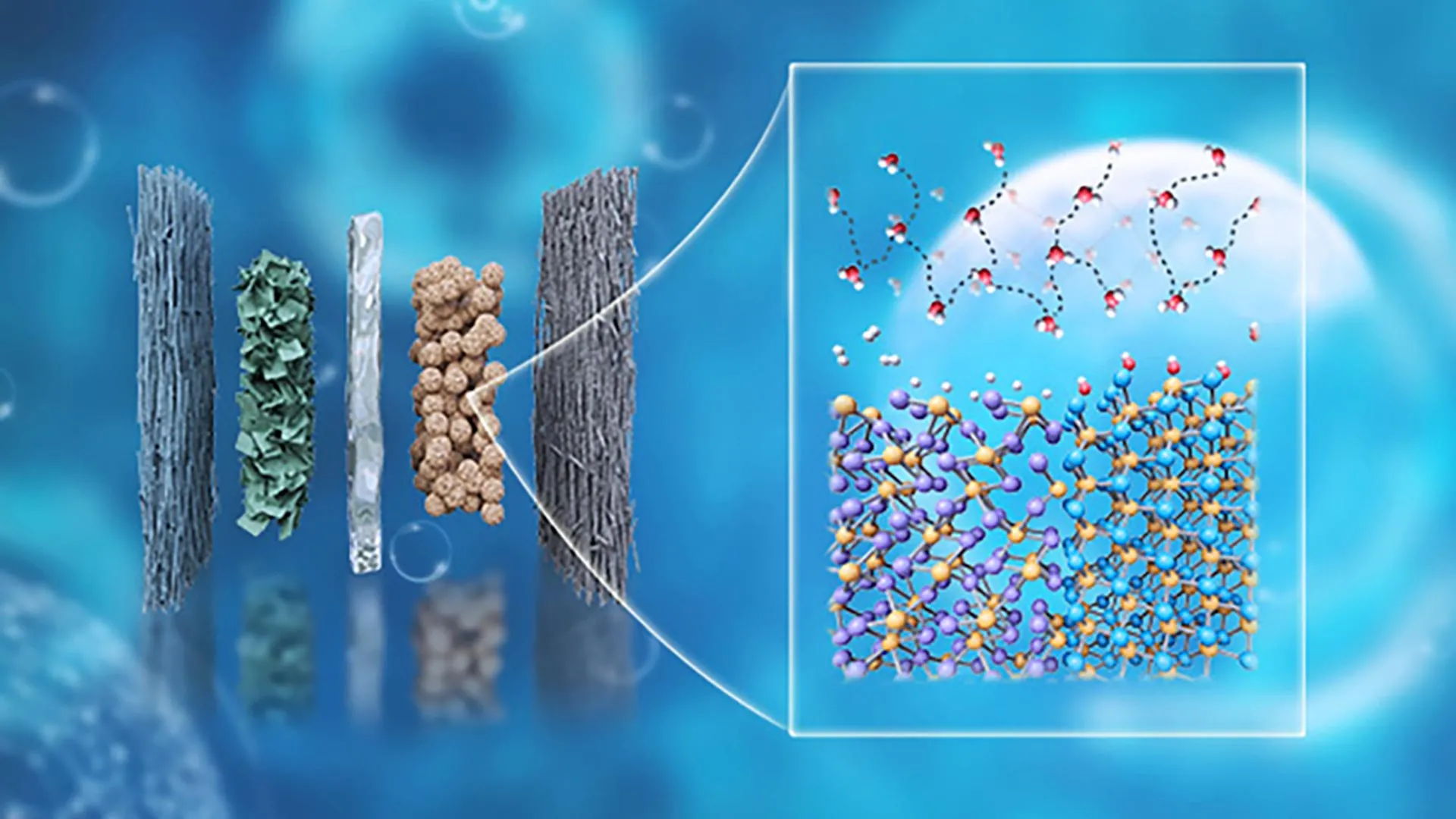
Washington University engineers built a metal-phosphide cathode that outperformed platinum-based versions in lab tests, tackling one of the biggest cost barriers to green hydrogen.
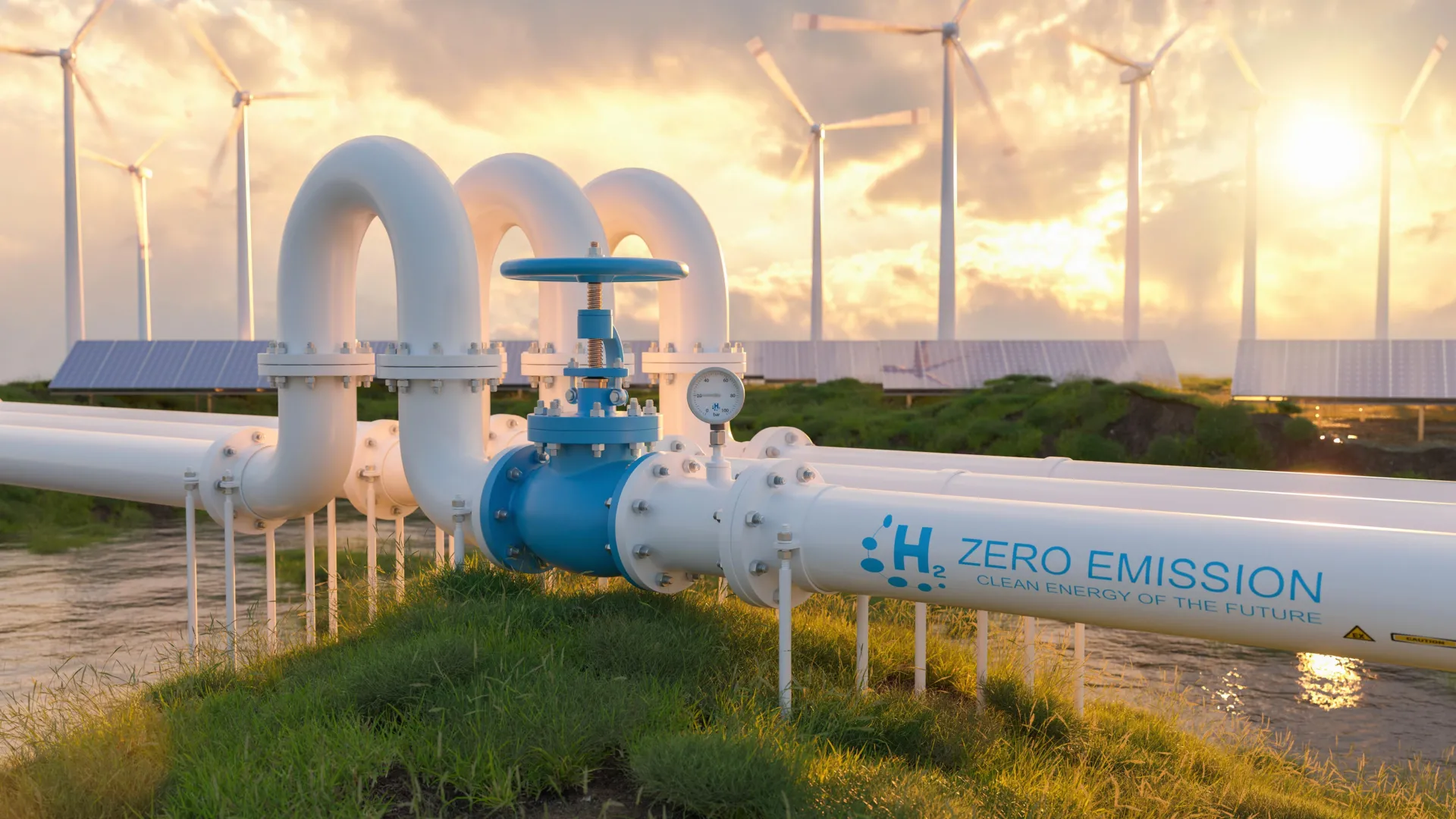
University of Birmingham researchers say their perovskite catalyst, built from cheap and non-toxic metals, could make hydrogen for less than today's 'green' and 'blue' methods by harnessing heat factories already throw away.
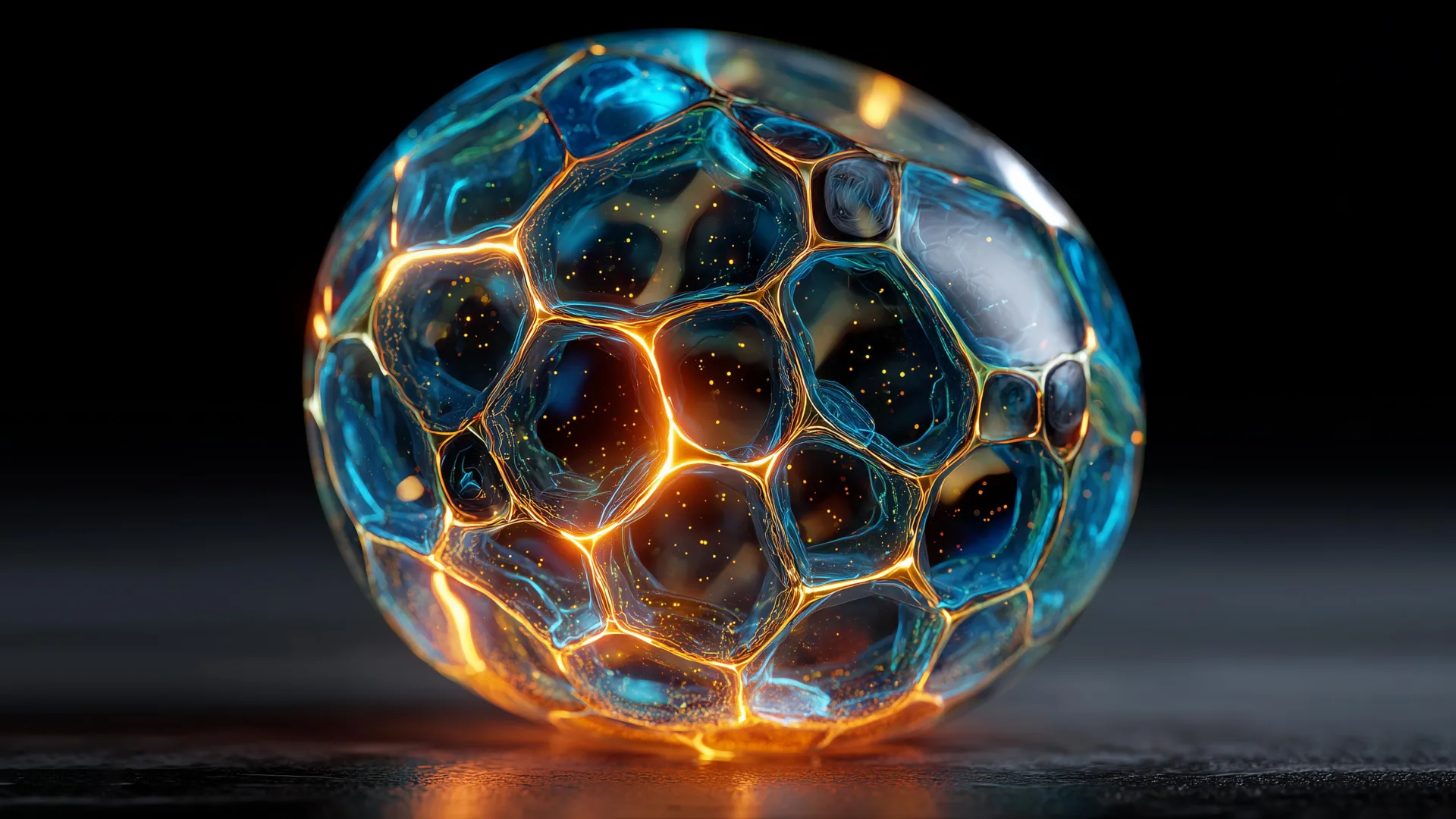
Researchers adapt centuries-old glassmaking techniques to create advanced materials for clean energy and gas storage applications.
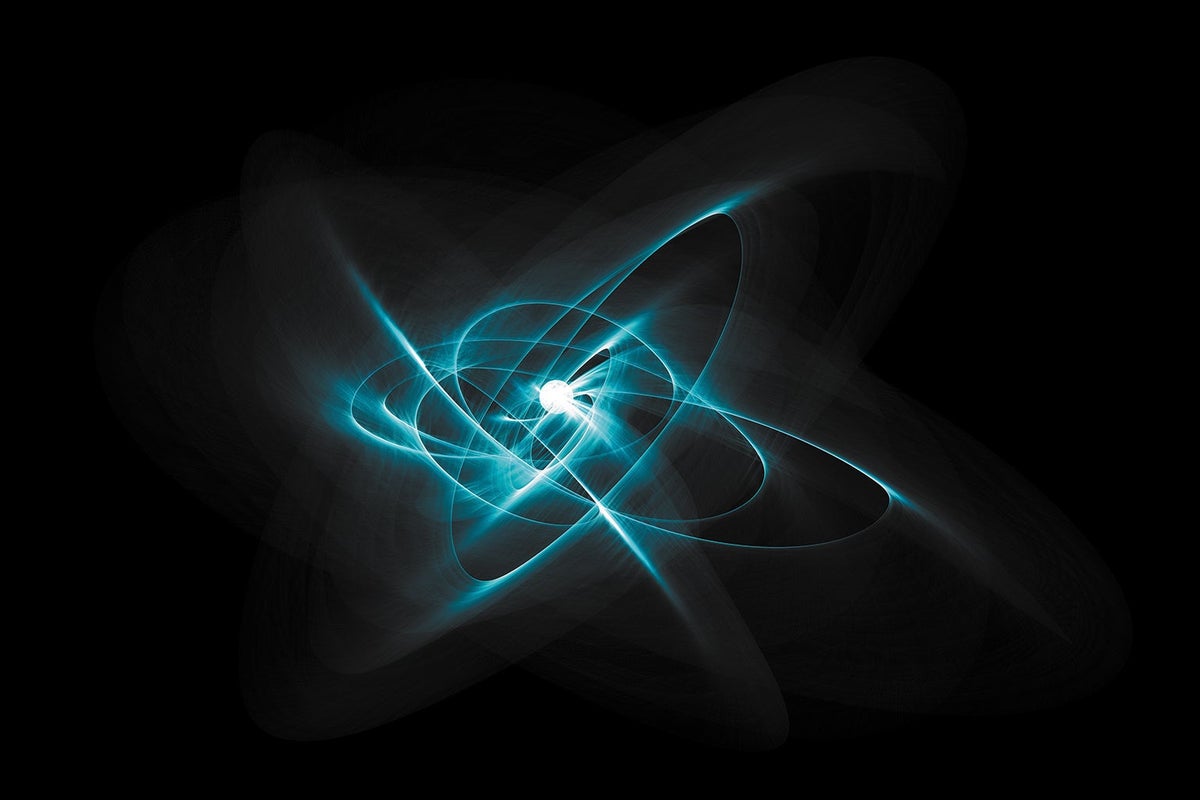
Max Planck Institute physicists used hydrogen spectroscopy to measure the proton's charge radius to 2.5 times greater precision than before, resolving the proton radius puzzle and setting the most demanding test of quantum electrodynamics ever conducted.