
Physics
Oxygen Plasma Works Better When You Take Air Away
Tokyo Metropolitan University mapped atomic oxygen with a laser and found production happening in the dark zones near the electrodes — and several times more of it reaching the target.
Topic
20 stories from Planck Standard. Latest: September 7, 2026.
Tokyo Metropolitan University mapped atomic oxygen with a laser and found production happening in the dark zones near the electrodes — and several times more of it reaching the target.
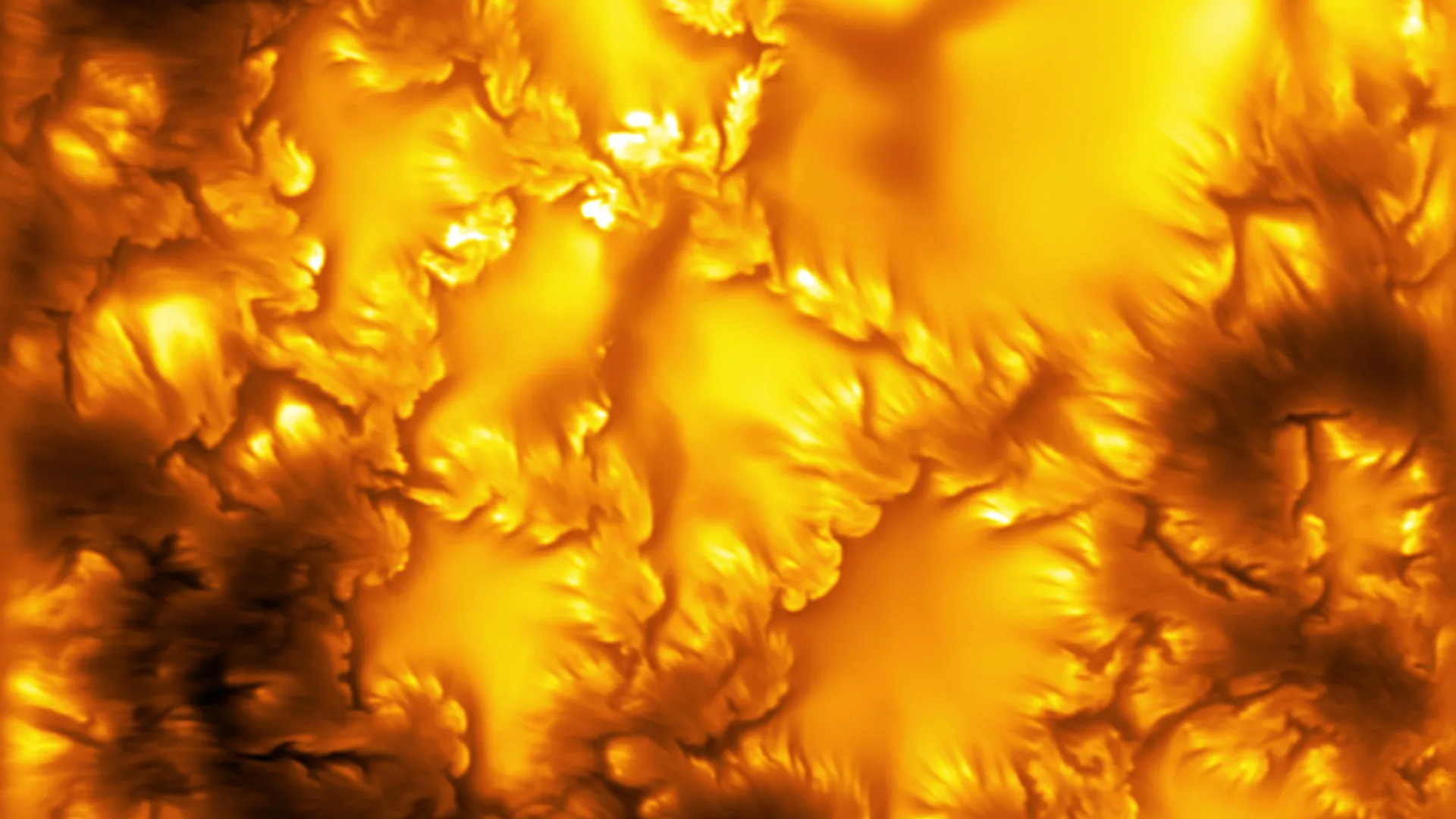
The vortices had never been resolved before. Researchers think they twist magnetic field lines tight enough to power nanoflares and move magnetic energy through the Sun's atmosphere faster than models allow.

The Inouye Solar Telescope in Hawaii imaged plasma vortices just 20 kilometers across, curling at the edges of granules like breaking ocean waves. They may be how the Sun twists its magnetic field.
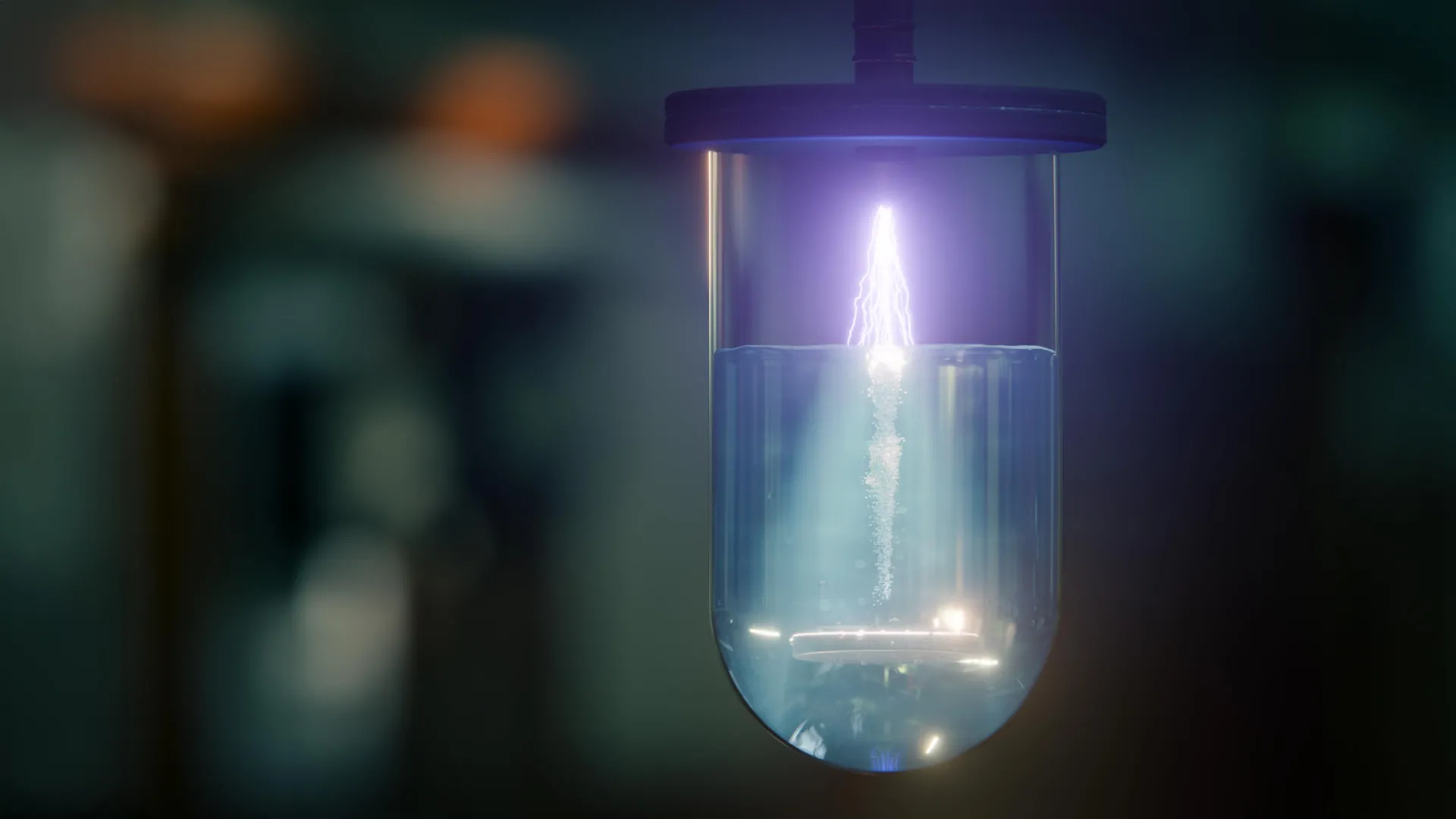
One method squeezes water through a constriction until imploding vapor bubbles hit thousands of degrees. The other floats PFAS to the surface on gas bubbles and burns them apart in plasma.
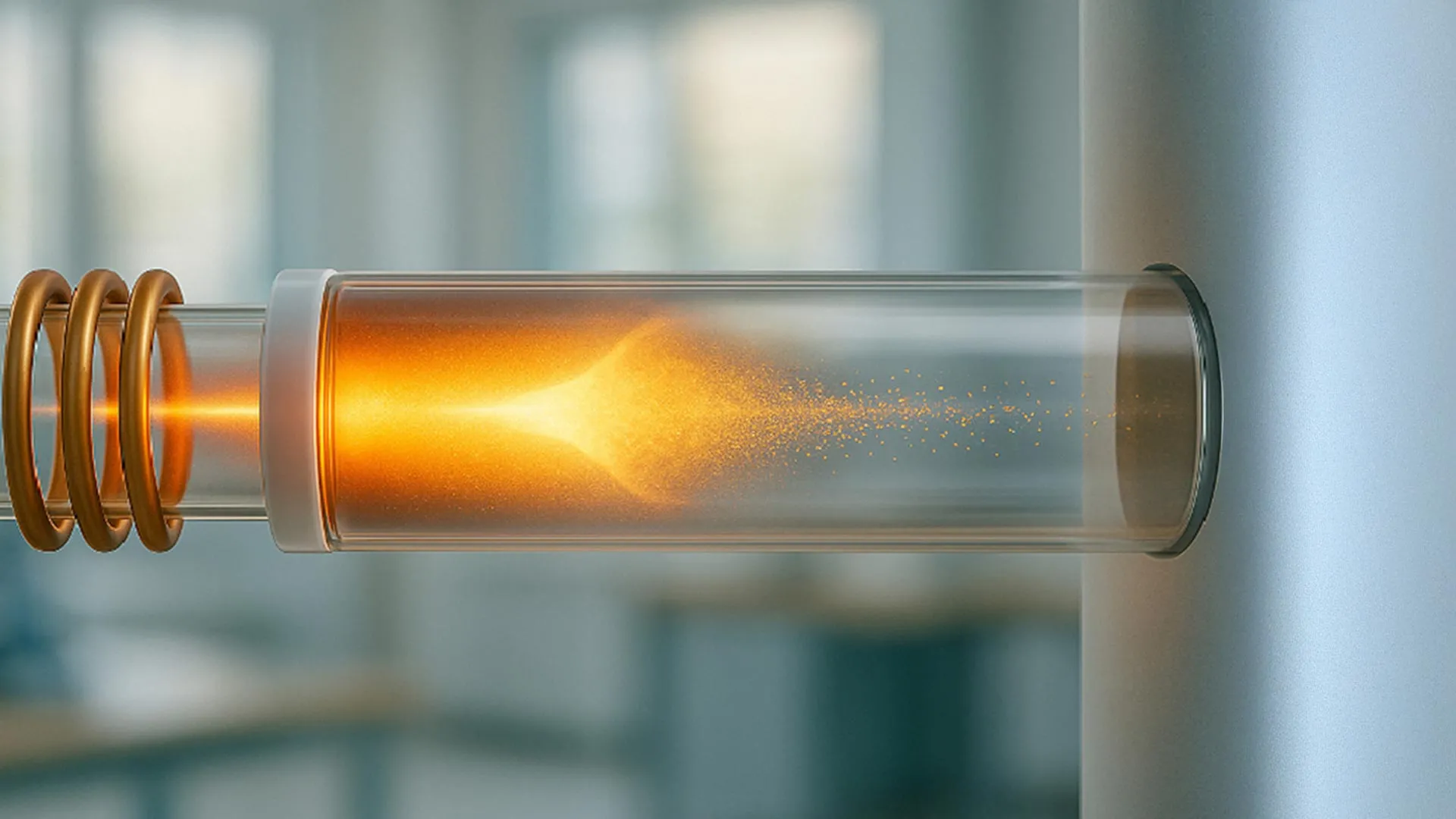
Lawrence Livermore researchers find that cooling pathways dramatically alter radioactive particle formation, especially for volatile elements like cesium.
Lawrence Livermore researchers recreate intense chaos inside nuclear explosions, revealing how cooling rate dramatically changes radioactive particle formation.
Lawrence Livermore researchers found that the cooling process dramatically changes radioactive particle formation, especially for volatile elements like cesium.
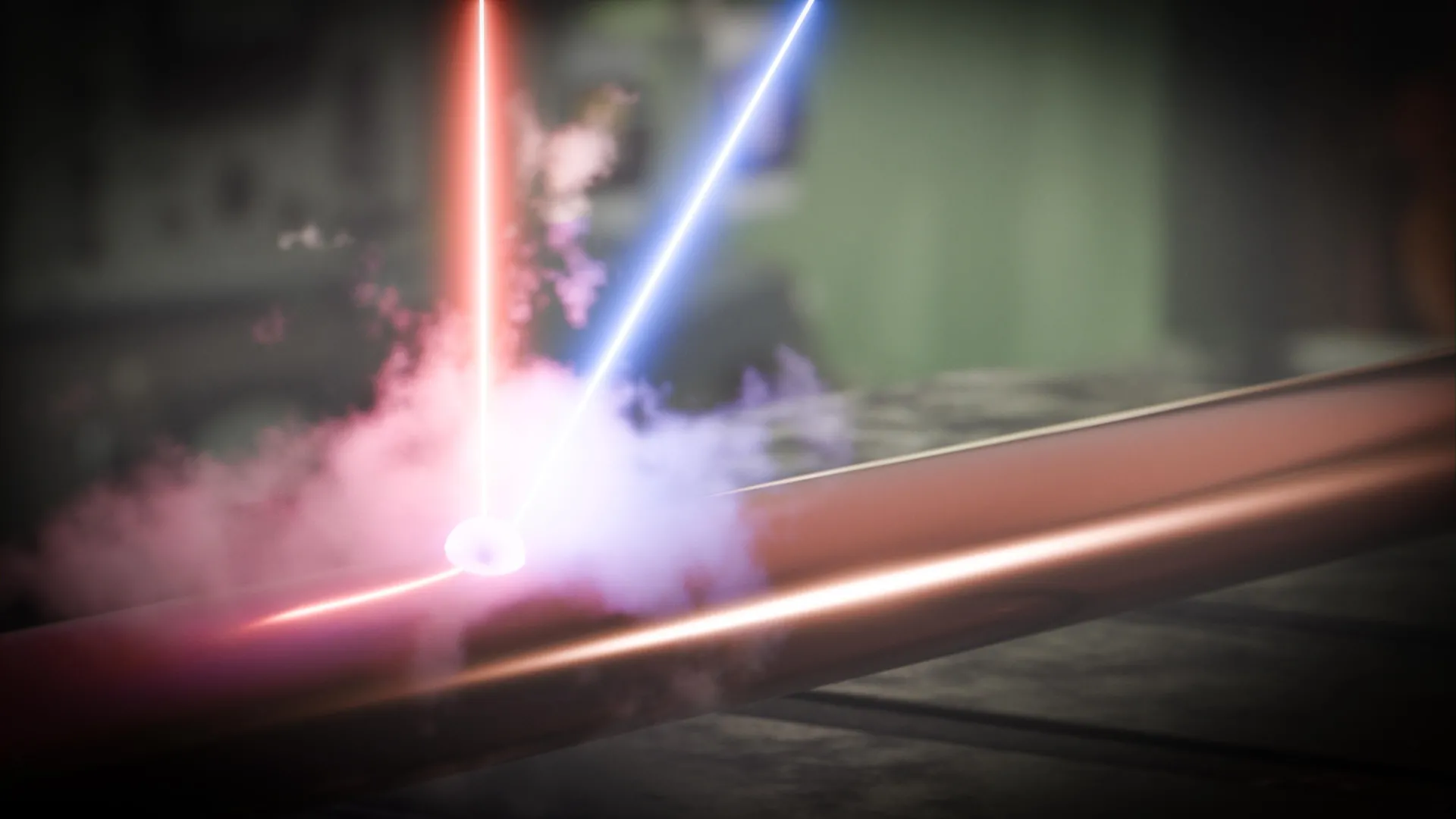
Scientists capture split-second ionization process as copper wire transforms into million-degree plasma, advancing laser fusion diagnostics.
Researchers capture split-second chaos as copper atoms lose and regain electrons, creating highly charged ions in extreme conditions.
Researchers capture the split-second chaos that unfolds when powerful laser flashes transform matter into superheated plasma, tracking electron behavior in unprecedented detail.
Breakthrough research captures copper atoms forming and dissolving highly charged ions in unprecedented detail, advancing laser fusion diagnostics.
Scientists capture unprecedented view of copper atoms losing and regaining electrons during extreme ionization process using cutting-edge laser technology.

Scientists have developed breakthrough imaging that reveals both brightness and structural changes in ultrafast phenomena, turning fleeting events into detailed 'movies' of plasma formation and electron movement.

Scientists using China's EAST tokamak achieved stable plasma at 1.65 times the density barrier that fusion researchers had treated as a hard ceiling for four decades.

The EAST tokamak achieved stable plasma at densities beyond the long-standing Greenwald limit, validating a new theory of plasma-wall self-organization and opening new routes to fusion ignition.

Breakthrough discovery explains why escaping plasma particles hit one side of fusion exhaust systems harder than the other, crucial for reactor design.
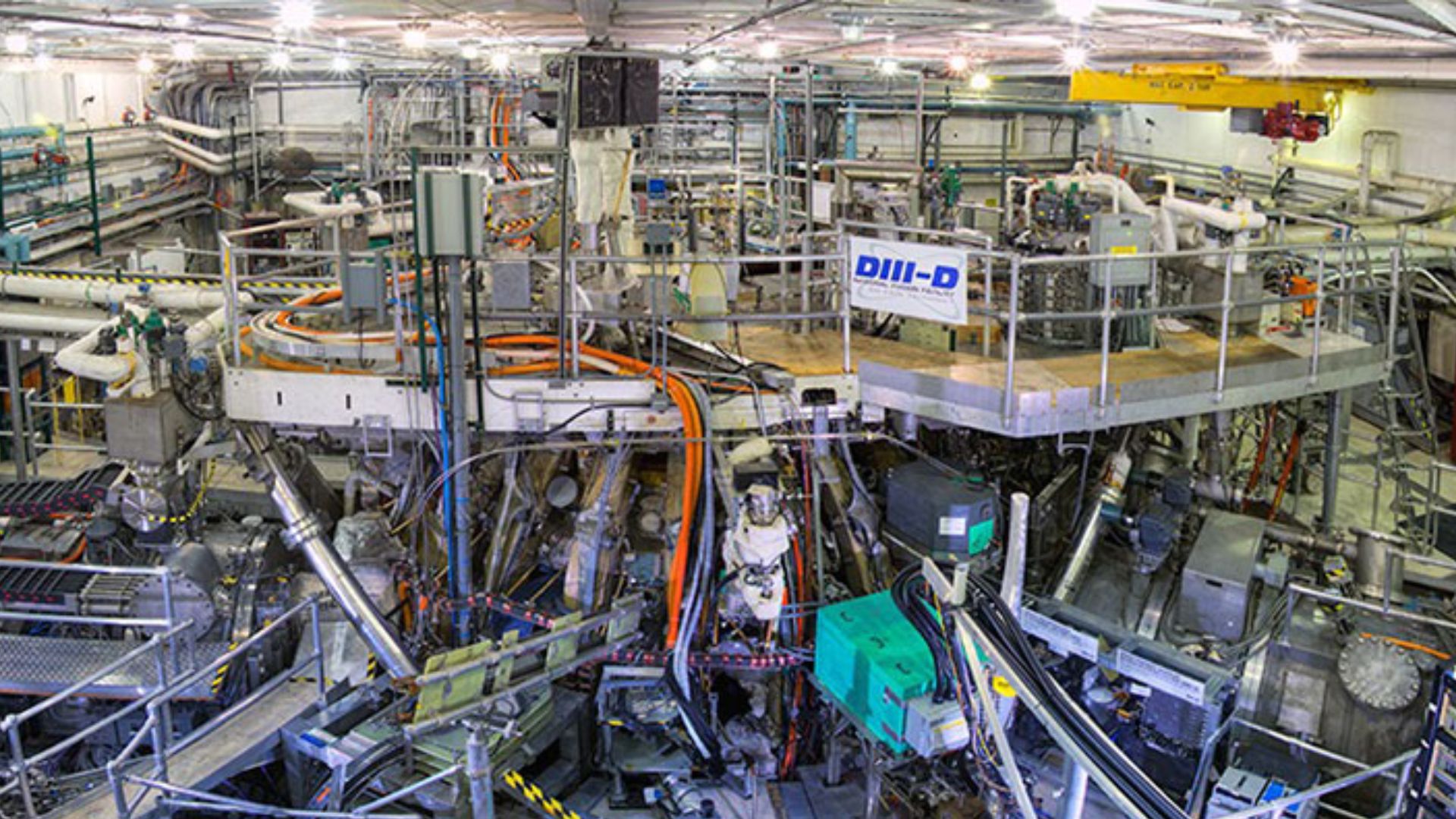
PPPL researchers found that the rotating core of tokamak plasma drives particle flows that previous models ignored, finally explaining why fusion exhaust slams one side of the reactor far harder than the other.

Discovery explains why particles hit fusion reactor walls unevenly, advancing practical reactor design by combining rotation with drift effects.

New research reveals that a cosmic tug-of-war between gravity and plasma creates interference patterns that form the striking radio wave stripes.

Scientists at China's EAST tokamak achieved stable plasma at 1.65 times above the Greenwald density limit — a ceiling considered impassable for decades — using a technique that could scale to future commercial fusion reactors.